





Turkey

Drumlin Farm Wildlife Sanctuary is a unique blend of working farm and wildlife haven.
Drumlin Farm Wildlife Sanctuary is a unique blend of working farm and wildlife haven. This Mass Audubon sanctuary offers an immersive experience where visitors can connect with both domestic farm animals and rehabilitated native Massachusetts wildlife, making it a distinctive educational destination. It stands as a testament to sustainable agriculture and environmental stewardship, inviting guests of all ages to explore the natural world and understand where their food comes from.
Wander through the bustling farmyard to encounter familiar faces like sheep, goats (especially charming baby lambs and kids in spring), pigs, cows, chickens, and even a friendly pony. Beyond the farm, the sanctuary showcases native New England wildlife in specialized exhibits such as Bird Hill, home to majestic owls, hawks, falcons, and vultures, and the New England Wildlife Explorations, where you can observe a red fox, white-tailed deer, and various smaller creatures like rabbits, skunks, Downy Woodpeckers, Painted Turtles, and Corn Snakes. Don't miss the Learning Garden, a vibrant space demonstrating sustainable crop cultivation, or the four miles of trails winding through fields, forests, and wetlands.
A visit to Drumlin Farm is an enriching journey, offering hands-on educational programs, seasonal hayrides, and the chance to witness farmers at work. Whether you're hiking to the summit of the drumlin for panoramic views of the surrounding landscape and distant mountains, or exploring the accessible pathways that make nature enjoyable for everyone, the sanctuary provides memorable encounters with both agriculture and conservation. It's a place where learning comes alive, fostering a deeper appreciation for the environment and the animals that inhabit it. Explore the grounds like a pro—download the Snappit app to instantly identify animals and plants.
Drumlin Farm Wildlife Sanctuary's history is deeply rooted in a legacy of conservation and education. The site itself is named for a prominent glacial drumlin, a teardrop-shaped hill formed by a receding glacier, which has shaped the land's unique topography. The sanctuary was formally established in 1956 (some sources indicate 1955) when Louise Ayer Hatheway, a local resident, bequeathed her estate to the Massachusetts Audubon Society. Hatheway had previously cultivated the land as a working farm and country retreat, and her bequest stipulated that Mass Audubon continue to maintain it as a nature sanctuary and educational center. She envisioned a place where the public, especially children, could learn about agriculture and their connection to the land. Gordon Hall, Hatheway's former residence, now serves as the headquarters for the Massachusetts Audubon Society, continuing her vision of combining a working farm with a vibrant wildlife sanctuary for environmental education.
Visit the animal barns and watch farmers perform chores, especially in the late afternoons.
* Explore the various wildlife exhibits and learn about native species.
* Walk the accessible Farmyard Loop Trail or the serene Ice Pond Trail.
* Participate in "Discover Drumlin" drop-in activities led by teacher-naturalists, offered on weekdays (mid-April to Oct) and weekends (year-round).
* Browse the farm stand for seasonal produce and farm products.
Spring: Witness the birth of baby animals, particularly lambs and goat kids, in March. "Discover Drumlin" activities begin mid-April.
Summer: Lush gardens are in full bloom, and hayrides are in full swing. Camp programs are active.
Fall: Enjoy vibrant fall foliage, continued hayrides, and seasonal harvest in the Learning Garden.
Winter: Trails are open, and some animals may be more visible against the snow. Educational programs continue year-round.
Drumlin Farm offers universally accessible features, including dedicated parking, restrooms, and several "All Persons Trails." The Ice Pond Trail and significant portions of the Farmyard Loop Trail have wide, packed surfaces suitable for wheelchairs and strollers, though some sections may be sloped. Adaptive items like hands-free binoculars and push wheelchairs are available for loan.
Engage with pigs, sheep (and their spring lambs), goats (and their spring kids), cows, chickens, and a pony.
Observe rehabilitated raptors like owls, hawks, falcons, and vultures.
Discover native Massachusetts animals including a red fox, white-tailed deer, and smaller creatures such as rabbits, skunks, Downy Woodpeckers, Painted Turtles, and Corn Snakes.
See sustainably grown crops and learn about composting and gardening.
Each card links to a full Explore page with photos, traits, and fun facts.













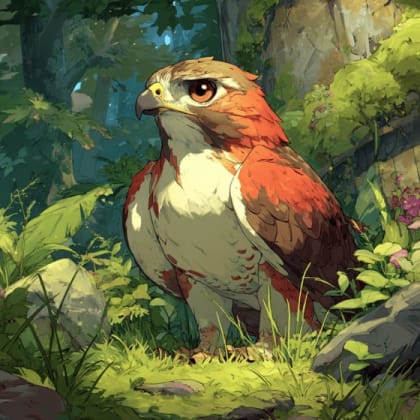





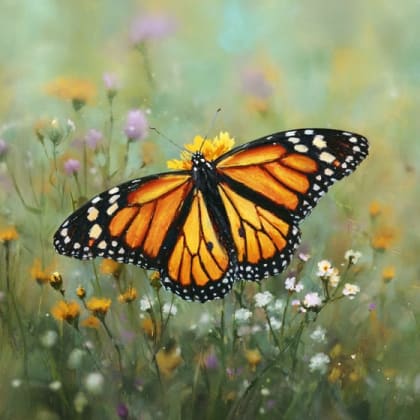





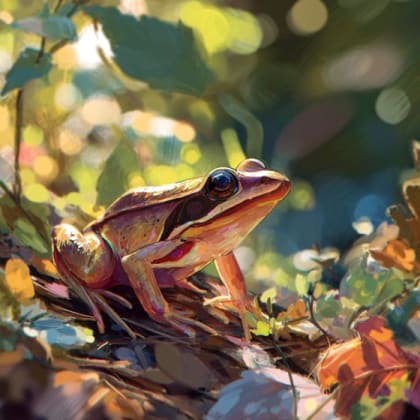


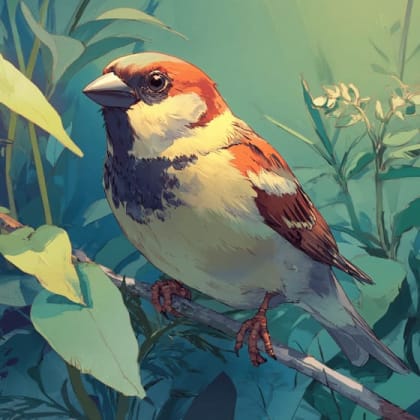
















Start with the big picture, then zoom in to explore individual wildlife observations around this place.
Wear comfortable footwear
Expect to do a fair amount of walking on various surfaces, including dirt paths and trails, so comfortable shoes are essential.
Consider an all-terrain stroller
If visiting with young children, an all-terrain or jogging stroller will navigate the inner dirt paths more easily than a standard stroller.
Pack a picnic
There are no food vendors on-site, but Drumlin Farm offers designated picnic areas, making it a great spot to enjoy a packed lunch amidst nature.
Check daily activity schedules
Upon arrival, check the schedule board near admissions for information on "Discover Drumlin" programs, farmer chore demonstrations, and hayride times.
Visit in spring for baby animals
To witness the adorable baby lambs and goat kids, plan your visit for the spring months, typically March through May.
Do not feed the animals
For the safety and health of the animals, visitors are kindly asked not to feed them; leave that to the trained farmers and staff.
Jun 18, 2026
Jun 17, 2026
Jun 17, 2026
Jun 16, 2026
Jun 16, 2026

Maryland, US
You might spot White-Tailed Deer and Eastern Gray Squirrel.
View guide →
.jpg)
District of Columbia, US
You might spot Eastern Gray Squirrel, Duck, and House Sparrow.
View guide →

Illinois, US
You might spot American Robin, Canada Goose, and House Sparrow.
View guide →

Virginia, US
You might spot Spotted Lanternfly and Northern Cardinal.
View guide →
Take the discovery with you
Identify the wildlife you spot, learn as you go, and keep a collection of the adventure.








