




Minotaur Beetle
Typhaeus typhoeus
The Minotaur Beetle is a strong little bug that loves to dig in the dirt! With its big horns, it looks like a tiny warrior. These beetles help recycle nutrients in the soil, making it healthy for plants.
Habitat: Grasslands
The Minotaur Beetle is a robust, black, and shiny beetle, easily recognized by the male's three prominent, forward-curving horns on its pronotum. These horns give it a bull-like appearance, distinguishing it from other dark scarab beetles.
Category
InsectsRarity
Common
Danger
1/5 · Very low
Snaps
Be the first to snap!
Male beetles are often seen pushing huge amounts of soil with their powerful horns!
Minotaur Beetles are tunnelers, digging deep shafts instead of rolling dung balls!
Most of a Minotaur Beetle's life is spent hidden underground!
Their bull-like horns are actually on their body, not their head!
Minotaur Beetle can dig extensive underground tunnels because of their strong, spade-like front legs that help them create homes and nurseries.
Minotaur Beetle has incredibly sensitive antennae that helps them sniff out fresh animal droppings from far away, locating their essential food source.
Minotaur Beetle can use its impressive horns to push and wrestle rival males, helping them defend their tunnels and win mates.
Minotaur Beetle buries animal dung underground which helps them provision food for their young and enriches the soil.
They eat fresh animal droppings, recycling nutrients back into the soil, keeping nature tidy!
Age differences: Larvae feed on dung provisioned by parents; adults forage for fresh dung.
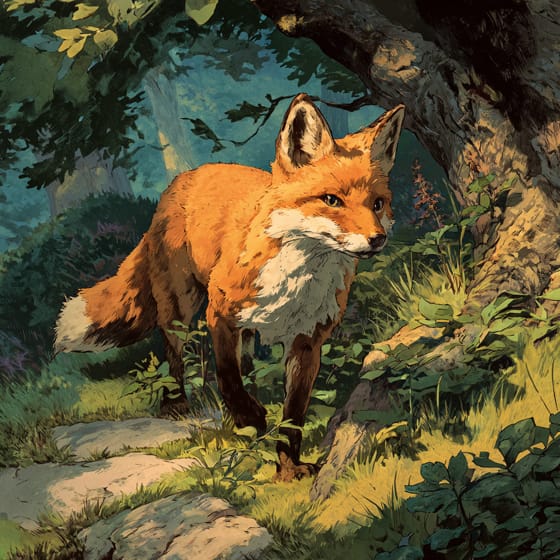
Vulpes vulpes
A source of protein if found above ground.
Corvus corax
Birds like ravens prey on adult beetles.
Bos taurus
Beetles use cow dung as their primary food.
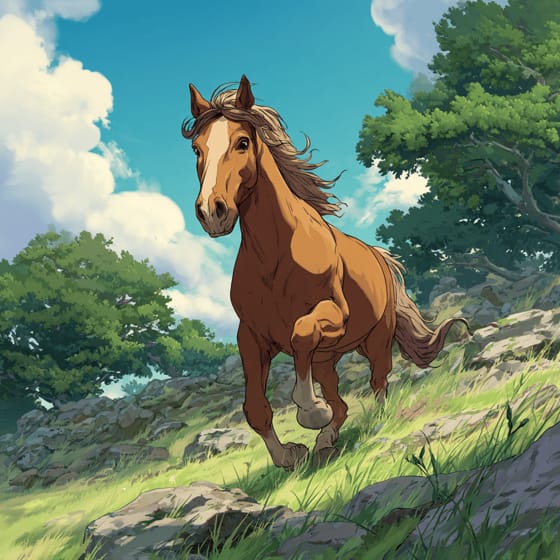
Equus caballus
Horse droppings are a vital food source.
Solitary animals live alone for most of their lives, only interacting with others for mating or parental care.
Characterized by having one or more hard, permanent, pointed projections on the head.
This trait identifies organisms whose diet includes both plant and animal matter.
Scavengers consume dead organic matter, helping to decompose carcasses and other waste in the ecosystem.

Burrowing animals dig tunnels and chambers in the ground, using these subterranean structures for shelter, hunting, or breeding.

Grassland habitats are terrestrial biomes dominated by grasses and herbaceous plants, supporting a variety of grazing animals.

Describes organisms that break down dead organic material, recycling nutrients back into the ecosystem.

Describes a species whose presence and role have a disproportionately large effect on its environment.
No aliases listed yet.
Danger
1/5 · Very low
Minotaur Beetles are harmless, but it's best to watch them from a distance.
The easiest way to identify Minotaur Beetle is to use the Snappit nature identifier app.
30-50 mm
15-25 mm
90-180 days
They eat fresh animal droppings, recycling nutrients back into the soil, keeping nature tidy!
Grasslands
Foraging
6
Zoom in to split clusters and explore where this object has been snapped.
Recent snaps will appear here as new observations are added.
Take the discovery with you
Snap it with Snappit to identify it, learn what makes it special, and add the discovery to your collection.








.jpg&width=800)



