





Mistletoe
Viscum album
Mistletoe is a unique plant that grows on tree branches. It has green leaves and white berries, making it a special sight during winter holidays.
Habitat: Trees
The Mistletoe is an evergreen plant with leathery, oblong leaves growing in dense, rounded clumps on tree branches. It has small, waxy, yellowish-green flowers and produces distinctive translucent white berries, making it easily spotted in winter.
Category
PlantsRarity
Common
Danger
2/5 · Low
Snaps
Be the first to snap!
Believe it or not, some butterflies actually lay their eggs ONLY on mistletoe!
In Norse myths, the god Baldr could only be harmed by a mistletoe arrow!
Mistletoe's sticky berries can glue themselves onto new tree branches!
Some mistletoe plants can live for over 100 years, becoming giant green balls!
Mistletoe can tap into host trees' water and nutrients, growing high in the canopy without needing soil roots.
Its berries contain sticky seeds that birds spread to new branches, helping new mistletoe plants latch on.
Mistletoe provides food and shelter for wildlife during colder months when other resources are scarce.

Turdus viscivorus
eats sticky berries, helps spread seeds
Populus tremula
grows on branches, stealing water and nutrients
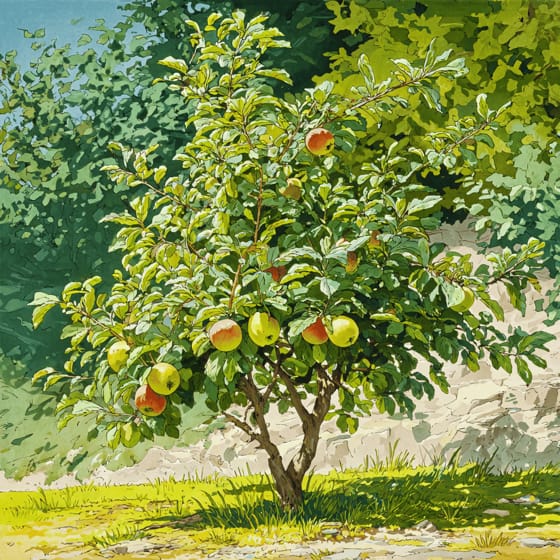
Malus domestica
common host in orchards, can reduce fruit yield
Apis mellifera
visits small flowers for nectar and pollen
Evergreen plants retain their foliage throughout the year, never shedding all their leaves at once.
Fruit-bearing plants produce fruits, which are the mature ovaries of flowering plants containing seeds.
Forest habitats are terrestrial environments dominated by dense tree cover, supporting a high diversity of plant and animal life.
This trait describes organisms that live on or in a host organism, obtaining nutrients at the host's expense.
Danger
2/5 · Low
Admire mistletoe from a distance as some species can be toxic if ingested.
The easiest way to identify Mistletoe is to use the Snappit nature identifier app.
30-100 cm
30-100 cm
0.1-0.3 cm
Late_winter-early_spring
No
Mild
Perennial
Zoom in to split clusters and explore where this object has been snapped.
Recent snaps will appear here as new observations are added.
Take the discovery with you
Snap it with Snappit to identify it, learn what makes it special, and add the discovery to your collection.








.jpg&width=800)



_001.jpg&width=800)



