





Mistle Thrush
Turdus viscivorus
The Mistle Thrush is a friendly bird that loves to sing. It has a lovely spotted belly and can often be seen in gardens and parks, especially during the winter when it searches for berries.
Habitat: Urban areas, Gardens
The Mistle Thrush is a large, pale thrush with a grey-brown back and creamy white underparts heavily patterned with bold, round, dark spots. It has a distinctive pale patch under its wings, visible in flight. Its upright posture and slightly longer tail distinguish it from other thrushes.
Category
BirdsRarity
Common
Danger
1/5 · Very low
Snaps
Be the first to snap!
A Mistle Thrush will defend a single berry tree, making sure no other birds eat its precious food.
Mistle Thrushes love mistletoe berries so much, their common name comes from this favorite treat.
They build sturdy cup-shaped nests using grass, moss, and even mud, often high up in tree forks.
This bird is sometimes called the 'Stormcock' because it sings its beautiful song even during gales!
Mistle Thrush can digest fruit pulp but not seeds, helping them spread plant seeds far and wide!
Mistle Thrush has a loud, fluting song that can be heard even in stormy weather, earning it the nickname 'stormcock'.
Mistle Thrush can aggressively defend a berry-laden tree from other birds, ensuring a steady food supply.
This thrush enjoys a mix of invertebrates like worms and insects, plus tasty berries and fruits.
Age differences: Juvenile Mistle Thrushes are fed a diet mainly of insects by their parents.
Viscum album
Eats its berries, helping to spread seeds.

Accipiter nisus
A common bird of prey that preys on adult thrushes.
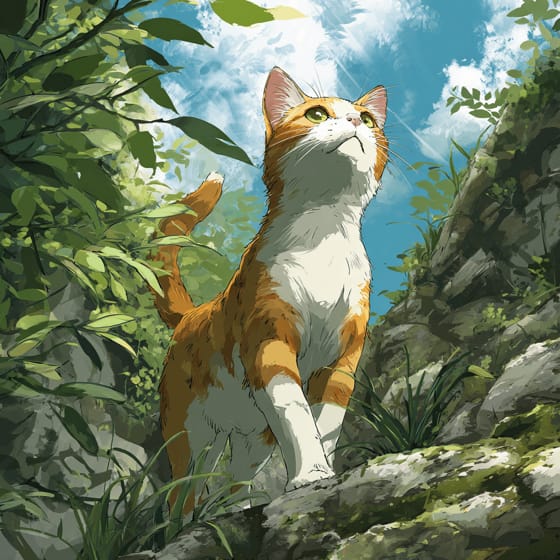
Felis catus
House cats can sometimes hunt young or adult thrushes.
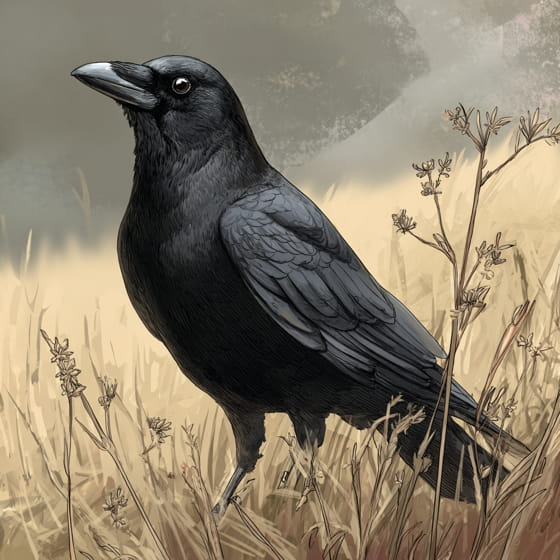
Corvus corone
Crows are known to prey on eggs and nestlings.
Feathered describes animals, primarily birds, possessing a covering of feathers.
Marked with spots or patches of a different color.
Social animals live in organized groups, cooperating for survival benefits such as foraging, defense, and raising offspring.
This trait identifies organisms whose diet includes both plant and animal matter.

Singing animals produce complex vocalizations, often for purposes of attracting mates, defending territory, or communicating within their species.

Diurnal animals are primarily active during daylight hours, typically resting or sleeping at night.

Migratory animals undertake seasonal movements from one region to another, typically in response to changes in climate or food availability.

This habitat trait indicates species that can coexist with humans in urban and suburban environments, utilizing man-made structures and green spaces.
No aliases listed yet.
Danger
1/5 · Very low
Enjoy watching birds from a distance and don't try to touch or chase them.
The easiest way to identify Mistle Thrush is to use the Snappit nature identifier app.
27-29 cm
42-48 cm
0.094-0.16 kg
2-8 years
50 km/h
This thrush enjoys a mix of invertebrates like worms and insects, plus tasty berries and fruits.
Urban areas, Gardens
Zoom in to split clusters and explore where this object has been snapped.
Recent snaps will appear here as new observations are added.
Take the discovery with you
Snap it with Snappit to identify it, learn what makes it special, and add the discovery to your collection.




.jpg&width=800)








