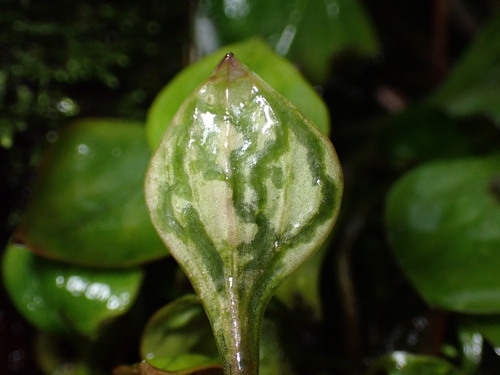





Monkeyflower Non-biting Midge
Metriocnemus erythranthei
The Monkeyflower Non-biting Midge is a tiny insect that loves to hang around water. They are so small that you might not even notice them, but they play an important role in nature by helping plants grow.
Habitat: Wetlands
The Monkeyflower Non-biting Midge is a tiny, delicate insect, typically pale brown or grayish with clear wings. It has slender antennae, which are feathery in males, and does not possess the long, piercing proboscis seen in mosquitoes.
Category
InsectsRarity
Common
Danger
1/5 · Very low
Snaps
Be the first to snap!
Adult Monkeyflower Midges live only a few days, focused on finding a mate and laying eggs.
Each female midge can lay hundreds of eggs, ensuring new generations of flower-dwellers.
These tiny midges spend their caterpillar-like youth entirely hidden inside a monkeyflower bloom!
They look like mosquitoes but don't bite; their mouthparts are too soft to pierce skin!
Monkeyflower Non-biting Midge can live its entire larval life inside a monkeyflower because its tiny body is adapted to feed on the plant.
Monkeyflower Non-biting Midge can sip nectar from flowers using delicate mouthparts that help them get energy without biting.
Monkeyflower Non-biting Midge helps pollinate flowers as it moves between them, transferring pollen to aid plant reproduction.
Adults sip nectar from flowers; larvae eat plant tissue from inside monkeyflowers.
Age differences: Larvae eat plant tissue, while adults consume nectar.
Erythranthe guttata
Larvae develop and feed exclusively within its blossoms.
Erythranthe guttata
Adult midges help transfer pollen between flowers.
Misumena vatia
These spiders ambush adult midges resting on flower petals.

Melospiza melodia
Sparrows forage for insects like midges among vegetation.
Social animals live in organized groups, cooperating for survival benefits such as foraging, defense, and raising offspring.
Filter feeders obtain nutrients by straining suspended food particles and small organisms from water.
This trait characterizes organisms whose diet consists entirely or primarily of plant material.
This habitat trait identifies species found in wetlands, which are areas of land saturated with water, either permanently or seasonally, including marshes, swamps, and bogs.
Diurnal animals are primarily active during daylight hours, typically resting or sleeping at night.
Freshwater habitats include non-saline aquatic environments such as rivers, lakes, ponds, and wetlands, vital for numerous species.
Describes a species whose presence and role have a disproportionately large effect on its environment.
Pertaining to species that are significantly smaller than typical or average for their kind.
Describes organisms that transfer pollen, enabling the fertilization and reproduction of plants.
No aliases listed yet.
Danger
1/5 · Very low
These insects are safe and won't hurt you, so you can enjoy watching them!
Look for six legs, antennae, three body sections and the shape of the wings. Beetles have hardened front wings; flies have just one working pair. Tiny insects may need a close view before their group is clear. Insect Identifier: upload a photo and compare the visible details.
2-8 mm
1-5 mm
1-7 days
Adults sip nectar from flowers; larvae eat plant tissue from inside monkeyflowers.
Wetlands
Foraging
6
Zoom in to split clusters and explore where this object has been snapped.
Recent snaps will appear here as new observations are added.
Take the discovery with you
Snap it with Snappit to identify it, learn what makes it special, and add the discovery to your collection.