





Moor Frog
Rana arvalis
The Moor Frog is a small, lively frog that loves to hop around in wetlands and ponds. They have beautiful blue and green colors, especially during spring when they are ready to mate!
Habitat: Wetlands
The Moor Frog is a small amphibian, typically brown or grey, with a distinct dark 'mask' behind its eyes. Males spectacularly turn vivid blue during their spring breeding season, making them easy to spot.
Category
AmphibiansRarity
Common
Danger
1/5 · Very low
Snaps
Be the first to snap!
Wow! During spring, male Moor Frogs transform into a stunning blue color just to impress the females!
Wow! Moor Frogs lay their eggs in big gelatinous clumps called 'frogspawn,' often containing thousands!
Wow! These amazing frogs don't drink water; they absorb it right through their permeable skin!
Wow! They don't have ears like us, but can hear sounds using a membrane behind their eyes!
Moor Frogs can temporarily turn bright blue during breeding season, which helps males attract mates.
Moor Frogs have powerful hind legs that help them jump many times their body length to escape danger.
Moor Frogs can hibernate buried in mud at the bottom of ponds, surviving cold winters safely.
Moor frogs love to snap up small bugs and worms with their sticky tongues for a tasty meal!
Age differences: Tadpoles eat tiny plants and decaying matter, while adult frogs are carnivores.
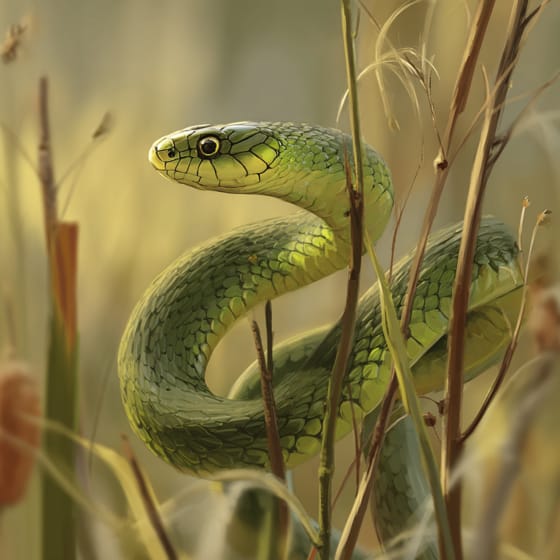
Natrix natrix
A common predator that hunts adult Moor Frogs.

Ciconia ciconia
Large birds that prey on frogs in wetlands.
Formica rufa
A common insect often caught by Moor Frogs.
Araneus diadematus
Spiders are a regular part of a Moor Frog's diet.
Social animals live in organized groups, cooperating for survival benefits such as foraging, defense, and raising offspring.
Camouflaged describes organisms that possess coloring or patterns that allow them to blend into their environment.
Colorful describes organisms or objects displaying a wide range of bright and distinct colors.
This trait identifies organisms whose diet primarily consists of insects and other small invertebrates.

This habitat trait identifies species found in wetlands, which are areas of land saturated with water, either permanently or seasonally, including marshes, swamps, and bogs.

Diurnal animals are primarily active during daylight hours, typically resting or sleeping at night.

This trait identifies organisms that exhibit exceptional swiftness in movement for hunting, escape, or travel.

Describes organisms that transfer pollen, enabling the fertilization and reproduction of plants.
No aliases listed yet.
Danger
1/5 · Very low
Always watch where you step near ponds, and don't touch frogs unless an adult says it's okay.
The easiest way to identify Moor Frog is to use the Snappit nature identifier app.
4-7 cm
0.005-0.015 kg
5-10 years
8 km/h
Moor frogs love to snap up small bugs and worms with their sticky tongues for a tasty meal!
Wetlands
Ambush
Zoom in to split clusters and explore where this object has been snapped.
Recent snaps will appear here as new observations are added.
Take the discovery with you
Snap it with Snappit to identify it, learn what makes it special, and add the discovery to your collection.







.JPG&width=800)



.jpg&width=800)

