





White Stork
Ciconia ciconia
The White Stork is a tall bird with long legs and a long beak. They are known for their beautiful white feathers and black wing tips. These birds often build big nests on rooftops and trees.
Habitat: Wetlands
The White Stork is a large bird with pristine white plumage, starkly contrasted by glossy black flight feathers visible when its wings are spread. It has long, slender red legs and a long, pointed red beak, giving it an elegant and unmistakable appearance.
Category
BirdsRarity
Common
Danger
1/5 · Very low
Snaps
2
A single White Stork can eat hundreds of grasshoppers and other pests in one day!
Baby storks are covered in soft white down, but their beaks and legs are dark, turning red as they grow.
These birds follow farmers' plows to snatch up tasty insects and rodents revealed in the soil.
White Storks build huge nests that can weigh over 500 kg and are reused for generations!
White Storks can soar on warm air currents, or 'thermals', because of their broad wings, saving energy during long migrations.
White Storks can clatter their beaks together rapidly because of strong neck muscles, using this sound for communication.
White Storks can fly thousands of kilometers between continents because of their efficient soaring flight and strong endurance.
A keen hunter, the White Stork eats a variety of small animals from insects to small mammals.
Rana temporaria
A favorite prey item in wetlands.
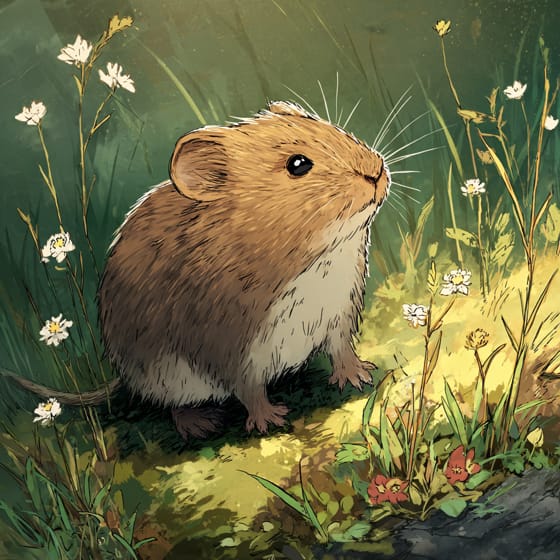
Microtus arvalis
Hunted in grasslands and farmland.
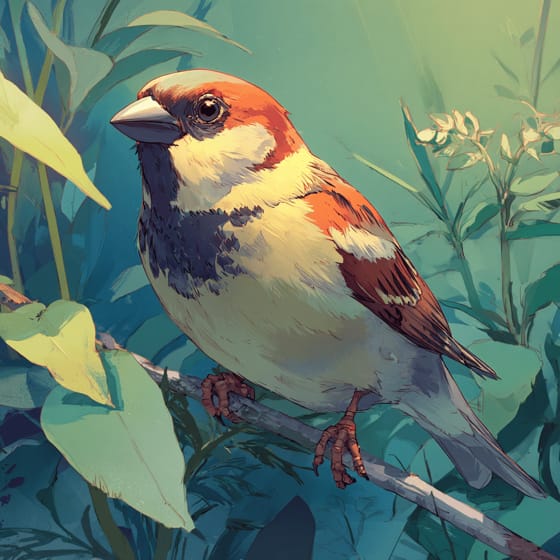
Passer domesticus
Often nests within the large stick nests of White Storks.

Haliaeetus albicilla
Predates on eggs and chicks in some areas.
Feathered describes animals, primarily birds, possessing a covering of feathers.
Social animals live in organized groups, cooperating for survival benefits such as foraging, defense, and raising offspring.
This trait identifies organisms whose diet primarily consists of insects and other small invertebrates.
This habitat trait identifies species found in wetlands, which are areas of land saturated with water, either permanently or seasonally, including marshes, swamps, and bogs.

This trait identifies organisms whose diet consists entirely or primarily of animal tissue.

Describes a species whose presence and role have a disproportionately large effect on its environment.

Aquatic habitats encompass environments where organisms live predominantly in water, including oceans, rivers, lakes, and wetlands.

Migratory animals undertake seasonal movements from one region to another, typically in response to changes in climate or food availability.
Danger
1/5 · Very low
Always watch storks from a distance and never disturb their nests.
The easiest way to identify White Stork is to use the Snappit nature identifier app.
100-115 cm
155-215 cm
2.3-4.5 kg
20-39 years
70 km/h
A keen hunter, the White Stork eats a variety of small animals from insects to small mammals.
Wetlands
Zoom in to split clusters and explore where this object has been snapped.
Take the discovery with you
Snap it with Snappit to identify it, learn what makes it special, and add the discovery to your collection.





.jpg&width=800)








