_and_beneficial_bacteria_on_plant_performance_and_soil_fertility.webp&width=800)
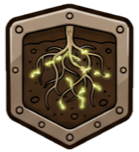




Mycorrhizal Fungi
Paraglomerales
Mycorrhizal fungi are special mushrooms that live underground and help plants grow big and strong. They form partnerships with trees and share important nutrients through their roots.
Habitat: Forests
The Mycorrhizal Fungi is not typically seen directly, as it forms a microscopic network of thread-like structures called hyphae, often white or translucent, that intricately associate with plant roots underground. These delicate threads spread far and wide, invisible to the naked eye.
Category
FungiRarity
Common
Danger
2/5 · Low
Snaps
Be the first to snap!
Ancient fossil plants from 400 million years ago show evidence of these fungi!
Most plants on Earth, about 90%, rely on these fungi to grow big!
Some scientists believe these fungal networks are Earth's "wood wide web"!
These tiny fungi help forests absorb more carbon dioxide from the air!
Mycorrhizal Fungi can extend hyphae far into soil, acting like super-efficient roots to gather water and scarce nutrients for plants.
Mycorrhizal Fungi has ability to shield plants from diseases and toxins, boosting their resilience against environmental stresses.
Mycorrhizal Fungi can connect different plants underground, allowing them to share resources and signal dangers to each other.
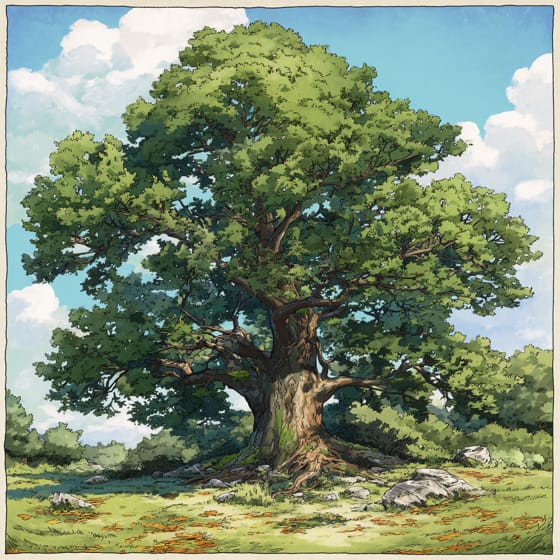
Quercus robur
provides sugars, receives nutrients and water
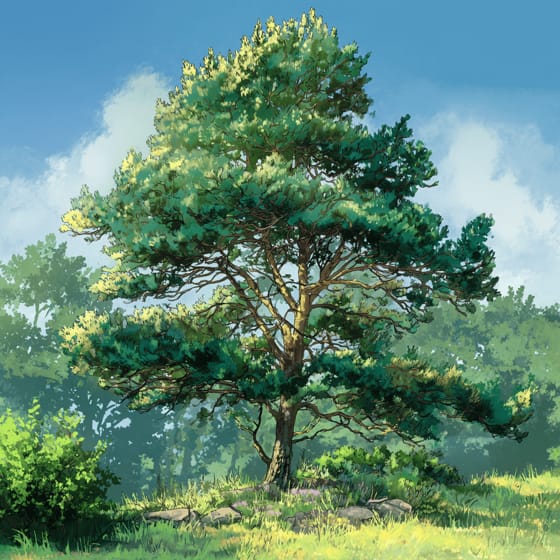
Pinus sylvestris
provides carbon, receives nitrogen and phosphorus
Tilia cordata
exchanges carbon for essential minerals

Solanum lycopersicum
improves nutrient uptake, especially phosphorus
This trait describes a symbiotic relationship between a fungus and the roots of a plant, benefiting both organisms.
Spore-producing organisms reproduce by releasing small, often single-celled, reproductive units called spores.
Describes a relationship between two different species where they live in close association, often benefiting one or both.
Forest habitats are terrestrial environments dominated by dense tree cover, supporting a high diversity of plant and animal life.
Danger
2/5 · Low
Mycorrhizal fungi are safe to observe but should not be touched or eaten as some wild mushrooms can be dangerous.
The easiest way to identify Mycorrhizal Fungi is to use the Snappit nature identifier app.
Forests
other
Year-round
Zoom in to split clusters and explore where this object has been snapped.
Recent snaps will appear here as new observations are added.
Take the discovery with you
Snap it with Snappit to identify it, learn what makes it special, and add the discovery to your collection.