





Tomato
Solanum lycopersicum
Tomatoes are juicy fruits that come in different colors like red, yellow, and orange. They are tasty and can be eaten raw in salads or cooked in sauces and soups.
Habitat: Gardens, Farms
The Tomato is a herbaceous plant with hairy green stems and deeply lobed leaves. It produces small yellow flowers that develop into plump, juicy fruits, typically red, but also yellow, orange, or purple.
Category
PlantsRarity
Common
Danger
1/5 · Very low
Snaps
1
Some tomatoes can be green when ripe, not just red; their color depends on the variety.
The world's heaviest tomato weighed over 3.5 kilograms – that's heavier than a brick!
Tomatoes have even been grown in space by astronauts, proving their versatility!
Tomatoes were once feared by some Europeans, who thought they were poisonous!
Tomato plants can fertilize themselves, ensuring fruit production even without external help from pollinators.
Indeterminate tomato varieties can keep growing taller and producing new fruits until frost or disease stops them.
Tiny hairs (trichomes) on stems and leaves can deter small pests and reduce water loss in hot weather.

Homo sapiens
Main consumer of the fruit
Manduca sexta
Larvae eat leaves and fruit
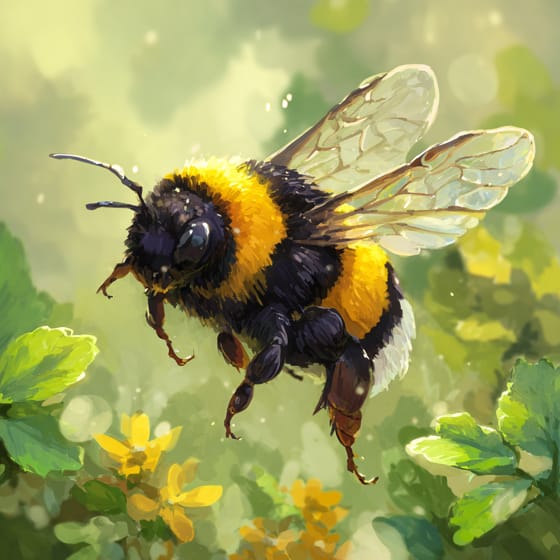
Bombus impatiens
Buzz-pollinates flowers for fruit set
Globodera pallida
Nematode feeds on plant roots
Deciduous plants periodically shed all their leaves, typically during autumn or dry seasons.
Summer blooming plants produce their flowers during the summer season, often providing vibrant color when many other plants have finished.
Fruit-bearing plants produce fruits, which are the mature ovaries of flowering plants containing seeds.
This human use trait describes species cultivated or domesticated by humans for agricultural purposes, including crops and livestock.

Edible plants are those parts of a plant that are considered safe for human consumption.

This trait signifies organisms belonging to a very old evolutionary group with ancestors dating back millions of years.
Danger
1/5 · Very low
Always wash tomatoes before eating to remove dirt and pesticides.
The easiest way to identify Tomato is to use the Snappit nature identifier app.
30-200 cm
30-100 cm
1-3 cm
Spring to fall
Yes
Mild
Annual
Zoom in to split clusters and explore where this object has been snapped.
Take the discovery with you
Snap it with Snappit to identify it, learn what makes it special, and add the discovery to your collection.









.jpg&width=800)



_001.jpg&width=800)



