

Nautilus
Nautilus
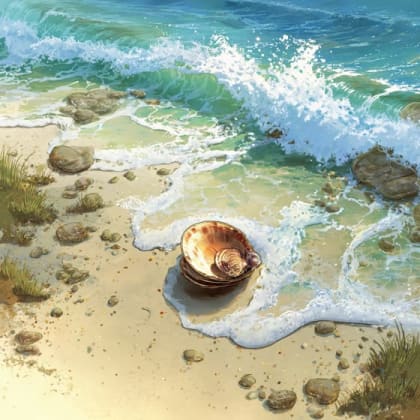
The Nautilus is a fascinating sea creature that lives in a beautiful spiral shell. It uses jet propulsion to move through the ocean and has been around for millions of years.
Habitat: Deep Sea
The Nautilus has a striking spiral shell, often white with orange or brown zebra-like stripes. Its head features many small, retractable tentacles and two simple, pinhole eyes, distinct from other shelled cephalopods.
Category
AnimalRarity
Rare
Danger
2/5 · Low
Snaps
Be the first to snap!
A nautilus has up to 90 tentacles, but none have suction cups like an octopus!
Its shell is so strong it can withstand crushing pressures from the deep ocean!
Nautilus eyes are simple pinholes, like an ancient camera, not complex lenses!
They don't make ink like squids or octopuses; their shell is their only defense!
Nautilus can fill internal shell chambers with gas to float or water to sink, controlling its depth perfectly.
Nautilus can squirt water from a funnel for quick bursts of jet propulsion, helping it escape danger or move.
Nautilus has over 90 tentacles with chemosensory abilities to detect food, even in the dark ocean depths.
Nautilus has a strong, calcified shell that provides excellent protection from most predators in its habitat.
Nautiluses are scavengers and predators of small ocean creatures, dining on what they find.
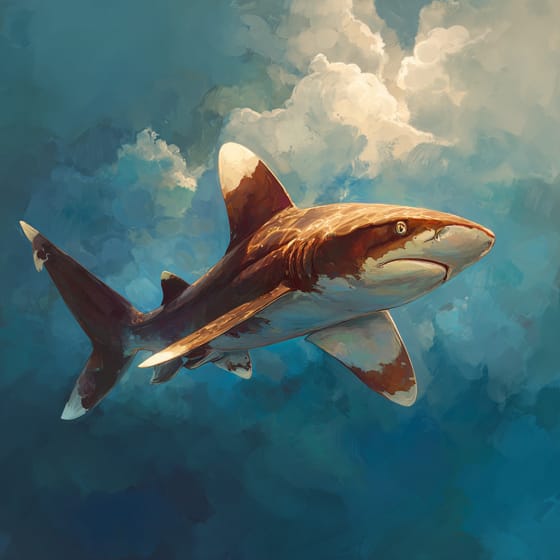
Carcharhinus longimanus
A known predator of deep-sea cephalopods.
Octopus vulgaris
Octopuses sometimes prey on nautiluses.
Portunus pelagicus
Nautilus scavenges on dead or weak crabs.
Litopenaeus vannamei
A common food source for the nautilus.
Wildlife encompasses all undomesticated animal and plant life existing in their natural habitats.
This trait signifies organisms belonging to a very old evolutionary group with ancestors dating back millions of years.
Deep sea habitats are characterized by extreme pressure, darkness, and cold temperatures, supporting unique life forms below the sunlit zone.
This trait characterizes organisms with an exceptionally long lifespan compared to others of their kind.

This trait identifies organisms whose diet consists entirely or primarily of animal tissue.
Regenerative organisms possess the ability to regrow lost or damaged body parts, tissues, or organs.

Marine habitats encompass all saltwater environments of the Earth's oceans, supporting an immense diversity of aquatic life.

Nocturnal animals are primarily active during the nighttime hours, typically resting or sleeping during the day.
Danger
2/5 · Low
If you ever see a Nautilus, admire it from a distance as they are delicate creatures.
The easiest way to identify Nautilus is to use the Snappit nature identifier app.
20 cm
1.5 kg
15 years
Nautiluses are scavengers and predators of small ocean creatures, dining on what they find.
Deep Sea
Scavenging
100-700
Zoom in to split clusters and explore where this object has been snapped.
Recent snaps will appear here as new observations are added.
Take the discovery with you
Snap it with Snappit to identify it, learn what makes it special, and add the discovery to your collection.