


Coquina
Gymnoscelis coquina
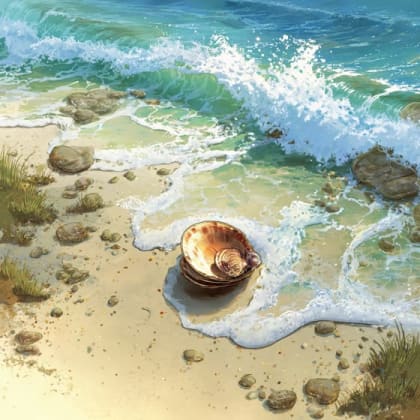
Coquinas are small, colorful shells found on sandy beaches. They come in different patterns and sizes, making them fun to collect and explore.
Habitat: Coastal areas
The Coquina moth is a small, delicate insect with pale yellowish-brown wings, often marked with faint wavy lines or speckles. Its wings fold flat against its body when at rest, blending perfectly with dried leaves or bark. It has slender antennae that stand out against its camouflaged body.
Category
AnimalRarity
Common
Danger
1/5 · Very low
Snaps
3
Its caterpillars are picky eaters, only munching on leaves from a specific tree species.
Many moths have "ears" on their bellies to detect the high-pitched calls of hunting bats.
Moths don't have mouths like we do; adults might sip nectar with a straw-like proboscis!
This tiny moth is named after a type of seashell, even though it lives on land!
Coquina moths can perfectly blend into their surroundings because of their camouflaged wings that mimic dried leaves or bark.
Coquina moths can fly swiftly in the dark, using their sensitive antennae to find mates and navigate the night sky.
Coquina caterpillars can munch through tough leaves, thanks to strong mandibles that help them grow big and strong.
Coquina caterpillars munch on leaves, while adult moths might sip sweet flower nectar.
Age differences: Larvae eat leaves to grow, while adults primarily seek mates and may sip nectar for energy.
Euclea divinorum
Its caterpillars feed on the leaves.
Myotis capaccinii
Nocturnal bats hunt flying moths.
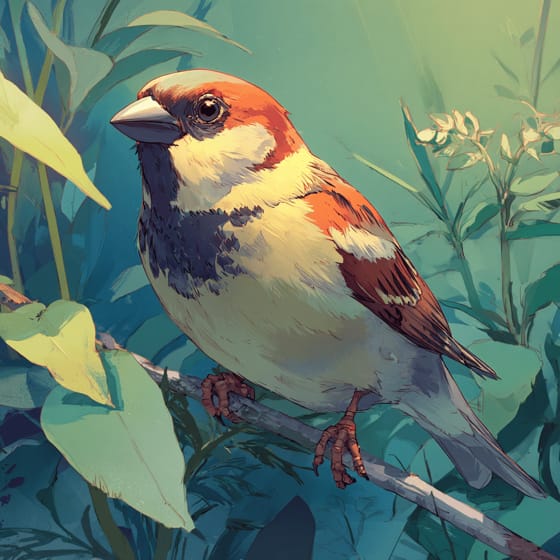
Passer domesticus
Birds might snatch resting moths.
Wildlife encompasses all undomesticated animal and plant life existing in their natural habitats.
Sedimentary rocks are formed from the accumulation and compaction of sediments, organic matter, or chemical precipitates.
Burrowing animals dig tunnels and chambers in the ground, using these subterranean structures for shelter, hunting, or breeding.
Camouflaged describes organisms that possess coloring or patterns that allow them to blend into their environment.

Colorful describes organisms or objects displaying a wide range of bright and distinct colors.

Filter feeders obtain nutrients by straining suspended food particles and small organisms from water.

Coastal habitats are dynamic environments located along the interface between land and sea, influenced by tides, waves, and saltwater.
Danger
1/5 · Very low
Enjoy collecting coquinas but remember to put them back gently where you found them.
The easiest way to identify Coquina is to use the Snappit nature identifier app.
Coquina caterpillars munch on leaves, while adult moths might sip sweet flower nectar.
Coastal areas
Foraging
Zoom in to split clusters and explore where this object has been snapped.

US
You might spot Firewheel, Domestic Horse, and Atlantic Horseshoe Crab.
View guide →

South Carolina, US
You might spot Gulf Fritillary, Poey's Furrow Bee, and Anole.
View guide →

Florida, US
You might spot Gorilla and Reticulated Giraffe.
View guide →

Florida, US
You might spot Willet, Lightning Whelk, and Ruddy Turnstone.
View guide →
Take the discovery with you
Snap it with Snappit to identify it, learn what makes it special, and add the discovery to your collection.