





Nile lechwe
Kobus megaceros
The Nile lechwe is a special type of antelope that loves to splash around in the water! They have long legs and big hooves that help them run fast in wet grasslands.
Habitat: Wetlands
The Nile lechwe has shaggy fur that is reddish-brown in females and young males, but turns dark chocolate brown to black in adult males, with a striking white V-shaped patch on the shoulders. Males also boast long, spiraled, lyre-shaped horns. Their hooves are elongated and splayed.
Category
MammalsRarity
Common
Danger
2/5 · Low
Snaps
Be the first to snap!
Male Nile lechwe horns can grow over three feet long, curving majestically backwards!
Their long, splayed hooves make them slow on dry land, but super agile in swamps!
To escape danger, a Nile lechwe hides almost entirely underwater, with just its nose showing!
Wow! Male Nile lechwes turn almost black as they age, earning them the nickname 'black bucks'!
Nile lechwe can swim powerfully and stand in deep water because of their long, waterproof coats and unique leg structure.
Nile lechwe has elongated, splayed hooves that help them walk easily on marshy, soft ground without sinking.
Male Nile lechwe can change fur color to dark brown that helps them blend into different swamp environments.
These antelopes love to munch on fresh grasses and tasty aquatic plants found in wet areas.
Panthera leo
Major predator of adult and young lechwe.
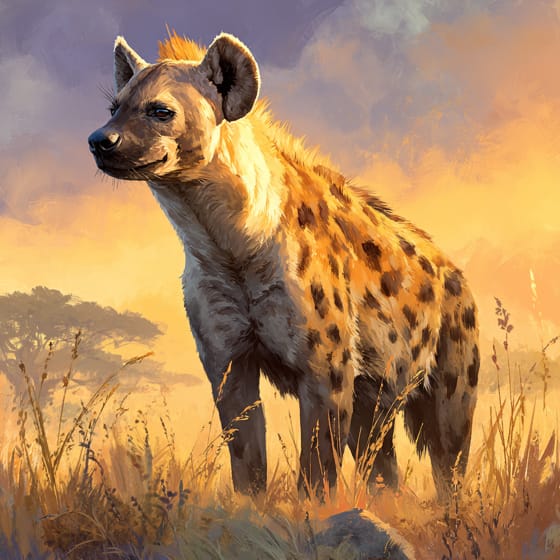
Crocuta crocuta
Hunts calves and sometimes adult lechwe.
Crocodylus niloticus
Ambushes lechwe in or near the water.
Furry describes animals possessing a dense covering of soft hair or fur.
Social animals live in organized groups, cooperating for survival benefits such as foraging, defense, and raising offspring.
Characterized by having one or more hard, permanent, pointed projections on the head.
This trait characterizes organisms whose diet consists entirely or primarily of plant material.

This habitat trait identifies species found in wetlands, which are areas of land saturated with water, either permanently or seasonally, including marshes, swamps, and bogs.

Diurnal animals are primarily active during daylight hours, typically resting or sleeping at night.

This trait identifies organisms that exhibit exceptional swiftness in movement for hunting, escape, or travel.

Aquatic habitats encompass environments where organisms live predominantly in water, including oceans, rivers, lakes, and wetlands.

Endangered status indicates a species is at a very high risk of extinction in the wild in the near future.
No aliases listed yet.
Danger
2/5 · Low
Always watch from a distance and never try to touch wild animals.
The easiest way to identify Nile lechwe is to use the Snappit nature identifier app.
120-165 cm
60-120 kg
11-15 years
55 km/h
These antelopes love to munch on fresh grasses and tasty aquatic plants found in wet areas.
Wetlands
Grazing
Zoom in to split clusters and explore where this object has been snapped.
Recent snaps will appear here as new observations are added.
Take the discovery with you
Snap it with Snappit to identify it, learn what makes it special, and add the discovery to your collection.




.jpg&width=800)


.JPG&width=800)


.jpg&width=800)
