





Northern Fungus-farming Ant
Trachymyrmex septentrionalis
The Northern Fungus-farming Ant is a tiny ant that loves to grow its own food! These ants make special gardens with fungus to eat, and they work together in big groups to take care of their home.
Habitat: Forests
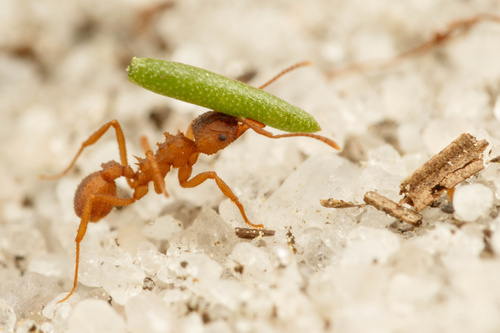
The Northern Fungus-farming Ant is a small, reddish-brown to dark brown ant with a distinctive rough, spiny body texture. Its body is covered in fine hairs, giving it a somewhat dusty appearance, which helps camouflage it in its detritus-filled environment.
Category
InsectsRarity
Common
Danger
1/5 · Very low
Snaps
1
Every new ant colony starts with a queen carrying a piece of her old garden!
Their queen can live for over 10 years, leading her colony for a very long time!
These tiny ants don't eat leaves directly; they feed their special fungus instead!
They have special chambers just for garbage, keeping their homes super clean!
Northern Fungus-farming Ants can grow their own food by carefully cultivating a specific fungus species deep within their nests.
Northern Fungus-farming Ants have special glands that produce antibiotics, helping protect their precious fungus gardens from harmful molds.
Northern Fungus-farming Ants can gather plant detritus and insect frass, which they use as fertilizer to feed their cultivated fungus.
These ants cultivate and consume a specialized fungus that they grow using plant detritus and insect frass.
Leucocoprinus gongylophorus
Ants cultivate and eat this specific fungus.
Formica pallidefulva
Other ant species sometimes raid their nests.
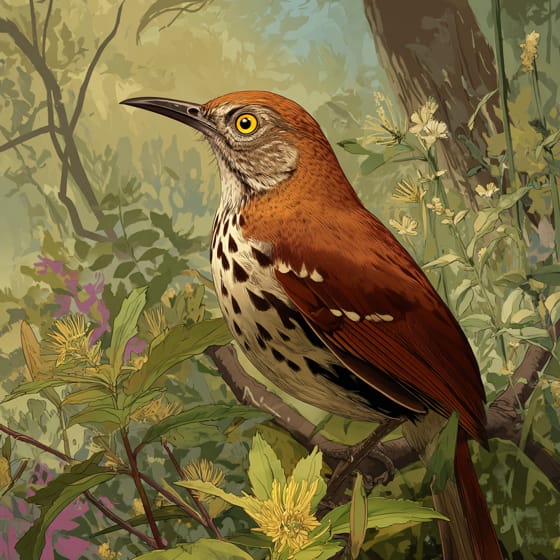
Toxostoma rufum
Birds often forage for ants on the ground.
Social animals live in organized groups, cooperating for survival benefits such as foraging, defense, and raising offspring.
This trait characterizes organisms whose diet consists entirely or primarily of plant material.
Describes a relationship between two different species where they live in close association, often benefiting one or both.
Describes organisms that break down dead organic material, recycling nutrients back into the ecosystem.

Forest habitats are terrestrial environments dominated by dense tree cover, supporting a high diversity of plant and animal life.

Describes a species whose presence and role have a disproportionately large effect on its environment.

Pertaining to species that are significantly smaller than typical or average for their kind.
No aliases listed yet.
Danger
1/5 · Very low
Be gentle and watch where you step, as ants are small and can be easily squished.
The easiest way to identify Northern Fungus-farming Ant is to use the Snappit nature identifier app.
2-4 mm
180-365 days
These ants cultivate and consume a specialized fungus that they grow using plant detritus and insect frass.
Forests
Foraging
6
500-3000
Zoom in to split clusters and explore where this object has been snapped.

Georgia, US
You might spot Gulf Fritillary, Anole, and American Beautyberry.
View guide →
New York, US
You might spot Northern Fungus-Farming Ant and Bronzed Tiger Beetle.
View guide →
Take the discovery with you
Snap it with Snappit to identify it, learn what makes it special, and add the discovery to your collection.








.jpg&width=800)


