





Northern White-Cheeked Gibbon
nomascus leucogenys
The Northern White-Cheeked Gibbon is a playful primate known for its acrobatic swings through the trees! With its striking white cheeks, this gibbon is not just cute but also sings beautiful songs to communicate with its friends.
Habitat: Tropical and subtropical rainforests in Southeast Asia.
The Northern White-Cheeked Gibbon is a slender ape with very long arms. Males are predominantly black with striking white patches on their cheeks. Females, however, have buff-colored fur and a distinct black cap on their head, making them easily distinguishable.
Category
MammalsRarity
Rare
Danger
1/5 · Very low
Snaps
Be the first to snap!
Each morning, family groups perform a loud, harmonized 'duet' of calls!
Gibbons sleep sitting upright, often on a sturdy branch high in the canopy!
Their long arms are twice the length of their body, perfect for swinging!
They rarely touch the ground, spending nearly their entire lives high in the trees!
Northern White-Cheeked Gibbon can swing rapidly through trees because of their incredibly long arms, allowing for swift movement.
Northern White-Cheeked Gibbon has powerful, melodic calls that help them communicate across long distances and defend their territory.
Northern White-Cheeked Gibbon has hook-like hands that help them grip branches securely while navigating the highest treetops.
They mainly munch on ripe fruits, but also enjoy young leaves and the occasional insect.
Ficus racemosa
A primary food source
Castanopsis indica
Eats fruits and leaves

Aquila nipalensis
May prey on juveniles
Neofelis nebulosa
Potential arboreal predator
Furry describes animals possessing a dense covering of soft hair or fur.
Social animals live in organized groups, cooperating for survival benefits such as foraging, defense, and raising offspring.
Arboreal animals live primarily in trees, utilizing them for shelter, food, and protection from predators.
Diurnal animals are primarily active during daylight hours, typically resting or sleeping at night.

Endangered status indicates a species is at a very high risk of extinction in the wild in the near future.
Danger
1/5 · Very low
No special safety notes yet.
The easiest way to identify Northern White-Cheeked Gibbon is to use the Snappit nature identifier app.
45-64 cm
5-8 kg
25-30 years
35 km/h
They mainly munch on ripe fruits, but also enjoy young leaves and the occasional insect.
Tropical and subtropical rainforests in Southeast Asia.
Foraging
Zoom in to split clusters and explore where this object has been snapped.
Recent snaps will appear here as new observations are added.

Ohio, US
You might spot African Lion, Tiger, and Snow Leopard.
View guide →

New York, US
You might spot Gorilla, Tiger, and Snow Leopard.
View guide →

Tennessee, US
You might spot Red Panda, Snow Leopard, and Chimpanzee.
View guide →
Massachusetts, US
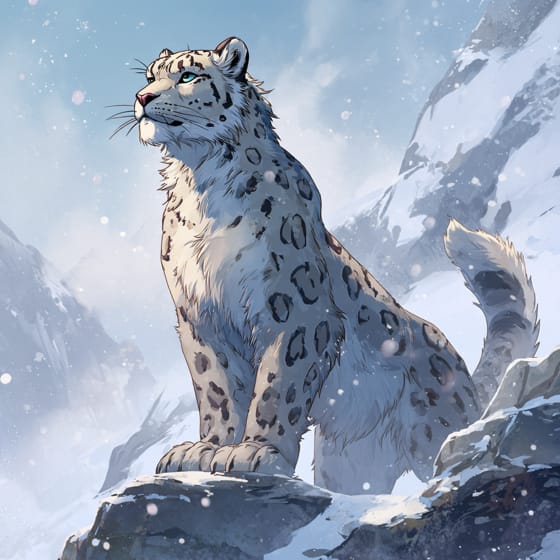
You might spot Snow Leopard, Jaguar, and Canis Lupus Baileyi.
View guide →
.jpeg&width=800)
Tennessee, US
You might spot Mainland Clouded Leopard, Spectacled Bear, and Tiger.
View guide →
Take the discovery with you
Snap it with Snappit to identify it, learn what makes it special, and add the discovery to your collection.




.jpg&width=800)



.JPG&width=800)



.jpg&width=800)
