





Olive
Olea europaea
The olive tree is a special tree that grows small, tasty olives. These trees can live for a very long time and are often found in sunny places. They are important for making olive oil, which many people love to use in cooking.
Habitat: Coastal areas
The Olive has a gnarled, often thick trunk and dense canopy of slender, silvery-green leaves. Its small, creamy-white flowers give way to oval fruits that ripen from green to dark purple or black, making them distinct from many other trees.
Category
PlantsRarity
Common
Danger
1/5 · Very low
Snaps
2
Ancient Olympic champions were crowned with wreaths made of olive branches!
It takes hundreds of olives to make just one bottle of olive oil!
Olive oil can float on water, making it easy to separate!
Wild olive trees have tiny, bitter fruits, very different from the ones we eat!
Olive has deep roots and waxy leaves that help it survive for a long time in very dry and hot climates.
Olive trees can live for hundreds, even thousands, of years, continuing to produce fruit over many generations.
Olive can tolerate salty soil and sea breezes, which helps it thrive in coastal regions where other plants struggle.
Olive has extremely hard, dense wood that makes it resistant to decay and strong winds, helping it stand firm.
Bactrocera oleae
Lays eggs in the fruit, larvae consume pulp.
Turdus merula
Consumes ripe olive fruits and disperses seeds.
Glomus mosseae
Helps olive roots absorb nutrients from soil.
Euphyllura olivina
Sucks sap from leaves and young shoots.
Broadleaf trees are angiosperms characterized by flat, wide leaves that are typically shed annually in temperate climates.
Evergreen plants retain their foliage throughout the year, never shedding all their leaves at once.
Fruit-bearing plants produce fruits, which are the mature ovaries of flowering plants containing seeds.
A fruit tree is a perennial tree that produces fruit, which is edible to humans or animals.

This human use trait identifies species cultivated as oil crops, harvested for their seeds or fruits from which vegetable oils are extracted for food, fuel, or industrial uses.

This human use trait describes species cultivated or domesticated by humans for agricultural purposes, including crops and livestock.

Edible plants are those parts of a plant that are considered safe for human consumption.

Describes plants that are particularly attractive and beneficial to a wide range of pollinating organisms.

This trait signifies organisms belonging to a very old evolutionary group with ancestors dating back millions of years.

This trait characterizes organisms with an exceptionally long lifespan compared to others of their kind.

Coastal habitats are dynamic environments located along the interface between land and sea, influenced by tides, waves, and saltwater.
Danger
1/5 · Very low
Don't eat olives from trees unless an adult says it's okay.
The easiest way to identify Olive is to use the Snappit nature identifier app.
300-2000 cm
200-1500 cm
0.3-0.5 cm
Spring to early Summer
Yes
None
Perennial
Zoom in to split clusters and explore where this object has been snapped.
Spain, ES
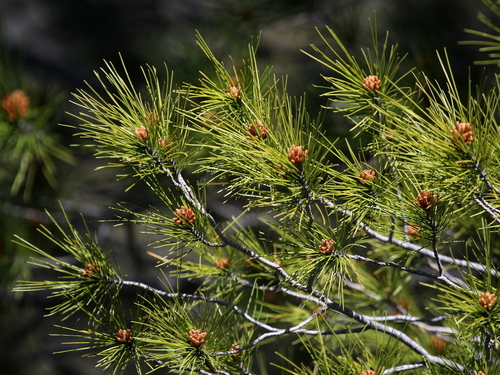
You might spot Aleppo Pine, Mastic, and Tree Spurge.
View guide →

California, US
You might spot Duck, Black-Necked Stilt, and House Finch.
View guide →

California, US
You might spot Hollyleaf Cherry, Toyon, and Lemonade Berry.
View guide →

California, US
You might spot Roxburgh Fig, Roses, and Swan-Neck Agave.
View guide →
Take the discovery with you
Snap it with Snappit to identify it, learn what makes it special, and add the discovery to your collection.









.jpg&width=800)


_001.jpg&width=800)

