





narrowleaf sunflower
Helianthus angustifolius
The narrowleaf sunflower is a bright and cheerful flower that grows tall with narrow leaves. It loves sunny places and attracts many happy bees and butterflies!
Habitat: Grasslands
The narrowleaf sunflower has vibrant yellow ray petals surrounding a dark reddish-brown central disc. Its most distinct feature is its many very slender, grass-like leaves, setting it apart visually from other broad-leafed sunflowers.
Category
PlantsRarity
Common
Danger
1/5 · Very low
Snaps
3
Ancient Native Americans historically gathered its underground tubers as a valuable food source.
Its extremely thin, grass-like leaves give this unique sunflower its "narrowleaf" name!
Unlike most sunflowers, this one actually loves wet feet and grows happily in soggy ground.
You can sometimes find these vibrant yellow flowers still blooming even after the first frosts!
The narrowleaf sunflower can thrive in soggy soils and marshy areas, tolerating conditions most other plants cannot.
It has edible tubers underground that store energy, helping it survive and regrow year after year.
This plant can spread through underground stems called rhizomes, allowing it to colonize new spots.
Apis mellifera
Collects nectar and pollen, aiding reproduction
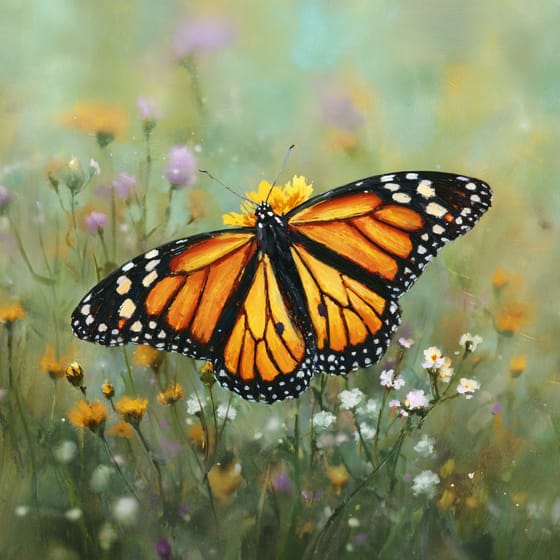
Danaus plexippus
Feeds on nectar, helping to spread pollen

Carduelis tristis
Feeds on the plant's seeds in late fall and winter
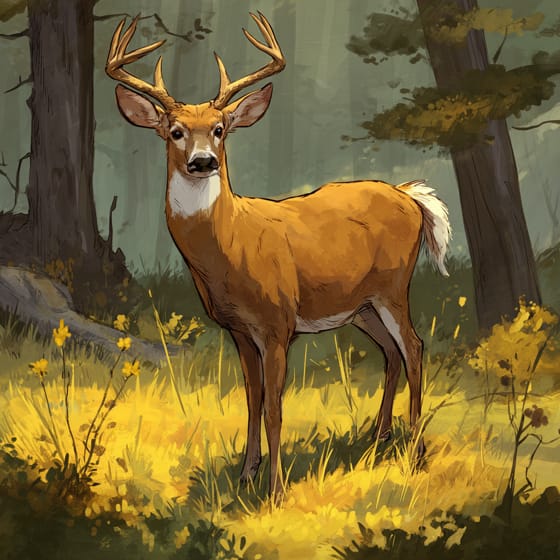
Odocoileus virginianus
Deer may browse on the leaves and stems
Flowering plants are any plants that produce flowers as part of their reproductive cycle.
Summer blooming plants produce their flowers during the summer season, often providing vibrant color when many other plants have finished.
Colorful describes organisms or objects displaying a wide range of bright and distinct colors.
Edible plants are those parts of a plant that are considered safe for human consumption.

Grassland habitats are terrestrial biomes dominated by grasses and herbaceous plants, supporting a variety of grazing animals.

Describes plants that are particularly attractive and beneficial to a wide range of pollinating organisms.

Rapid growing plants exhibit accelerated growth rates, quickly increasing in size and biomass within a short period.
No aliases listed yet.
Danger
1/5 · Very low
Always look but don't touch flowers without asking an adult first.
The easiest way to identify narrowleaf sunflower is to use the Snappit nature identifier app.
100-200 cm
30-60 cm
5-7 cm
Late summer to fall
Yes
None
Perennial
Zoom in to split clusters and explore where this object has been snapped.

Texas, US
You might spot Black Vulture, Great Egret, and Gulf Fritillary.
View guide →

Georgia, US
You might spot Strawberry Bush, Fire Pink, and Red Salamander.
View guide →

Alabama, US
You might spot Horned Passalus Beetle and American Sweetgum.
View guide →
Take the discovery with you
Snap it with Snappit to identify it, learn what makes it special, and add the discovery to your collection.








.jpg&width=800)



_001.jpg&width=800)



