

Olive Tree
Cabrera Archipelago National Park, a pristine jewel nestled off the southern coast of Mallorca, offers an unparalleled escape into the Mediterranean's untouched natural beauty.
Cabrera Archipelago National Park, a pristine jewel nestled off the southern coast of Mallorca, offers an unparalleled escape into the Mediterranean's untouched natural beauty. This Maritime-Terrestrial National Park, comprised of the main island of Cabrera and 18 smaller islets, was designated in 1991 to safeguard one of Spain's best-preserved marine environments. It's a sanctuary where time seems to slow down, inviting visitors to immerse themselves in a world far removed from the hustle and bustle of modern life, boasting the largest undeveloped area in the Mediterranean.
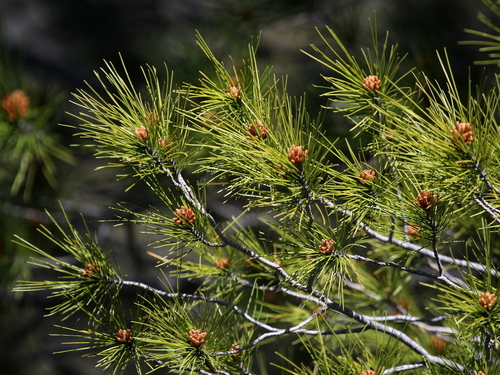
The park boasts incredibly diverse ecosystems, ranging from rugged limestone terrain with steep cliffs and hidden coves to vibrant underwater worlds. On land, expect to traverse Mediterranean scrubland dotted with Aleppo pine, mastic, and Mediterranean juniper, providing vital habitat for over 400 botanical species. The true spectacle, however, lies beneath the crystal-clear waves, where vast Posidonia oceanica seagrass meadows teem with over 500 species of marine fauna, including colorful fish, various crustaceans, and even dolphins and sea turtles. Birdwatchers will delight in the park's role as a crucial migratory stopover for over 150 species, offering sightings of Audouin's gull, the endemic Balearic shearwater, and the graceful European Pied Flycatcher, while the endemic Lilford's Wall Lizard skitters across the rocky landscape. A must-see is the legendary Blue Cave (Cova Blava), where sunlight refracts to create an ethereal blue glow, especially magical in the late afternoon.
Visiting Cabrera Archipelago National Park is an unforgettable experience, offering a rare opportunity to connect with nature in its purest form. Its strictly regulated visitor numbers ensure a peaceful and exclusive encounter with its dramatic landscapes and thriving wildlife. Whether you're exploring historic landmarks like Cabrera Castle, snorkeling in vibrant marine habitats, or simply soaking in the tranquility of its secluded beaches, the park promises a memorable adventure for nature enthusiasts and those seeking a serene Mediterranean escape. Planning to visit? Download the Snappit app to identify the wildlife you spot in real-time.
The Cabrera Archipelago has a rich and varied history, predating its establishment as a national park. Its strategic location made it a point of interest for various ancient civilizations, including the Phoenicians, Carthaginians, Byzantines, and Romans. The name "Cabrera" itself is believed to derive from the goats ("cabras" in Spanish) that the Romans released onto the islands to serve as a food source in case they needed refuge. Later, the islands gained notoriety during the Napoleonic Wars when they served as a harsh open-air prison for thousands of captured French soldiers following the Battle of Bailén. The archipelago also maintained a military presence until the late 1980s. Recognizing its immense ecological value, the Cabrera Archipelago was finally declared a Maritime-Terrestrial National Park in 1991, becoming Spain's first such park. The park was significantly expanded in 2019, primarily increasing its protected marine area, now covering approximately 908 square kilometers, ensuring further conservation of its unique biodiversity.
Take an authorized boat trip from Colònia de Sant Jordi in Mallorca. Enjoy guided or self-guided hikes to historical sites and viewpoints. Snorkel or dive in the clear waters, observing the rich marine life and Posidonia meadows. Engage in birdwatching, especially during migratory seasons.
Summer offers the warmest water for swimming and snorkeling. Limited services are available on the island, so prepare accordingly.
Access to the island is via boat. On the main island, paths can be stony and irregular, making some areas challenging for those with mobility issues. Specific accessibility features like paved trails or wheelchair access are not widely available.
A stunning sea cave famous for its intense blue luminosity, especially enchanting in the afternoon.
A 14th-century fortress offering breathtaking panoramic views of the archipelago and the Mediterranean.
Located near the port, it provides insights into the island's history, flora, fauna, and archeological findings.
Adjacent to the museum, showcasing a variety of native island plants.
Each card links to a full Explore page with photos, traits, and fun facts.
Start with the big picture, then zoom in to explore individual wildlife observations around this place.
Book Tours in Advance
Especially during peak season (summer), boat tours to Cabrera fill up quickly. Secure your spot well ahead of your planned visit.
Pack Essentials
Amenities on the island are very limited. Bring plenty of water, snacks, a packed lunch, and sun protection (hat, sunscreen, sunglasses) to stay comfortable throughout the day.
Bring Snorkeling Gear
Many boat tours offer equipment, but having your own mask and snorkel ensures a perfect fit and readiness to explore the vibrant underwater world at a moment's notice.
Wear Appropriate Footwear
Comfortable walking shoes are a must if you plan to hike to the castle, lighthouse, or explore the island's trails, which can be stony and uneven.
Plan for the Blue Cave
Ask your boat operator about the best time to visit the Blue Cave (Cova Blava) for its most spectacular light show, typically in the late afternoon on the return journey.
Leave No Trace
Cabrera is a highly protected area. There are no rubbish collection services on the island, so visitors are expected to take all their trash back to Mallorca.
Recent snaps will appear here as new observations are added.

Maryland, US
You might spot White-Tailed Deer and Eastern Gray Squirrel.
View guide →
.jpg)
District of Columbia, US
You might spot Eastern Gray Squirrel, Duck, and House Sparrow.
View guide →

Illinois, US
You might spot American Robin, Canada Goose, and House Sparrow.
View guide →

Virginia, US
You might spot Spotted Lanternfly and Northern Cardinal.
View guide →
Take the discovery with you
Identify the wildlife you spot, learn as you go, and keep a collection of the adventure.