


Orange Agoseris
agoseris aurantiaca
The Orange Agoseris (Agoseris aurantiaca) is a delightful alpine and subalpine perennial herb native to the mountains of western North America. Often referred to as the orange dandelion or mountain dandelion, this plant brings a brilliant splash of warm color to high-elevation landscapes. It thrives in open, sunny meadows and forest clearings where its distinctive fiery blossoms stand out against the greenery. Beyond its aesthetic appeal, it is a vital component of montane ecosystems, providing nourishment for high-altitude pollinators and local herbivores alike.
Habitat: Found in moist mountain meadows, subalpine forests, and open rocky slopes at high elevations.
This wildflower features a basal rosette of narrow, lance-shaped leaves that can be entire or slightly lobed. Rising from the center of this rosette is a single, leafless stem reaching 10 to 60 centimeters in height, topped with a single daisy-like flower head. The flower head is uniquely colored with coppery-orange, burnt-orange, or brick-red ligules that often turn deep pink or purple as they dry. The milky latex sap inside its stem is a key diagnostic feature, and after flowering, it develops a fluffy, white-to-light-brown dandelion-like puffball of seeds.
Category
PlantsRarity
Common
Danger
1/5 · Very low
Snaps
1
Indigenous peoples of western North America historically used the solidified milky sap of various Agoseris species as a natural chewing gum.
The genus name Agoseris comes from Greek words meaning 'goat chicory', referring to its resemblance to other members of the aster family.
Unlike many plants that fade to duller tones, the vibrant orange flowers of this species often age into deep pink, bronze, or purple hues before going to seed.
Produces a sticky, bitter white sap when its tissues are damaged, which deters predatory insects and large herbivores from feeding on it.
Seeds are attached to fine, feathery structures that catch mountain drafts, allowing them to disperse over long distances and colonize new slopes.
The unique orange and red hues of its flowers specifically target high-altitude pollinators that are highly sensitive to warm spectrums.
As a photosynthetic plant, it manufactures its own sugars using sunlight, water, and carbon dioxide, while absorbing vital trace minerals through its root system.
Bombus occidentalis
Pollinates the flower heads while feeding on nectar during the short alpine summer.
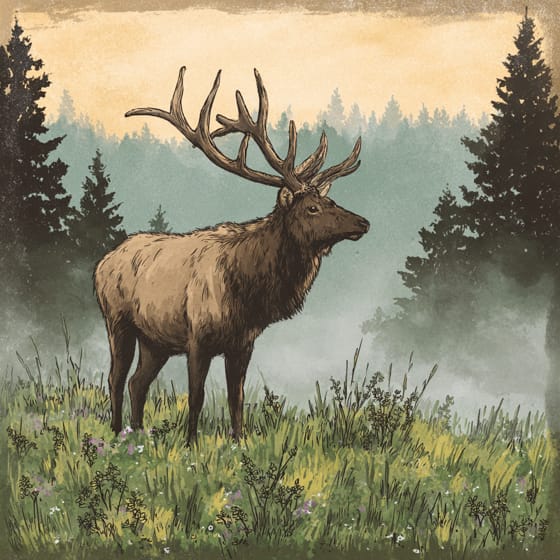
Cervus canadensis
Feeds on the nutrient-rich basal leaves and flower buds in high-elevation summer pastures.
Puccinia hieracii
A common fungal pathogen that infects the leaves of the Orange Agoseris, leaving powdery dark spots.
No trait badges are assigned for this object yet.
No aliases listed yet.
Collections for this object will appear here as more themes are added.
Danger
1/5 · Very low
No special safety notes yet.
The easiest way to identify Orange Agoseris is to use the Snappit nature identifier app.
10-60 cm
0.01-0.1 kg
3-10 years
As a photosynthetic plant, it manufactures its own sugars using sunlight, water, and carbon dioxide, while absorbing vital trace minerals through its root system.
Found in moist mountain meadows, subalpine forests, and open rocky slopes at high elevations.
Foraging
Zoom in to split clusters and explore where this object has been snapped.
Take the discovery with you
Snap it with Snappit to identify it, learn what makes it special, and add the discovery to your collection.












.jpg&width=800)



_001.jpg&width=800)




