





Pink Sand Verbena
Abronia umbellata
The Pink Sand Verbena is a beautiful flower that grows in sandy coastal areas. Its bright pink flowers bloom in clusters and attract butterflies and bees, making it a lovely sight in nature.
Habitat: Coastal areas
The Pink Sand Verbena is a low-growing plant featuring bright rose-pink to magenta trumpet-shaped flowers, tightly clustered into showy, globe-like heads. Its thick, somewhat sticky, grey-green leaves create a striking contrast against the vibrant blooms, often forming a spreading mat on sandy surfaces.
Category
PlantsRarity
Common
Danger
1/5 · Very low
Snaps
1
Even though it's called a verbena, it belongs to the amazing Four O'Clock flower family!
Its beautiful flowers often release a sweet perfume, especially as the sun goes down!
Its scientific name, Abronia, means "delicate," but it's super tough in sandy conditions!
The tiny seeds have special papery wings that help them fly on ocean breezes!
Pink Sand Verbena has special glands that help it excrete excess salt, allowing it to thrive near the salty ocean.
Its thick, succulent-like leaves can store precious water, helping it survive dry spells in sandy, well-draining soils.
Pink Sand Verbena grows a long taproot to reach deep underground water, staying hydrated in challenging sandy habitats.
Apis mellifera
Visits flowers for nectar and pollen.
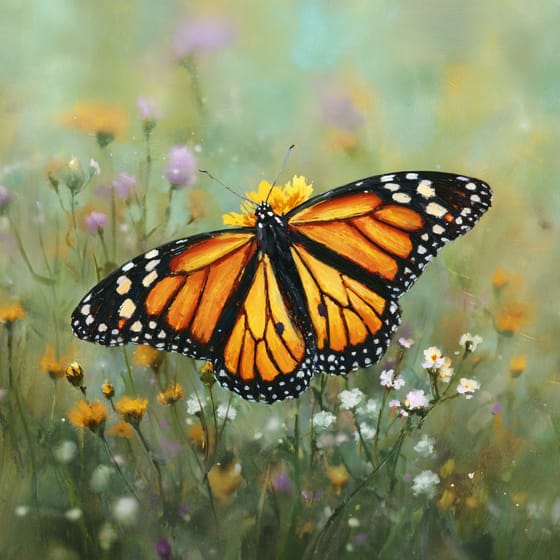
Danaus plexippus
Feeds on nectar, aiding flower reproduction.
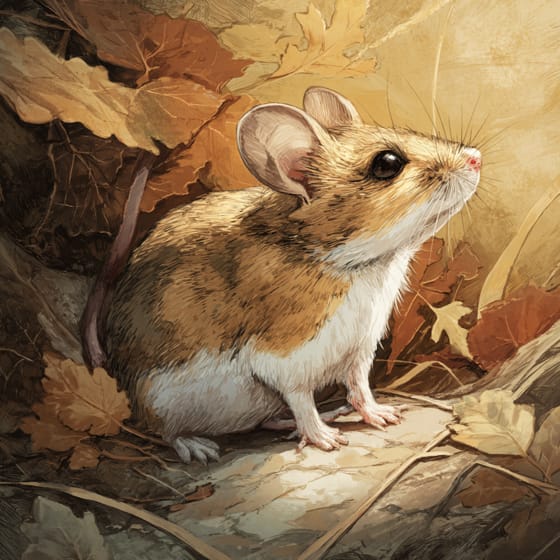
Peromyscus maniculatus
Consumes the seeds of the plant.
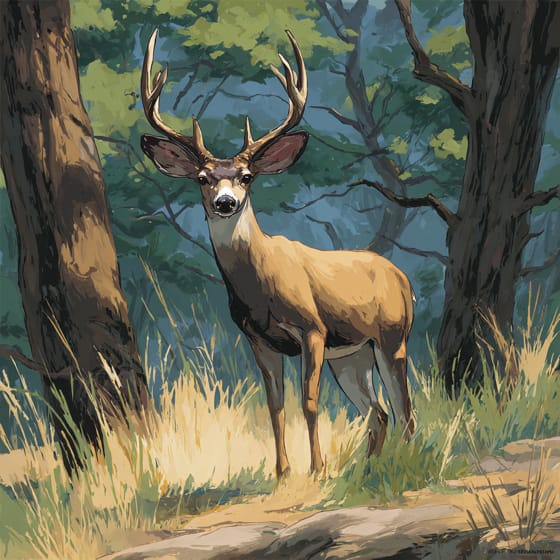
Odocoileus hemionus
Browses the leaves and stems of the plant.
Flowering plants are any plants that produce flowers as part of their reproductive cycle.
Cluster flowers are inflorescences where individual flowers are arranged closely together on a common stem.
A shrub is a woody plant smaller than a tree, typically with multiple stems branching from or near the ground.
Summer blooming plants produce their flowers during the summer season, often providing vibrant color when many other plants have finished.

Salt tolerant plants can withstand and grow in conditions with elevated salinity levels in the soil or water.

Drought-tolerant plants can survive and flourish in conditions with limited water availability.

Describes plants that are particularly attractive and beneficial to a wide range of pollinating organisms.

Coastal habitats are dynamic environments located along the interface between land and sea, influenced by tides, waves, and saltwater.
No aliases listed yet.
Danger
1/5 · Very low
Always look but don't pick flowers, so they can keep growing for everyone to enjoy.
The easiest way to identify Pink Sand Verbena is to use the Snappit nature identifier app.
10-30 cm
30-90 cm
3-6 cm
Spring to fall
No
None
Perennial
Zoom in to split clusters and explore where this object has been snapped.
Take the discovery with you
Snap it with Snappit to identify it, learn what makes it special, and add the discovery to your collection.





.jpg)



.jpg&width=800)



_001.jpg&width=800)




