.jpg&width=800)





Osmia brevicornis
Osmia brevicornis
The Osmia brevicornis is a small, friendly bee that helps flowers grow by spreading pollen. They are great at making nests in tiny holes and love to buzz around gardens in the spring.
Habitat: Urban areas, gardens
The Osmia brevicornis is a small, stout-bodied bee, often appearing dark blue or black with a slight metallic sheen. It has dense, pale hairs on its underside for carrying pollen and a relatively short, broad abdomen.
Category
InsectsRarity
Common
Danger
1/5 · Very low
Snaps
Be the first to snap!
Female Osmia brevicornis lay an egg in each nest cell with a ball of pollen.
These bees are excellent at reusing old holes for their cozy nests.
They are important pollinators for many wild plants and fruit trees.
Unlike honeybees, Osmia brevicornis does not produce honey for humans to eat.
Osmia brevicornis can construct sturdy nests in cavities because it uses mud, chewed plant matter, or resin.
Osmia brevicornis has dense hairs on its underside that help them efficiently collect and transport pollen.
Osmia brevicornis can pollinate flowers with shallow nectaries because it has a relatively short tongue.
Osmia brevicornis can create a protective cocoon for its young that helps them safely develop over winter.
These busy bees feed on nectar for energy and collect pollen to feed their growing babies!
Age differences: Larvae consume stored pollen and nectar, while adults feed solely on nectar.
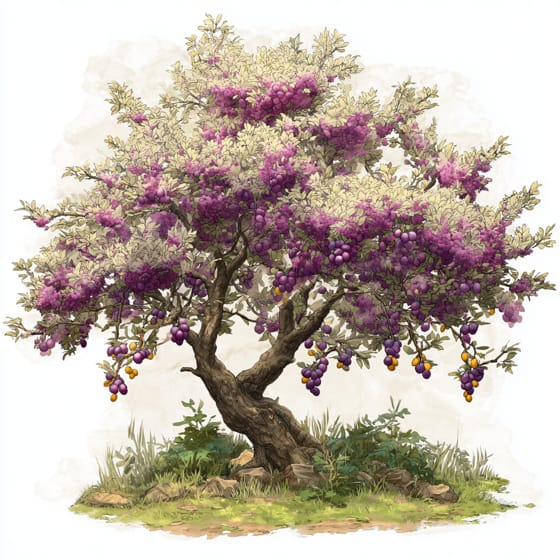
Prunus domestica
Helps plum trees produce fruit.
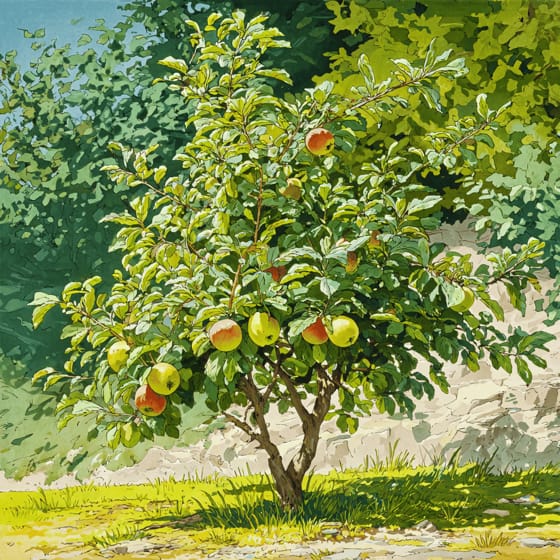
Malus domestica
A crucial pollinator for delicious apple harvests.
Rubus idaeus
Boosts raspberry plant fruit production.
%2C_Parc_de_Woluw%C3%A9%2C_Brussels_(13042792905).jpg&width=800)
Parus major
Larvae and adults can be preyed upon by birds.
Araneus diadematus
Can get caught in spider webs as prey.
Furry describes animals possessing a dense covering of soft hair or fur.
Solitary animals live alone for most of their lives, only interacting with others for mating or parental care.
This trait characterizes organisms whose diet consists entirely or primarily of plant material.
Describes plants that are particularly attractive and beneficial to a wide range of pollinating organisms.

Diurnal animals are primarily active during daylight hours, typically resting or sleeping at night.

Describes a species whose presence and role have a disproportionately large effect on its environment.

This habitat trait indicates species that can coexist with humans in urban and suburban environments, utilizing man-made structures and green spaces.

Describes organisms that transfer pollen, enabling the fertilization and reproduction of plants.
No aliases listed yet.
Danger
1/5 · Very low
Be gentle and quiet around bees; they are usually not harmful if left alone.
The easiest way to identify Osmia brevicornis is to use the Snappit nature identifier app.
10-15 mm
7-10 mm
20-40 days
These busy bees feed on nectar for energy and collect pollen to feed their growing babies!
Urban areas, gardens
Foraging
6
Zoom in to split clusters and explore where this object has been snapped.
Recent snaps will appear here as new observations are added.
Take the discovery with you
Snap it with Snappit to identify it, learn what makes it special, and add the discovery to your collection.






.jpg&width=800)



