





Pacific Dampwood Termite
Zootermopsis angusticollis
The Pacific Dampwood Termite is a small insect that helps break down wood and recycle nutrients in the forest. They live in damp, decaying wood and are important for keeping the environment healthy.
Habitat: Forests
The Pacific Dampwood Termite is one of North America's largest termites, ranging from yellowish-brown to reddish-brown. Its body is robust, and soldiers have large, dark heads with strong mandibles. Winged reproductives are darker brown with prominent, clear wings.
Category
InsectsRarity
Common
Danger
1/5 · Very low
Snaps
Be the first to snap!
Termite queens can live for over a decade, laying thousands of eggs! Wow!
Termites use their own droppings to seal up tunnels and fix their homes! Wow!
They don't build nests in the soil, only inside damp wood! Wow!
This termite is the largest dampwood species in North America! Wow!
Pacific Dampwood Termite can digest tough wood because of special microbes in its gut that helps them break down cellulose.
Pacific Dampwood Termite has a special ability to live only in very damp wood that helps them find and create their nests.
Pacific Dampwood Termite soldiers have massive, dark mandibles that help them defend the colony from invaders like ants.
These termites eat decaying wood and plant fibers, thanks to tiny helpers in their gut!
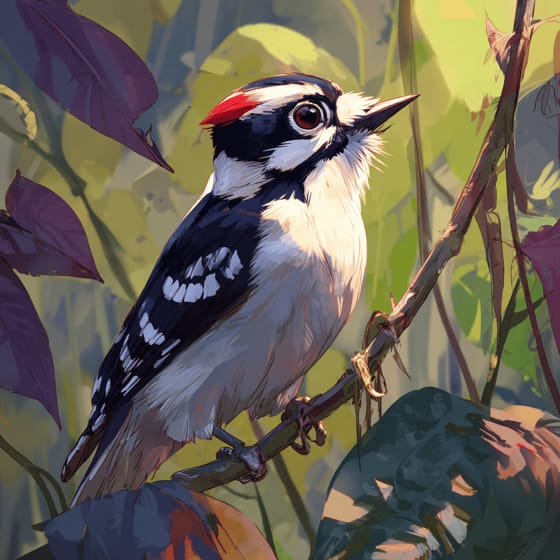
Picoides pubescens
Drills into wood to find and eat termites.
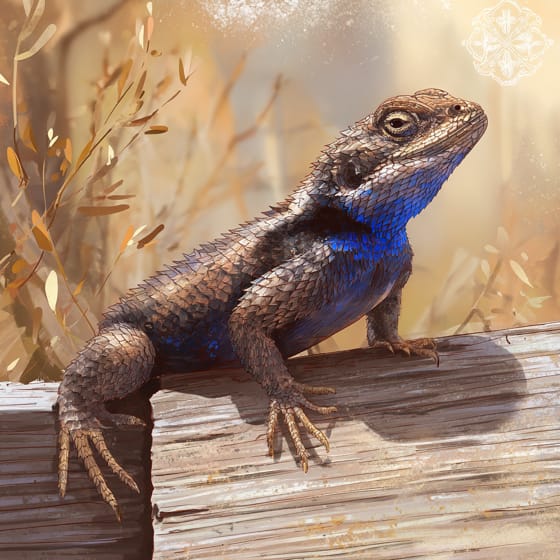
Sceloporus occidentalis
Preys on swarming termite alates during flights.
Trichonympha campanula
Lives in the termite's gut, helping digest wood cellulose.
Social animals live in organized groups, cooperating for survival benefits such as foraging, defense, and raising offspring.
This trait characterizes organisms whose diet consists entirely or primarily of plant material.
Describes organisms that break down dead organic material, recycling nutrients back into the ecosystem.
Forest habitats are terrestrial environments dominated by dense tree cover, supporting a high diversity of plant and animal life.

Describes a species whose presence and role have a disproportionately large effect on its environment.

Pertaining to species that are significantly smaller than typical or average for their kind.
No aliases listed yet.
Danger
1/5 · Very low
Termites are not harmful to people, but it's best to leave them in their homes.
The easiest way to identify Pacific Dampwood Termite is to use the Snappit nature identifier app.
30-40 mm
10-25 mm
365-1095 days
0.5-2 km/h
These termites eat decaying wood and plant fibers, thanks to tiny helpers in their gut!
Forests
Foraging
Zoom in to split clusters and explore where this object has been snapped.
Recent snaps will appear here as new observations are added.
Take the discovery with you
Snap it with Snappit to identify it, learn what makes it special, and add the discovery to your collection.








.jpg&width=800)


