





Lettered Habrosyne Moth
Habrosyne scripta
The Lettered Habrosyne Moth is a special moth with beautiful patterns on its wings. It loves to fly around at night and can be found resting on tree trunks during the day.
Habitat: Forests
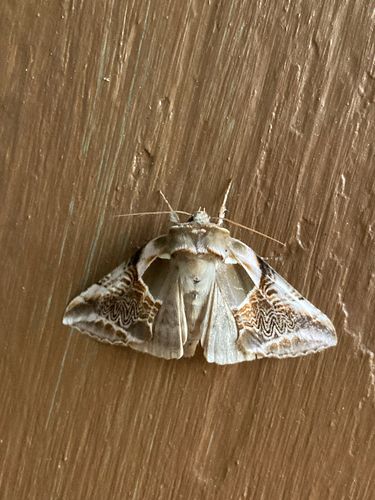
The Lettered Habrosyne Moth has white forewings boldly marked with dark brown or black zigzag lines and blotches. These patterns resemble elegant script, making it distinct from many other moths and helping it blend with lichen-covered bark.
Category
InsectsRarity
Common
Danger
1/5 · Very low
Snaps
2
Adult Lettered Habrosyne Moths likely do not eat at all.
Its caterpillar looks like a rolled-up leaf and has spike-like bumps!
Moths smell with their feathery antennae, not their noses!
The caterpillar spins a cozy silk cocoon before transforming into a moth.
Lettered Habrosyne Moth has wing patterns that help them blend perfectly with tree bark, making them hard for predators to spot.
Lettered Habrosyne Moth can fly at night because its large eyes are adapted for low light, helping them find food and mates.
Lettered Habrosyne Moth has special sensors on its feet that help them taste potential food sources and find the right plants.
As caterpillars, they munch on plant leaves; adults typically do not eat or sip nectar.
Age differences: Larvae eat plant leaves, while adults may sip nectar or do not feed at all.
.jpg&width=800)
Rubus allegheniensis
Its leaves are a primary food source for the moth's larvae.
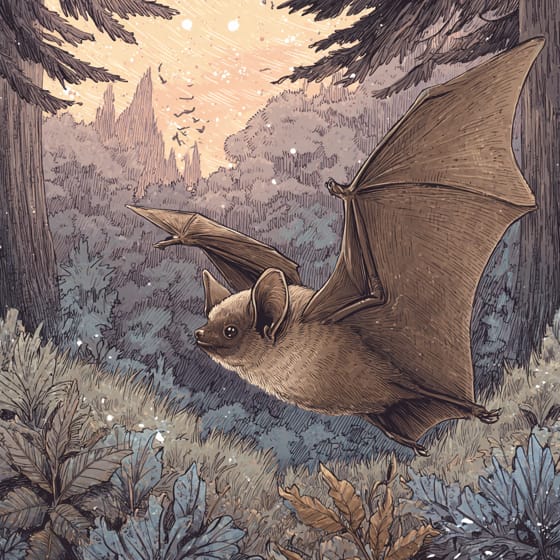
Myotis lucifugus
A nocturnal predator that hunts adult moths using echolocation.
Solidago canadensis
Moths may visit its flowers, inadvertently transferring pollen.
Solitary animals live alone for most of their lives, only interacting with others for mating or parental care.
Camouflaged describes organisms that possess coloring or patterns that allow them to blend into their environment.
Colorful describes organisms or objects displaying a wide range of bright and distinct colors.
This trait characterizes organisms whose diet consists entirely or primarily of plant material.

Describes plants that are particularly attractive and beneficial to a wide range of pollinating organisms.

Forest habitats are terrestrial environments dominated by dense tree cover, supporting a high diversity of plant and animal life.

Nocturnal animals are primarily active during the nighttime hours, typically resting or sleeping during the day.

Describes organisms that transfer pollen, enabling the fertilization and reproduction of plants.
No aliases listed yet.
Danger
1/5 · Very low
Don't touch moths or other insects without asking an adult first.
The easiest way to identify Lettered Habrosyne Moth is to use the Snappit nature identifier app.
25-30 mm
10-15 mm
7-14 days
As caterpillars, they munch on plant leaves; adults typically do not eat or sip nectar.
Forests
Grazing
6
Zoom in to split clusters and explore where this object has been snapped.
Aug 9, 2025
FairhavenPhoto attribution
(c) larndesolen, some rights reserved (CC BY)
License: CC BY 4.0 ↗
Image may be shown cropped inside the card frame.

Washington, US
You might spot Bigleaf Maple, Mule Deer, and Oregon Grape.
View guide →
.jpg)
Pennsylvania, US
You might spot Admiral Butterfly and Forest Tent Caterpillar Moth.
View guide →
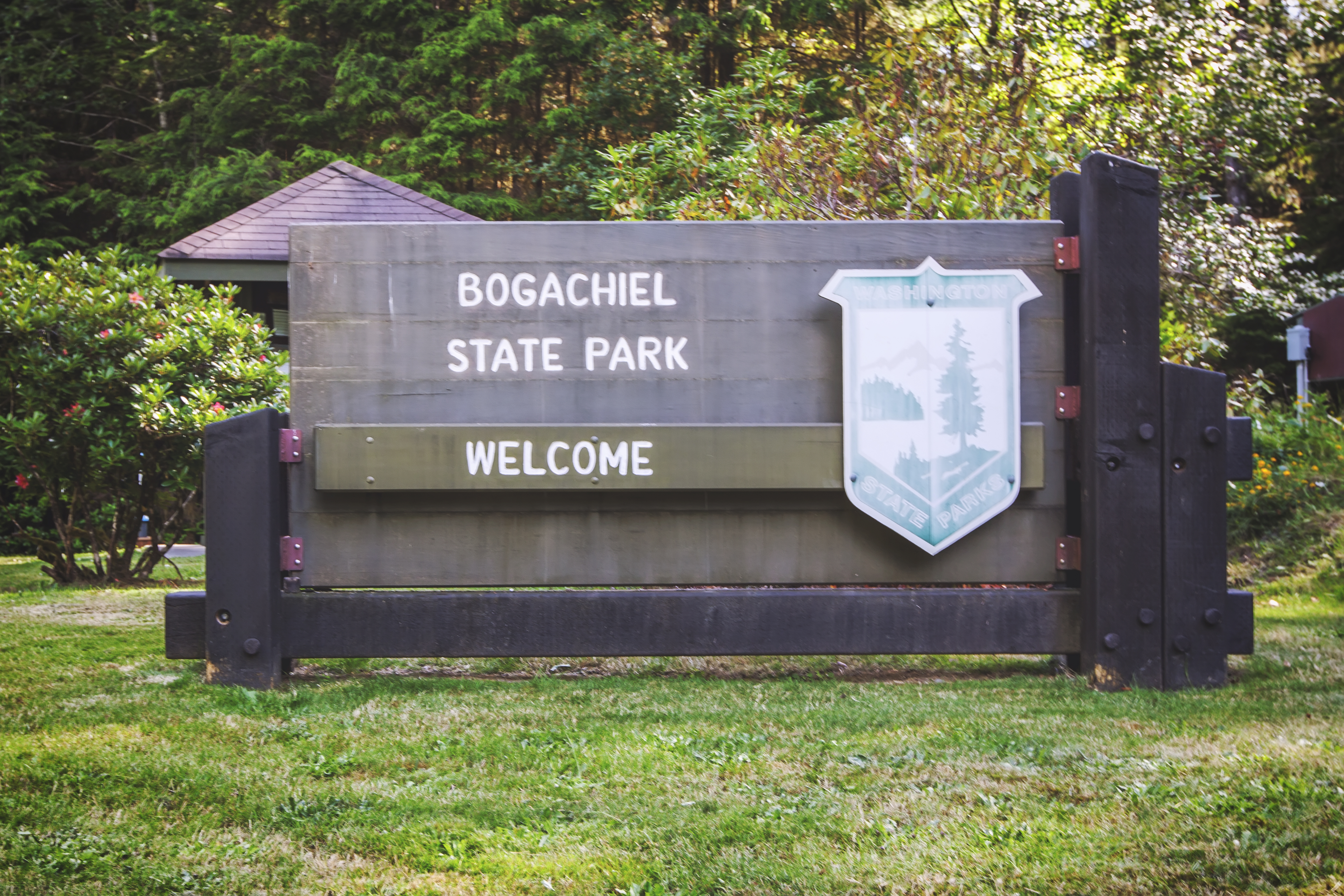
Washington, US
You might spot Pacific Banana Slug, Black Slug, and Salmonberry.
View guide →
Take the discovery with you
Snap it with Snappit to identify it, learn what makes it special, and add the discovery to your collection.








.jpg&width=800)


