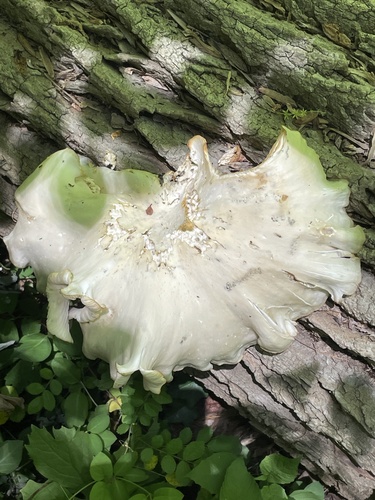
Pale Oyster
pleurotus pulmonarius
The Pale Oyster mushroom has a beautiful light color and a fan-like shape! It's a fun fungus that grows on trees and helps break down dead wood.
Habitat: They thrive on decaying wood and are commonly found in forests and gardens.
The Pale Oyster has a pale, fan-shaped or oyster-shaped cap, often creamy white, tan, or grayish. Its gills run down a very short or absent stem, appearing off-white and radiating from where it attaches to wood. It often grows in overlapping clusters, making it look like shelves on trees.
Category
FungiRarity
Common
Danger
1/5 · Very low
Snaps
2
Each Pale Oyster releases millions of tiny, dust-like spores that float away on the wind to find new homes.
Some people say young Pale Oysters smell just like fresh watermelon or even a hint of anise!
These mushrooms can change their cap color slightly based on how much sunlight they receive!
They are one of the fastest-growing cultivated mushrooms, appearing almost overnight!
Pale Oyster can break down dead wood because of powerful enzymes that help them recycle nutrients back into the forest soil.
Pale Oyster has the ability to help clean polluted sites by breaking down complex chemicals, assisting in environmental remediation.
Pale Oyster has a unique growth pattern, forming large, shelf-like clusters that help them cover more surface area for spore dispersal.
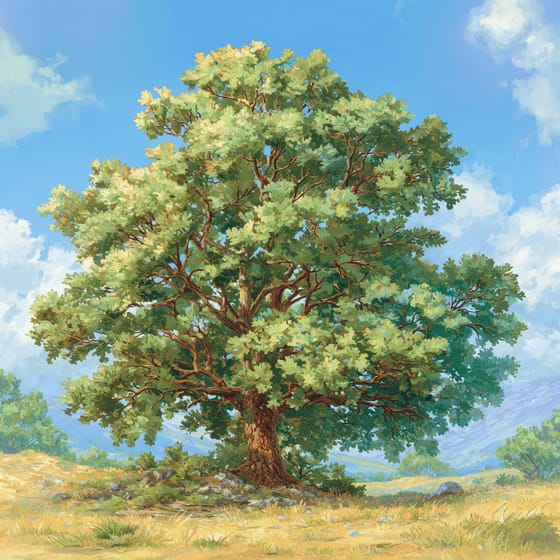
Quercus alba
Decomposes dead wood
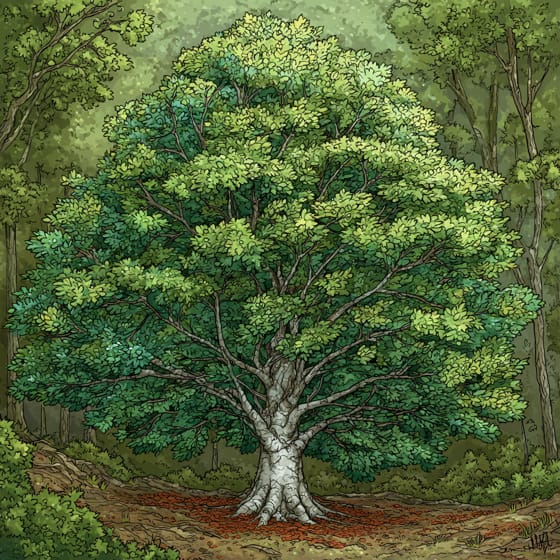
Fagus grandifolia
Breaks down fallen logs
Limax maximus
Feeds on mushroom tissue
Social animals live in organized groups, cooperating for survival benefits such as foraging, defense, and raising offspring.
Colorful describes organisms or objects displaying a wide range of bright and distinct colors.
This trait characterizes organisms whose diet consists entirely or primarily of plant material.
Describes organisms that break down dead organic material, recycling nutrients back into the ecosystem.

Forest habitats are terrestrial environments dominated by dense tree cover, supporting a high diversity of plant and animal life.
Danger
1/5 · Very low
Always ask an adult before touching or eating any mushrooms.
The easiest way to identify Pale Oyster is to use the Snappit nature identifier app.
2-5 cm
edible
5-15 cm
They thrive on decaying wood and are commonly found in forests and gardens.
wood
Summer to fall
White to pale lilac
Zoom in to split clusters and explore where this object has been snapped.
Jun 5, 2026
John J. Tyler ArboretumPhoto attribution
no rights reserved
License: CC0 1.0 ↗
Image may be shown cropped inside the card frame.

Pennsylvania, US
You might spot Song Sparrow and Eastern Tiger Swallowtail.
View guide →

Illinois, US
You might spot Prickly Cucumber and Golden Oyster Mushroom.
View guide →

Pennsylvania, US
You might spot American Robin, Song Sparrow, and Mourning Dove.
View guide →
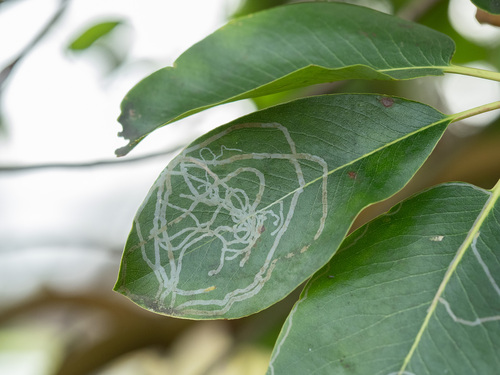
Washington, US
You might spot Madrone Skin Miner, Pacific Madrone, and Western Redcedar.
View guide →
Take the discovery with you
Snap it with Snappit to identify it, learn what makes it special, and add the discovery to your collection.