





Paperbark Maple
Acer griseum
The Paperbark Maple is a beautiful tree with smooth, peeling bark that looks like paper! It has lovely leaves that turn bright colors in the fall, making it a special sight in nature.
Habitat: Forests
The Paperbark Maple has stunning cinnamon to reddish-brown bark that exfoliates in thin, papery curls, revealing fresh, lighter bark beneath. Its unique leaves are usually trifoliate, meaning they have three leaflets, and turn vibrant shades of red and orange in autumn.
Category
PlantsRarity
Common
Danger
1/5 · Very low
Snaps
Be the first to snap!
Even in winter, its bright, peeling bark creates a beautiful splash of color in any garden!
Its bark actually feels like thin, crinkly paper, making it super fun to touch!
This amazing tree was first discovered in the mountains of faraway China over a hundred years ago.
Unlike most maples, its leaves have three distinct parts, not the usual five!
Paperbark Maple has unique bark that constantly peels in thin strips, helping it shed parasites and expand its trunk.
Paperbark Maple produces winged seeds called samaras that spin like helicopters, letting the wind carry them far away.
Sciurus carolinensis
eats its winged seeds

Peromyscus leucopus
consumes fallen seeds
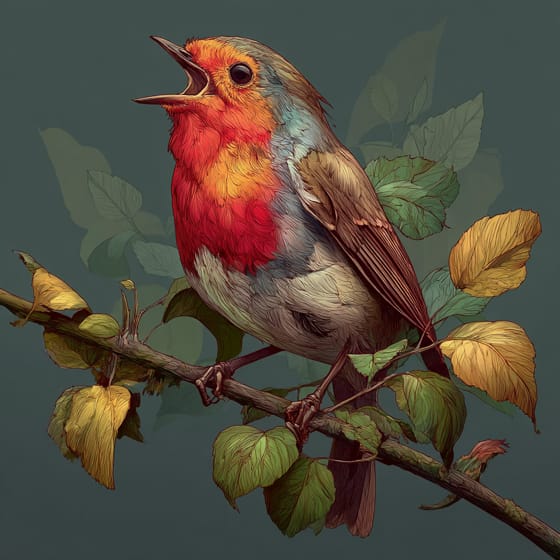
Turdus migratorius
nests in its branches
Deciduous plants periodically shed all their leaves, typically during autumn or dry seasons.
Ornamental plants are cultivated primarily for their aesthetic appeal, enhancing landscapes and gardens with their attractive foliage, flowers, or form.
Shade tolerant plants are adapted to grow and thrive in areas with low light levels, requiring less direct sunlight.
Broadleaf trees are angiosperms characterized by flat, wide leaves that are typically shed annually in temperate climates.

Fall color refers to the seasonal change in foliage pigmentation, primarily in deciduous plants, displaying vibrant hues.

Forest habitats are terrestrial environments dominated by dense tree cover, supporting a high diversity of plant and animal life.
No aliases listed yet.
Danger
1/5 · Very low
Stay on paths and don't climb trees without an adult's help.
The easiest way to identify Paperbark Maple is to use the Snappit nature identifier app.
600-900 cm
450-750 cm
0.5-1.5 cm
Spring
No
None
Perennial
Zoom in to split clusters and explore where this object has been snapped.
Recent snaps will appear here as new observations are added.
Take the discovery with you
Snap it with Snappit to identify it, learn what makes it special, and add the discovery to your collection.







.jpg&width=800)


_001.jpg&width=800)



