





Texas Paintbrush
Castilleja indivisa
The Texas Paintbrush is a bright and colorful flower that looks like a paintbrush dipped in red! It grows in fields and along roadsides, bringing joy to everyone who sees it.
Habitat: Grasslands
The Texas Paintbrush has vibrant, fuzzy clusters of red-orange bracts that resemble a painter's brush dipped in color. Its slender, upright green stems support these showy displays, which are often more prominent than its actual tiny, greenish flowers tucked beneath.
Category
PlantsRarity
Common
Danger
1/5 · Very low
Snaps
6
It got its name because its fiery red tops truly look like an artist's brush covered in paint.
The true flowers are tiny and green, hidden beneath the bright, colorful leaves that look like petals!
This annual plant grows quickly from seed and completes its entire life cycle in just one year.
Though common, the Texas Paintbrush is tricky to grow in gardens without its secret plant friends!
Texas Paintbrush can tap into the roots of nearby plants, secretly 'stealing' water and nutrients to help it grow big and strong.
Its brilliant red-orange 'petals' are actually colorful leaves called bracts that wave like flags to attract hungry bees and butterflies.
Apis mellifera
Visits for nectar and pollen.
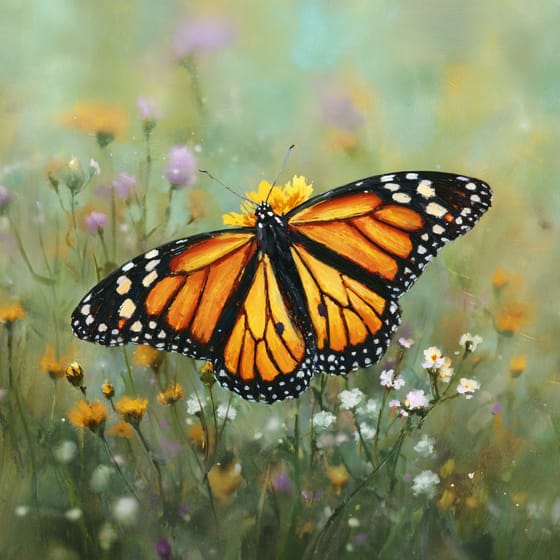
Danaus plexippus
Feeds on nectar, aiding reproduction.
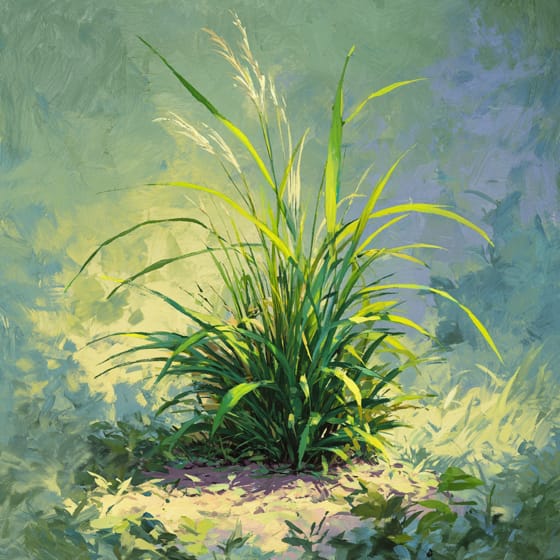
Poa pratensis
Taps into roots for nutrients and water.
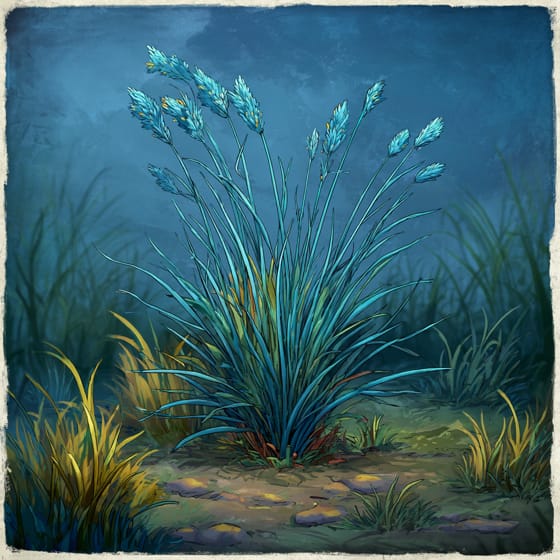
Schizachyrium scoparium
Steals moisture and minerals from its roots.
Flowering plants are any plants that produce flowers as part of their reproductive cycle.
Spring blooming plants produce their flowers during the spring season, often signifying the end of winter and the start of new growth.
Fragrant flowers emit a pleasant aroma, often to attract pollinators or for defense.
Drought-tolerant plants can survive and flourish in conditions with limited water availability.

Colorful describes organisms or objects displaying a wide range of bright and distinct colors.

Grassland habitats are terrestrial biomes dominated by grasses and herbaceous plants, supporting a variety of grazing animals.

Describes plants that are particularly attractive and beneficial to a wide range of pollinating organisms.
No aliases listed yet.
Danger
1/5 · Very low
Enjoy looking at flowers, but don't pick them so everyone can enjoy them too!
The easiest way to identify Texas Paintbrush is to use the Snappit nature identifier app.
15-45 cm
10-20 cm
2-5 cm
Spring (March-May)
No
None
Annual
Zoom in to split clusters and explore where this object has been snapped.

Texas, US
You might spot Grooved Nipple Cactus and Blanchard's Cricket Frog.
View guide →

Texas, US
You might spot Christmas Cholla, Dakota Mock Vervain, and Honey Mesquite.
View guide →

Texas, US
You might spot Yaupon Holly, American Beautyberry, and Loblolly Pine.
View guide →

Florida, US
You might spot Eastern Redcedar, Fetterbush Lyonia, and Virginia Creeper.
View guide →

Oklahoma, US
You might spot American Bison, Prairie Dog, and Eastern Collared Lizard.
View guide →

Texas, US
You might spot Brown Anole, Japanese Climbing Fern, and Chinese Tallow.
View guide →
Take the discovery with you
Snap it with Snappit to identify it, learn what makes it special, and add the discovery to your collection.








.jpg&width=800)


_001.jpg&width=800)




