





Phacochoerus
Phacochoerus
The Phacochoerus, also known as the warthog, is a wild pig with big tusks and a hairy body. They love to dig in the ground for food and can often be seen in groups called sounders.
Habitat: Savannas
The Phacochoerus is a sturdy, grey-brown pig with a large head and a sparse, bristly coat. It is easily recognized by its distinctive facial 'warts' and the two pairs of impressive, upward-curving tusks that protrude from its snout.
Category
MammalsRarity
Common
Danger
3/5 · Moderate
Snaps
Be the first to snap!
A group of warthogs is called a 'sounder'—what a cool name for these wild pigs!
Their babies, called 'piglets,' always follow their mom in a neat single file line!
They often back into burrows, leaving their formidable tusks facing out to deter predators!
Warthogs love mud baths to cool down their skin and protect themselves from the sun!
Phacochoerus can dig rapidly with its strong tusks because they help them unearth roots and burrow for shelter.
Phacochoerus can run very quickly because of its powerful legs, helping them escape predators.
Phacochoerus can graze comfortably on its front knees because specialized pads protect them, allowing access to short grasses.
Warthogs mainly munch on grasses, roots, and bulbs they dig up with their tough snouts.
Panthera leo
A major predator of adult warthogs.
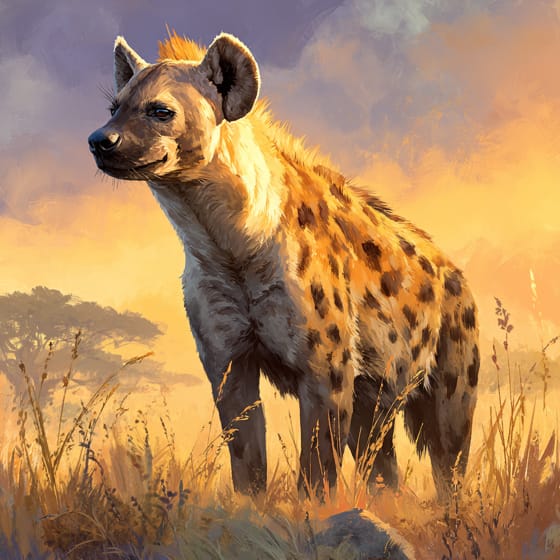
Crocuta crocuta
Often hunts young and adult warthogs.
Themeda triandra
A common savanna grass, a primary food source.
Furry describes animals possessing a dense covering of soft hair or fur.
Social animals live in organized groups, cooperating for survival benefits such as foraging, defense, and raising offspring.
Burrowing animals dig tunnels and chambers in the ground, using these subterranean structures for shelter, hunting, or breeding.
This trait characterizes organisms whose diet consists entirely or primarily of plant material.

Characterized by having long, pointed, projecting teeth, usually in pairs.

This habitat trait denotes species native to savannas, which are grasslands with scattered trees, typically found in tropical or subtropical regions with distinct wet and dry seasons.

Diurnal animals are primarily active during daylight hours, typically resting or sleeping at night.

This trait identifies organisms that exhibit exceptional swiftness in movement for hunting, escape, or travel.
No aliases listed yet.
Danger
3/5 · Moderate
Keep a safe distance if you see a warthog in the wild; they can be protective of their young.
The easiest way to identify Phacochoerus is to use the Snappit nature identifier app.
90-150 cm
50-150 kg
10-15 years
55 km/h
Warthogs mainly munch on grasses, roots, and bulbs they dig up with their tough snouts.
Savannas
Foraging
Zoom in to split clusters and explore where this object has been snapped.
Recent snaps will appear here as new observations are added.
Take the discovery with you
Snap it with Snappit to identify it, learn what makes it special, and add the discovery to your collection.




.jpg&width=800)


.JPG&width=800)

.jpg&width=800)
