





Rafinesque's Big-eared Bat
Corynorhinus rafinesquii
Rafinesque's Big-eared Bat is a small bat with big ears! They love to eat insects and can be found in dark places like caves and old buildings. These bats help keep the bug population down!
Habitat: Caves and forests
The Rafinesque's Big-eared Bat has incredibly large ears, almost half its body length, that connect at the base. Its back is pale gray-brown, contrasting sharply with a pure white belly. It also has a distinctive pinkish nose and thin, delicate wing membranes.
Category
MammalsRarity
Rare
Danger
1/5 · Very low
Snaps
Be the first to snap!
Baby bats, called pups, cling tightly to their mothers until they learn to fly!
Their huge ears are so long they can actually curl them up when they rest!
These bats like to hang out in old, quiet places like abandoned buildings or hollow trees!
They use their long, pink tongues to drink water, swooping low over puddles!
The Rafinesque's Big-eared Bat has enormous ears that help it hear tiny insect sounds, detecting hidden prey.
This bat can fly incredibly quietly because its specialized wings absorb sound, helping it sneak up on insects.
Rafinesque's Big-eared Bat can pluck insects directly off leaves and tree trunks, a hunting style called gleaning.
This bat loves to snack on a variety of night-flying insects, especially juicy moths and beetles.
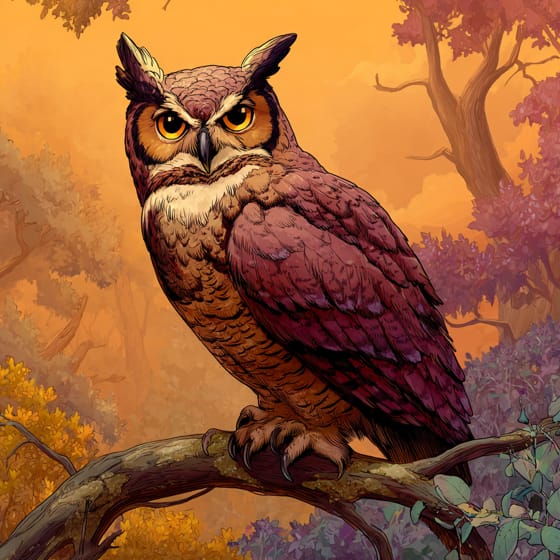
Bubo virginianus
Nocturnal predator catching bats in flight or at roosts.

Procyon lotor
Opportunistic predator, can catch bats at roost entrances.
Liriodendron tulipifera
Provides hollows for roosting and raising young.
Furry describes animals possessing a dense covering of soft hair or fur.
Solitary animals live alone for most of their lives, only interacting with others for mating or parental care.
Aerial creatures spend a significant portion of their lives airborne, utilizing flight for various activities such as hunting, migration, or nesting.
Cave dwelling describes organisms specifically adapted to live in underground cave systems, often exhibiting specialized traits due to lack of light.

This trait identifies organisms whose diet primarily consists of insects and other small invertebrates.

Echolocation is a biological sonar used by animals to navigate, hunt, and communicate by emitting sound waves and interpreting the echoes.

Forest habitats are terrestrial environments dominated by dense tree cover, supporting a high diversity of plant and animal life.

This trait characterizes organisms with an exceptionally long lifespan compared to others of their kind.

Nocturnal animals are primarily active during the nighttime hours, typically resting or sleeping during the day.

Endangered status indicates a species is at a very high risk of extinction in the wild in the near future.
Danger
1/5 · Very low
If you see a bat, watch quietly from a distance. They are shy and prefer to be left alone.
The easiest way to identify Rafinesque's Big-eared Bat is to use the Snappit nature identifier app.
7.5-12 cm
25-30 cm
0.006-0.016 kg
7-14 years
20 km/h
This bat loves to snack on a variety of night-flying insects, especially juicy moths and beetles.
Caves and forests
Zoom in to split clusters and explore where this object has been snapped.
Recent snaps will appear here as new observations are added.
Take the discovery with you
Snap it with Snappit to identify it, learn what makes it special, and add the discovery to your collection.





.jpg&width=800)



.JPG&width=800)



.jpg&width=800)
