.jpg&width=800)





Phellopsis porcata
Phellopsis porcata
Phellopsis porcata is a special type of fungus that grows on wood. It looks like a little brown shelf and helps break down dead trees, making the forest healthy and full of life.
Habitat: Forests
The Phellopsis porcata is a small, oval beetle with a dark brown to black body, covered in rough, bumpy tubercles that give it a knobby appearance. Its flattened shape and ridged texture help it blend in perfectly with the bracket fungi it calls home, making it hard to spot.
Category
InsectsRarity
Common
Danger
2/5 · Low
Snaps
Be the first to snap!
It belongs to a family of beetles often called "ironclad beetles" because of their tough bodies!
Its scientific name, "porcata," means "ridged" or "grooved," describing its bumpy back!
This beetle is a super important recycler, munching on tough fungi to help break them down!
You might find them hiding right underneath shelf fungi, where they blend in perfectly!
Phellopsis porcata can perfectly camouflage itself because its bumpy texture and dark color blend seamlessly with the bracket fungi it lives on.
Phellopsis porcata has specialized mouthparts that help them chew through the tough, woody textures of bracket fungi.
Phellopsis porcata has a very thick, hardened exoskeleton that helps them protect against predators and physical damage.
This beetle helps nature by munching on tough shelf fungi, turning them into food!
Fomes fomentarius
Feeds on the woody fruiting bodies.
Ganoderma applanatum
Consumes the tough fungal tissue.
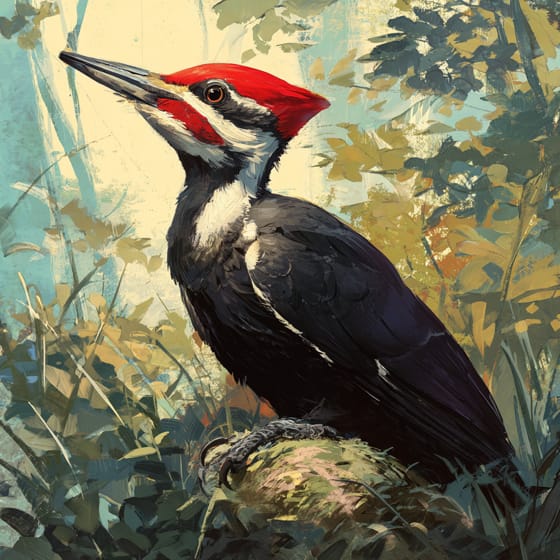
Dryocopus pileatus
Forages for insects on dead wood.
Sorex cinereus
Preys on small forest floor insects.
Fomes fomentarius
Relies on this fungus for food and shelter.
This trait describes a symbiotic relationship between a fungus and the roots of a plant, benefiting both organisms.
Solitary animals live alone for most of their lives, only interacting with others for mating or parental care.
Spore-producing organisms reproduce by releasing small, often single-celled, reproductive units called spores.
This trait signifies organisms belonging to a very old evolutionary group with ancestors dating back millions of years.

Describes organisms that break down dead organic material, recycling nutrients back into the ecosystem.

Forest habitats are terrestrial environments dominated by dense tree cover, supporting a high diversity of plant and animal life.

Describes a species whose presence and role have a disproportionately large effect on its environment.

Pertaining to species that are significantly smaller than typical or average for their kind.
No aliases listed yet.
Danger
2/5 · Low
Never touch or eat mushrooms you find in the wild without asking an adult.
The easiest way to identify Phellopsis porcata is to use the Snappit nature identifier app.
8-12 mm
4-7 mm
60-180 days
This beetle helps nature by munching on tough shelf fungi, turning them into food!
Forests
Foraging
6
Zoom in to split clusters and explore where this object has been snapped.
Recent snaps will appear here as new observations are added.
Take the discovery with you
Snap it with Snappit to identify it, learn what makes it special, and add the discovery to your collection.









.jpg&width=800)


