





Figeater Beetle
Cotinis mutabilis
The Figeater Beetle is a shiny green beetle that loves to munch on ripe figs and fruits. They are often seen buzzing around gardens and trees, making them a fun sight to spot!
Habitat: Urban areas
The Figeater Beetle has a large, metallic emerald-green body often with dull orange-yellow markings on its head and underside. Its smooth, iridescent wing covers can appear bronze in certain light, making it a striking jewel among insects. They are notably larger than many common garden beetles.
Category
InsectsRarity
Common
Danger
1/5 · Very low
Snaps
2
Adult Figeater Beetles are often heard before they are seen, flying with a loud, distinctive buzz!
Their larvae are giant C-shaped grubs that live underground for up to two years before becoming beetles!
They are sometimes called 'Green June Beetles' in some areas, though they are a different species!
When they fly, Figeater Beetles keep their hard wing covers closed, only extending their delicate hindwings!
Figeater Beetle larvae can burrow deep underground because of their strong mandibles, helping them stay safe and find decaying matter.
Figeater Beetles can fly with a distinct buzzing sound because of their large, powerful wings, helping them quickly locate ripe fruit.
Figeater Beetles can detect the scent of fermenting fruit from a distance because of specialized antennae, helping them find their next meal.
The Figeater Beetle pupates in a sturdy soil chamber it builds, protecting it during metamorphosis from larva to adult.
These beetles love to feast on super ripe and decaying fruits, especially figs, and even tree sap!
Age differences: Larvae eat decaying organic matter in soil, while adults primarily consume ripe and fermenting fruits.

Ficus carica
Feasts on ripe fruit from fig trees.
Prunus persica
Consumes decaying or ripe peaches.

Corvus brachyrhynchos
Preyed upon by opportunistic birds.
Didelphis virginiana
Forages for them on the ground.
Colorful describes organisms or objects displaying a wide range of bright and distinct colors.
This trait characterizes organisms whose diet consists entirely or primarily of plant material.
Describes plants that are particularly attractive and beneficial to a wide range of pollinating organisms.
Diurnal animals are primarily active during daylight hours, typically resting or sleeping at night.

This trait identifies organisms that exhibit exceptional swiftness in movement for hunting, escape, or travel.

This habitat trait indicates species that can coexist with humans in urban and suburban environments, utilizing man-made structures and green spaces.

Describes organisms that transfer pollen, enabling the fertilization and reproduction of plants.
Danger
1/5 · Very low
Figeater Beetles are harmless, but it's best to watch them from a distance.
The easiest way to identify Figeater Beetle is to use the Snappit nature identifier app.
40-60 mm
20-35 mm
30-60 days
12 km/h
These beetles love to feast on super ripe and decaying fruits, especially figs, and even tree sap!
Urban areas
Foraging
Zoom in to split clusters and explore where this object has been snapped.

New Mexico, US
You might spot White-Winged Dove and Silverleaf Nightshade.
View guide →
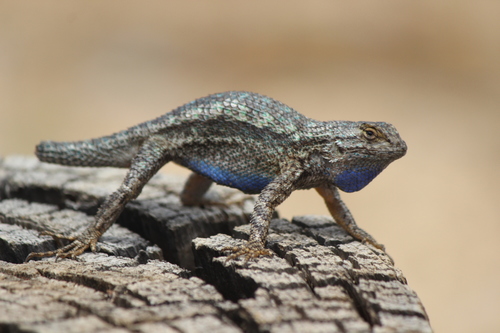
California, US
You might spot Western Fence Lizard, Monarch, and Bee.
View guide →

California, US
You might spot Eastern Fox Squirrel, Common Raven, and Mourning Dove.
View guide →
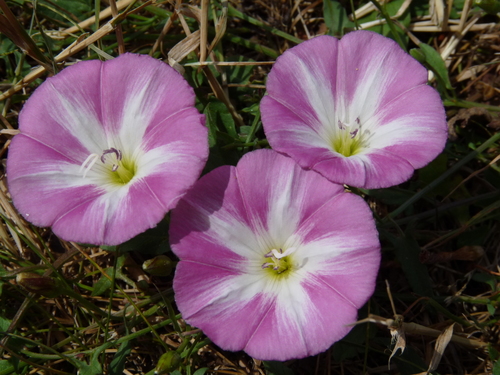
California, US
You might spot Field Bindweed, Charlock, and Figeater Beetle.
View guide →
Take the discovery with you
Snap it with Snappit to identify it, learn what makes it special, and add the discovery to your collection.







.jpg&width=800)



