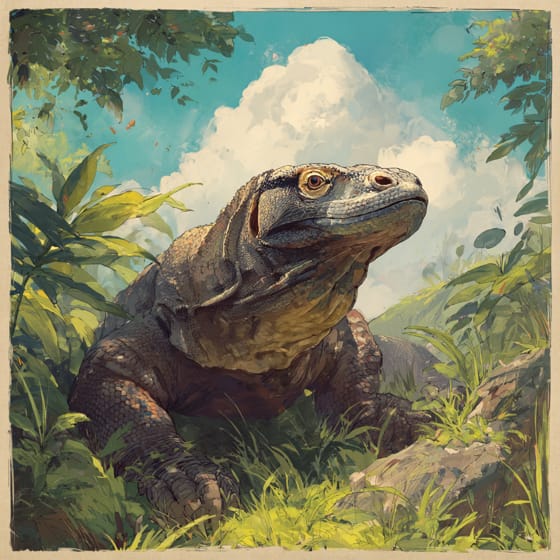
Philippine Crocodile
crocodylus mindorensis
The Philippine Crocodile is a special crocodile that loves to live in freshwater rivers and lakes. These amazing creatures have strong jaws and can be found basking in the sun or swimming in the water.
Habitat: Freshwater rivers, lakes, and swamps in the Philippines.
The Philippine Crocodile is a relatively small freshwater crocodile, typically golden-brown to olive-brown with darker bands that fade with age. It has a distinctive broad snout and heavily armored scales, differentiating it from the longer-snouted saltwater crocodile.
Category
ReptilesRarity
Epic
Danger
4/5 · High
Snaps
Be the first to snap!
Baby crocodiles use a special egg tooth to break out of their shells!
Crocodiles communicate with grunts and growls, especially during mating season!
Only about 250 Philippine Crocodiles are left in the wild, making them super rare!
They are known as 'buwaya' in the local Filipino language!
Philippine Crocodile has an incredibly strong bite force that helps them crush bones and hold onto slippery prey.
Philippine Crocodile can stay submerged for extended periods, silently ambushing prey in murky waters.
Philippine Crocodile can bask in the sun to warm up or seek shade to cool down, regulating its body temperature.
These silent hunters mostly eat fish, small mammals, and insects found in their freshwater homes.
Age differences: Young crocodiles primarily eat insects and small fish, while adults take on larger prey like mammals and birds.
Channa striata
A common prey fish in their freshwater habitats.
Rana erythraea
Frogs are a regular part of their diet.
Varanus marmoratus
Adult monitors can sometimes prey on crocodile eggs.
Homo sapiens
Conservation efforts by humans are crucial for their survival.
Solitary animals live alone for most of their lives, only interacting with others for mating or parental care.
This trait identifies organisms whose diet consists entirely or primarily of animal tissue.
Aquatic habitats encompass environments where organisms live predominantly in water, including oceans, rivers, lakes, and wetlands.
Endangered status indicates a species is at a very high risk of extinction in the wild in the near future.
Danger
4/5 · High
Always observe crocodiles from a safe distance.
The easiest way to identify Philippine Crocodile is to use the Snappit nature identifier app.
150-260 cm
60-150 kg
30-50 years
17 km/h
These silent hunters mostly eat fish, small mammals, and insects found in their freshwater homes.
12 km/h
Freshwater rivers, lakes, and swamps in the Philippines.
Zoom in to split clusters and explore where this object has been snapped.
Recent snaps will appear here as new observations are added.
Take the discovery with you
Snap it with Snappit to identify it, learn what makes it special, and add the discovery to your collection.