





Pine Family
Pinaceae
Pine trees are tall and evergreen, which means they stay green all year round! They have long, needle-like leaves and produce cones that contain seeds.
Habitat: Pine trees thrive in forests, mountains, and even near beaches.
The Pine Family is known for its evergreen needle-like leaves, typically dark green, and woody cones that protect their seeds. Their sturdy, often reddish-brown bark and strong conical shapes make them easily recognizable amongst other forest trees.
Category
PlantsRarity
Common
Danger
1/5 · Very low
Snaps
Be the first to snap!
Pine nuts, a tasty treat, are actually seeds found inside pine cones!
Pine trees "whisper" in the wind as air passes through their needle clusters.
Some pine cones only open their seeds after a forest fire!
The oldest living thing on Earth is a Bristlecone Pine, over 5,000 years old!
Pine Family can produce sticky resin that traps insects and seals wounds, helping it defend against pests and pathogens.
Pine Family has thick bark that helps it protect vital tissues from forest fires, allowing some species to survive and thrive.
Pine Family can keep its needle-like leaves all year, helping it photosynthesize even in winter when other trees are bare.
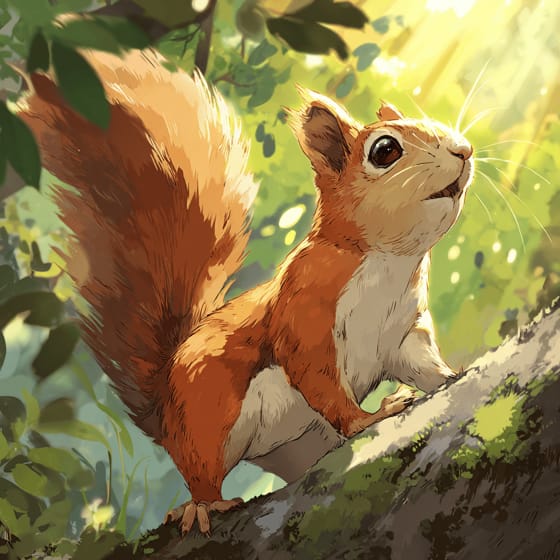
Sciurus carolinensis
collects and consumes pine seeds from cones.

Aegolius acadicus
nests in dense pine forests, using them for cover.
Suillus luteus
forms beneficial underground partnerships with pine roots.
Dendroctonus ponderosae
bores into the bark, often killing stressed or weak trees.
Social animals live in organized groups, cooperating for survival benefits such as foraging, defense, and raising offspring.
Arboreal animals live primarily in trees, utilizing them for shelter, food, and protection from predators.
This trait characterizes organisms whose diet consists entirely or primarily of plant material.
Forest habitats are terrestrial environments dominated by dense tree cover, supporting a high diversity of plant and animal life.

Diurnal animals are primarily active during daylight hours, typically resting or sleeping at night.
Danger
1/5 · Very low
Be careful not to touch sharp pine needles.
The easiest way to identify Pine Family is to use the Snappit nature identifier app.
1500-7500 cm
300-2000 cm
Spring
Yes
None
Perennial
Wind
Zoom in to split clusters and explore where this object has been snapped.
Recent snaps will appear here as new observations are added.
Take the discovery with you
Snap it with Snappit to identify it, learn what makes it special, and add the discovery to your collection.








.jpg&width=800)



_001.jpg&width=800)




