





Northern Saw-whet Owl
Aegolius acadicus
The Northern Saw-whet Owl is a small, cute owl with big round eyes and soft feathers. They are known for their sweet, whistling calls and love to hide in trees during the day.
Habitat: Forests
The Northern Saw-whet Owl is a very small, stocky owl with a large, rounded head and no ear tufts. It has mottled brown and white plumage, bright yellow eyes, and a distinctive white 'V' marking on its face.
Category
BirdsRarity
Common
Danger
1/5 · Very low
Snaps
2
Scientists often use special mist nets to catch and study these secretive owls, as they are so well hidden!
Their distinct 'too-too-too' call sounds like a saw being sharpened, giving them their unique name!
They are so quiet, they can sometimes be gently handled by humans without waking up!
This tiny owl is a fierce hunter, capable of catching prey much larger than itself, like small rabbits!
Northern Saw-whet Owl can fly silently because of specialized wing feathers that help them surprise prey.
Northern Saw-whet Owl has asymmetrical ears that help them pinpoint prey in total darkness using sound.
Northern Saw-whet Owl can rotate its head up to 270 degrees because their eyes are fixed in their sockets.
Northern Saw-whet Owl has cryptic brown and white plumage that helps them blend perfectly with tree bark during the day.
These tiny owls are skilled nocturnal hunters, preying mainly on small mammals and insects.
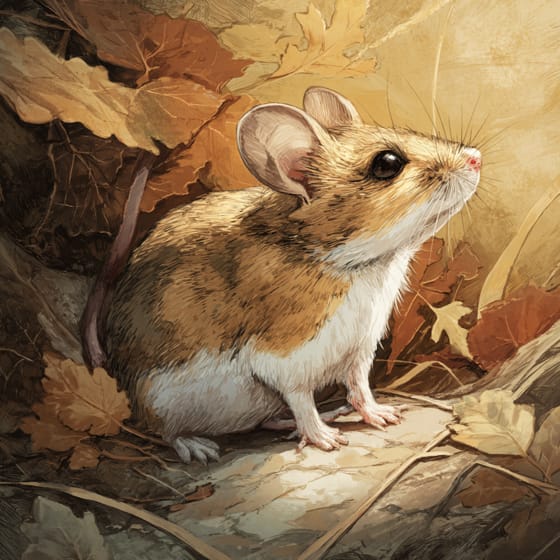
Peromyscus maniculatus
Key food source in their forested habitats.
Microtus pennsylvanicus
Frequently targeted small rodent prey.
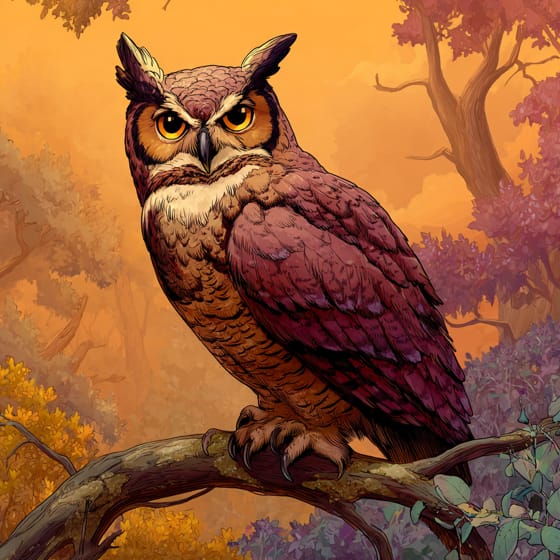
Bubo virginianus
A larger, dominant owl predator.
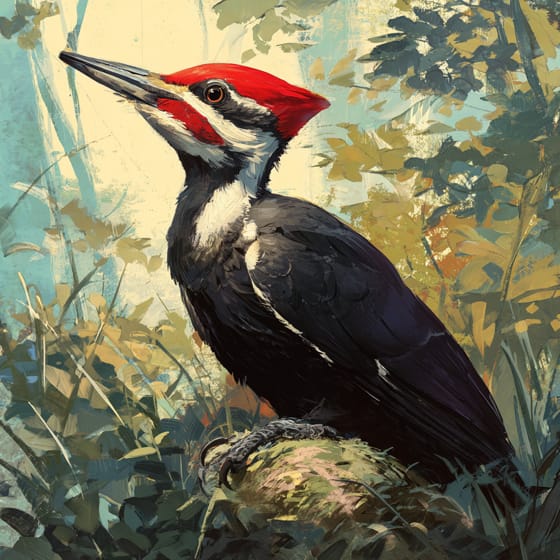
Dryocopus pileatus
Often uses old nest cavities excavated by this woodpecker.
Feathered describes animals, primarily birds, possessing a covering of feathers.
Marked with spots or patches of a different color.
Solitary animals live alone for most of their lives, only interacting with others for mating or parental care.
Camouflaged describes organisms that possess coloring or patterns that allow them to blend into their environment.

An ambush predator hunts by patiently waiting and concealing itself, then launching a sudden attack when unsuspecting prey comes within range.

Forest habitats are terrestrial environments dominated by dense tree cover, supporting a high diversity of plant and animal life.

This trait identifies organisms whose diet consists entirely or primarily of animal tissue.

Nocturnal animals are primarily active during the nighttime hours, typically resting or sleeping during the day.
Danger
1/5 · Very low
If you see an owl, watch quietly from a distance and don't disturb it.
The easiest way to identify Northern Saw-whet Owl is to use the Snappit nature identifier app.
18-21 cm
42-48 cm
0.065-0.15 kg
2-7 years
35 km/h
These tiny owls are skilled nocturnal hunters, preying mainly on small mammals and insects.
Forests
Zoom in to split clusters and explore where this object has been snapped.

California, US
You might spot Great Blue Heron, Western Gull, and Coyote.
View guide →

West Virginia, US
You might spot Spotted Lanternfly and Eastern Box Turtle.
View guide →
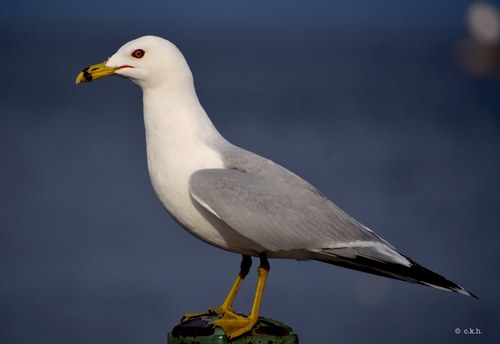
Washington, US
You might spot Ring-Billed Gull, Canada Goose, and Northern Saw-Whet Owl.
View guide →
Take the discovery with you
Snap it with Snappit to identify it, learn what makes it special, and add the discovery to your collection.




.jpg&width=800)






