Pinewood Gingertail
xeromphalina campanella
The Pinewood Gingertail is a bright orange mushroom that looks like a little bell! It grows on decaying wood, helping nature recycle nutrients.
Habitat: Found in pine forests, often on decaying wood.
The Pinewood Gingertail has a tiny, bell-shaped cap, often bright orange-yellow fading to reddish-brown. Its thin stem is the same fiery color, and the gills underneath are distinctively ribbed, radiating like spokes on a wheel.
Category
FungiRarity
Common
Danger
1/5 · Very low
Snaps
2
Despite being tiny, these fungi are mighty forest recyclers.
Look closely at its gills; they look like tiny bicycle spokes!
Their scientific name, campanella, means 'little bell' in Latin.
You might spot them growing in huge clusters, like a mushroom party!
Pinewood Gingertail can glow faintly in the dark because it has special chemicals that create light without heat.
Pinewood Gingertail has powerful enzymes that help them break down tough dead wood, recycling nutrients back into the forest soil.
Pinewood Gingertail has a remarkably wiry stem that helps them stand upright, even after drying out.
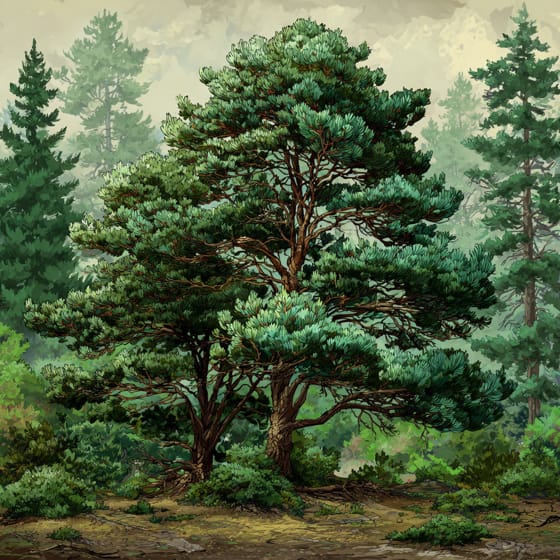
Pinus strobus
Decomposes dead wood from this conifer species.
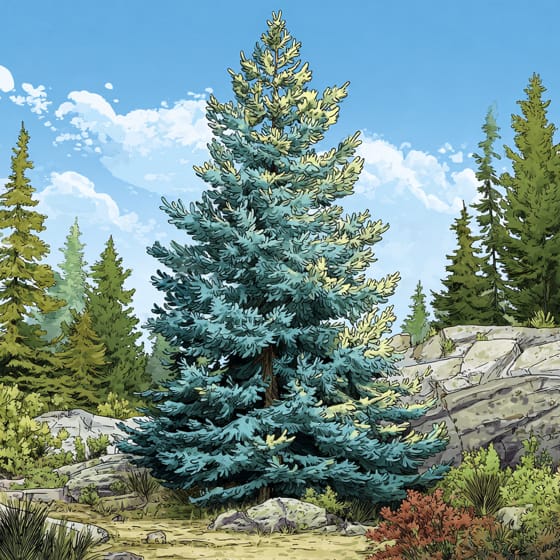
Picea glauca
Breaks down fallen logs and stumps of this tree.
Bradysia difformis
Larvae of this gnat sometimes feed on fungal tissue.
Solitary animals live alone for most of their lives, only interacting with others for mating or parental care.
Colorful describes organisms or objects displaying a wide range of bright and distinct colors.
Describes organisms that break down dead organic material, recycling nutrients back into the ecosystem.
Forest habitats are terrestrial environments dominated by dense tree cover, supporting a high diversity of plant and animal life.
Danger
1/5 · Very low
Do not touch or eat wild mushrooms without adult supervision.
The easiest way to identify Pinewood Gingertail is to use the Snappit nature identifier app.
1-6 cm
inedible
0.5-2.5 cm
Found in pine forests, often on decaying wood.
wood
Spring to fall
White
Zoom in to split clusters and explore where this object has been snapped.

Montana, US
You might spot Sticky Geranium, White-Tailed Deer, and Common Toadflax.
View guide →

New Hampshire, US
You might spot White-Tailed Deer and Eastern White Pine.
View guide →
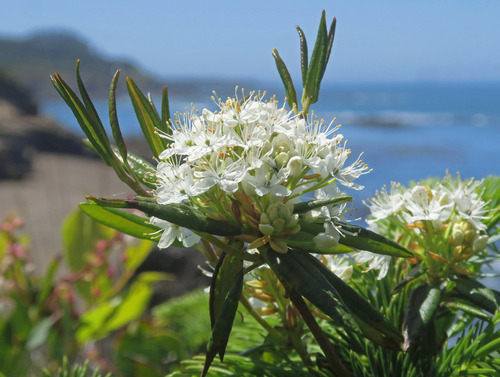
British Columbia, CA
You might spot Western Labrador Tea and Grouse Whortleberry.
View guide →
Take the discovery with you
Snap it with Snappit to identify it, learn what makes it special, and add the discovery to your collection.