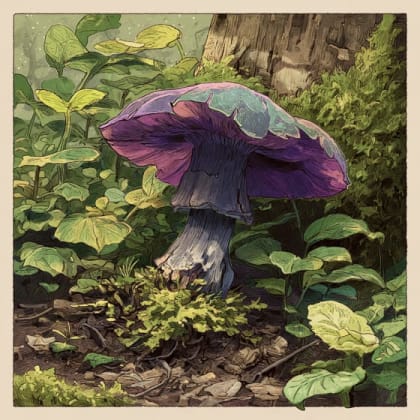




Lodgepole Pine
### Pennask Creek Provincial Park: A Vital Aquatic Sanctuary
### Pennask Creek Provincial Park: A Vital Aquatic Sanctuary
Pennask Creek Provincial Park, a serene haven nestled along Highway 97C, approximately 50 kilometers west of Kelowna, is far more than just a scenic stop; it's a globally significant sanctuary dedicated to the survival of British Columbia's iconic rainbow trout. Established with a primary mission of conservation, this unique park protects one of the most important rainbow trout brood fisheries in the province. Each spring, the creek becomes a stage for a remarkable natural event as thousands of wild rainbow trout journey upstream from Pennask Lake to spawn, a spectacle critical to maintaining healthy fish populations throughout BC. The park's untouched environment, featuring mature Lodgepole pine forests and wetlands, underscores its role as a vital ecological treasure.
While the park's primary focus is ecological preservation, its landscapes offer glimpses into a rich natural world. Beyond the crucial rainbow trout, visitors might observe other fascinating species that call this ecosystem home. The dense forests are dominated by Lodgepole pine, interspersed with Englemann spruce and subalpine fir, creating a robust habitat for various wildlife. Keep an eye out for birds such as the Common Raven and Canada Jay, or listen for the distinctive calls of the Spruce Grouse. Mammals like Moose, American Black Bear, and Mule Deer are also part of this vibrant ecosystem, though their presence highlights the wild, untamed nature of the park and the need for respectful distance.
Visiting Pennask Creek Provincial Park offers a unique opportunity to connect with a critical conservation effort. It's a place where the delicate balance of nature takes precedence, providing a humbling perspective on the importance of protecting wild spaces. The limited public access ensures that the biologically exceptional trout spawning habitat remains undisturbed, safeguarding this irreplaceable natural resource for future generations. For those seeking to witness nature's resilience and understand the profound impact of conservation, Pennask Creek Provincial Park offers a memorable and educational experience. Enhance your adventure: download the Snappit app to identify the local species you encounter.
Pennask Creek Provincial Park was officially established on April 18, 2001, specifically to protect an internationally significant rainbow trout brood fishery. Its creation followed recommendations from the Okanagan-Shuswap Land and Resource Management Plan in 2000, which recognized the creek's crucial role as a primary source for British Columbia's provincial fish stocking program. The park's core mission is centered around the Pennask strain of rainbow trout, a wild genetic line whose eggs have been harvested since 1927 for provincial hatcheries. Annually, between 15,000 and 25,000 wild rainbow trout migrate from Pennask Lake to spawn in Pennask Creek during May and June. A portion of these eggs—approximately two million each year—are carefully collected from about 10 percent of the spawning female trout and sent to the Summerland Trout Hatchery. These raised fish are then used to stock rainbow trout populations across the province, highlighting the park's indispensable contribution to sport fishing and aquatic biodiversity in British Columbia.
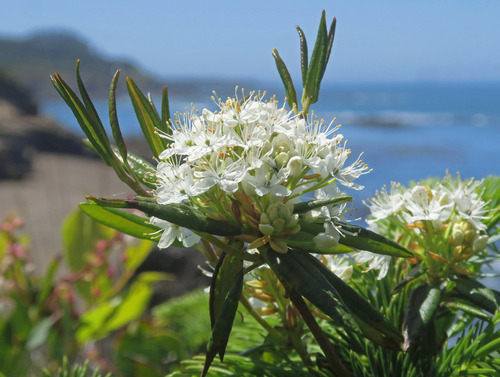
Visitors can engage in low-intensity viewing of fish spawning during May and June, respecting all access restrictions. Observe the diverse plant life, including Lodgepole pine, Grouse Whortleberry, and Western Labrador Tea. Keep an eye out for local wildlife such as Canada Jay, Common Raven, and potentially larger mammals like Moose and American Black Bear from a safe and respectful distance.
Spring (May-June): Peak time for rainbow trout spawning, offering the most unique viewing opportunity. Access may be restricted to protect the fishery.
Summer (June-August): Warmer weather, full bloom of flora, and opportunities for general nature observation.
Fall/Winter: Access may be extremely difficult or restricted due to harsh weather and snowfall.
Pennask Creek Provincial Park is bisected by Highway 97C. However, the park is not developed for extensive public recreation, and accessibility for trails or specific viewing platforms is likely very limited or non-existent to protect the sensitive ecosystem.
The primary highlight is the biological significance of the Pennask Creek rainbow trout brood fishery and, during the spawning season, the opportunity for low-intensity viewing of the spawning trout. The mature Lodgepole pine forests also offer a glimpse into a pristine interior forest ecosystem.
Each card links to a full Explore page with photos, traits, and fun facts.
Start with the big picture, then zoom in to explore individual wildlife observations around this place.
Respect Conservation
Understand that the park's primary role is conservation. Adhere strictly to any posted signs regarding access restrictions and sensitive areas.
Visit during Spawning Season (with limited access): If your goal is to potentially observe the rainbow trout spawning, plan your visit for May and June, but be prepared for very limited, low-intensity viewing opportunities from designated areas.
Practice Leave No Trace
Carry out everything you bring in. The park is a sensitive ecological area, and minimizing your impact is crucial.
Bring Binoculars
For wildlife viewing, especially during the spawning season, binoculars will be essential for observing from a respectful distance.
Be Wildlife Aware
While rare, larger animals like American Black Bear and Moose are present. Store food properly and maintain a safe distance from all wildlife.
Check BC Parks Advisories
Before visiting, check the official BC Parks website for Pennask Creek Park for any current advisories, access restrictions, or information on specific viewing opportunities.
Jul 16, 2018
Jul 16, 2018
Jul 16, 2018

Maryland, US
You might spot White-Tailed Deer and Eastern Gray Squirrel.
View guide →
.jpg)
District of Columbia, US
You might spot Eastern Gray Squirrel, Duck, and House Sparrow.
View guide →

Illinois, US
You might spot American Robin, Canada Goose, and House Sparrow.
View guide →

Virginia, US
You might spot Spotted Lanternfly and Northern Cardinal.
View guide →
Take the discovery with you
Identify the wildlife you spot, learn as you go, and keep a collection of the adventure.