



White Tailed Deer

The Lower Village District in Claremont, New Hampshire, is a preserved historic industrial area brimming with architectural charm.
The Lower Village District in Claremont, New Hampshire, is a preserved historic industrial area brimming with architectural charm. This district is a tangible link to New England's manufacturing legacy, offering visitors a unique glimpse into the 19th and early 20th-century industrial boom that shaped the region. It's special because it encapsulates a significant sequence of industrial, commercial, institutional, and residential development, designated on the National Register of Historic Places.
Wandering through the district reveals a captivating array of architectural styles, most notably the well-preserved Greek Revival homes that line Central Street, many featuring temple-style porticoes. Visitors can admire the imposing Sullivan Manufacturing Company buildings along Main Street, known for their continuous four-story masonry facade, and the historic Sugar River Mill at 159 Main Street, a prominent Greek Revival brick structure. The area also features other significant industrial and commercial buildings, alongside the striking St. Mary's Roman Catholic Church on Central Street, reflecting later periods of redevelopment.
Visiting the Lower Village District is an opportunity to step back in time, appreciating the intricate brickwork and the scale of early industrial enterprises. It offers a memorable experience for those interested in local history and architecture, providing a serene backdrop for photography and leisurely exploration along the Sugar River, which was the lifeblood of its development. The district's cohesive blend of residential and industrial structures tells a powerful story of community and enterprise, making it a compelling destination for a historical walk. Enhance your adventure: download the Snappit app to identify the local species you encounter.
The Lower Village District's development commenced in the 1830s, driven by the Claremont Mill Company which recognized the power potential of the Sugar River. The company acquired a substantial tract of land below the town center, leading to the construction of mills and worker housing between the 1830s and 1860s. This initial phase saw the rise of numerous Greek Revival-style houses and key industrial buildings like the Sugar River Mill. A second significant period of expansion and redevelopment occurred between 1890 and 1920, with the establishment of major operations by the Sullivan Machinery Corporation on the south side of the river. This era brought about new industrial facilities, housing, and the construction of St. Mary's Roman Catholic Church, further cementing the district's industrial and residential character. The district was officially added to the U.S. National Register of Historic Places on February 21, 1978, acknowledging its historical significance.
Take a self-guided architectural tour, photograph the historic buildings, learn about Claremont's industrial heritage, and enjoy a peaceful stroll along the Sugar River. Consider combining your visit with the adjoining Monadnock Mills Historic District for a broader historical context.
Fall provides vibrant foliage. Summer and spring are ideal for outdoor exploration. While winter can be scenic, colder temperatures might make extended walking less comfortable.
As a historic district, expect sidewalks and streets. Specific accessibility features like ramps for individual buildings are not widely published but general public areas should be reasonably accessible for walking.
The Greek Revival homes on Central Street, the imposing facade of the Sullivan Manufacturing Company, the Sugar River Mill, and St. Mary's Roman Catholic Church are central points of interest. Don't miss the picturesque views of the Sugar River and the historic Main Street bridge area.
Each card links to a full Explore page with photos, traits, and fun facts.
Start with the big picture, then zoom in to explore individual wildlife observations around this place.
Wear comfortable walking shoes to fully enjoy exploring the district's streets and sidewalks.
Bring a camera to capture the intricate architectural details and scenic views of the Sugar River.
Consider researching the specific histories of key buildings beforehand to enrich your self-guided tour.
Combine your visit with the adjacent Downtown Claremont area for more historical sites and local amenities.
Look for any historical markers or interpretive signs that might provide additional context about the buildings and the district's past.
Plan your visit during daylight hours to best appreciate the architectural features and natural surroundings.
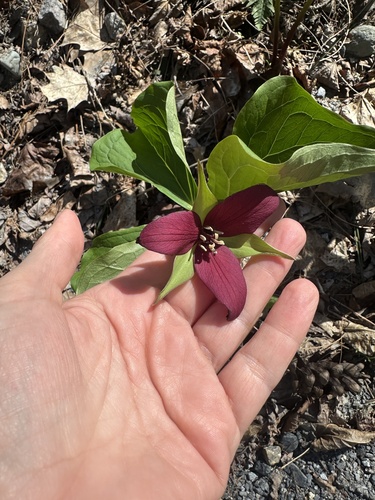
Apr 27, 2026
Photo attribution
(c) Jaime McGuigan, some rights reserved (CC BY)
License: CC BY 4.0 ↗
Image may be shown cropped inside the card frame.
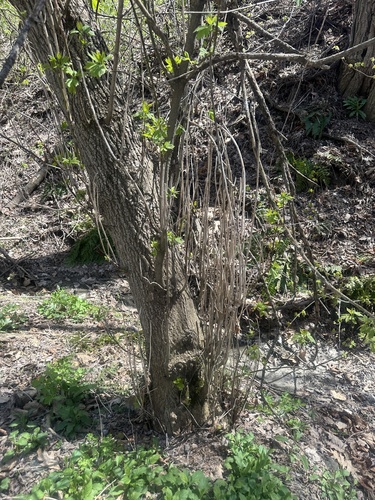
Apr 27, 2026
Photo attribution
(c) Jaime McGuigan, some rights reserved (CC BY)
License: CC BY 4.0 ↗
Image may be shown cropped inside the card frame.
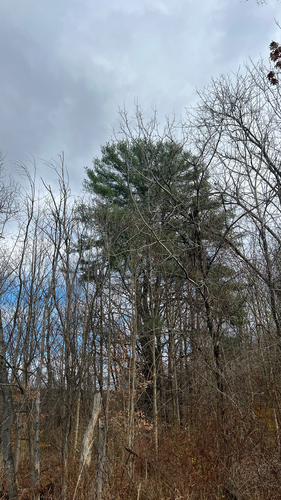
Nov 14, 2025
Photo attribution
no rights reserved
License: CC0 1.0 ↗
Image may be shown cropped inside the card frame.
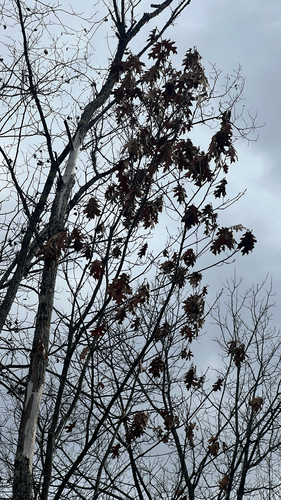
Nov 14, 2025
Photo attribution
no rights reserved
License: CC0 1.0 ↗
Image may be shown cropped inside the card frame.
Aug 29, 2025
Photo attribution
(c) Steven Lamonde, some rights reserved (CC BY)
License: CC BY 4.0 ↗
Image may be shown cropped inside the card frame.

Maryland, US
You might spot White-Tailed Deer and Eastern Gray Squirrel.
View guide →
.jpg)
District of Columbia, US
You might spot Eastern Gray Squirrel, Duck, and House Sparrow.
View guide →

Illinois, US
You might spot American Robin, Canada Goose, and House Sparrow.
View guide →

Virginia, US
You might spot Spotted Lanternfly and Northern Cardinal.
View guide →
Take the discovery with you
Identify the wildlife you spot, learn as you go, and keep a collection of the adventure.