Pinkgills
entoloma
Pinkgills are colorful mushrooms that can brighten up the forest floor! They have a special pink gill structure that makes them look very unique.
Habitat: Forests, particularly in damp and shady areas.
The Pinkgills typically has a cap that can be conical, bell-shaped, or flattened, often in shades of white, grey, or brown. Its most distinctive feature is the pink gills found underneath the cap, which become more pronounced as the spores mature. These pink gills make it visually different from most other mushrooms.
Category
FungiRarity
Common
Danger
0/5 · No known danger
Snaps
Be the first to snap!
Many Pinkgill species are tricky to identify, even for expert mushroom hunters.
Some Pinkgills smell like flour or even fish when fresh!
Their pink gills aren't always bright pink; they darken as spores mature!
There are hundreds of different Pinkgill species found worldwide!
Pinkgills can release millions of pink spores, helping them spread far and wide to new growing spots.
Pinkgills has special enzymes that helps them break down dead plants, returning vital nutrients to the soil.

Arion ater
Slugs munch on their caps.
Sciurus carolinensis
Squirrels sometimes nibble on them.
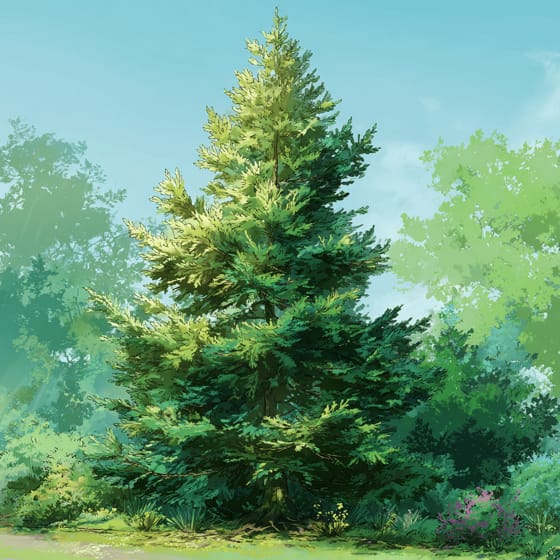
Picea abies
Breaks down dead spruce needles.
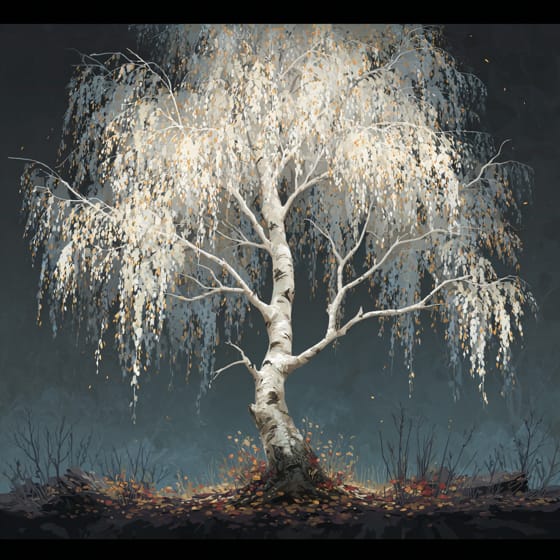
Betula pendula
Decomposes fallen birch leaves.
Solitary animals live alone for most of their lives, only interacting with others for mating or parental care.
Colorful describes organisms or objects displaying a wide range of bright and distinct colors.
Describes organisms that break down dead organic material, recycling nutrients back into the ecosystem.
Forest habitats are terrestrial environments dominated by dense tree cover, supporting a high diversity of plant and animal life.

Diurnal animals are primarily active during daylight hours, typically resting or sleeping at night.
Danger
0/5 · No known danger
Always ask an adult before touching or picking mushrooms.
The easiest way to identify Pinkgills is to use the Snappit nature identifier app.
3-15 cm
poisonous
2-10 cm
Forests, particularly in damp and shady areas.
soil
Summer to fall
Pink
Zoom in to split clusters and explore where this object has been snapped.
Recent snaps will appear here as new observations are added.
Take the discovery with you
Snap it with Snappit to identify it, learn what makes it special, and add the discovery to your collection.