Black Slug
Arion ater
The Black Slug is a soft, slimy creature that loves to munch on leaves and plants. They are often found in gardens and damp places, helping to break down dead plants.
Habitat: Urban areas, Gardens
The Black Slug is a large, shiny gastropod mollusk, typically entirely jet-black, though sometimes dark brown or even reddish-orange. It has a wrinkled body, two pairs of retractable tentacles on its head, and a saddle-like mantle towards the front.
Category
InvertebrateRarity
Common
Danger
1/5 · Very low
Snaps
7
Black slugs are hermaphrodites, meaning each slug has both male and female parts!
Did you know slugs have thousands of tiny teeth on a ribbon-like tongue called a radula?
Their slime changes thickness, becoming extra sticky to warn predators or signal danger!
When threatened, they can roll into a ball like a tiny armadillo to protect themselves!
Black Slugs produce thick, sticky mucus that helps them glide across surfaces and deters predators by being unpleasant to eat.
Black Slugs breathe through a special hole called a pneumostome, located on their right side, that helps them take in air.
Black Slugs have shorter front tentacles that can taste and smell their surroundings, helping them find food and navigate.
Black Slugs can flatten their bodies and fit through tiny gaps, allowing them to hide from danger or find new food sources.
Black slugs are nature's recyclers, munching on decaying plants and fungi to keep ecosystems clean!
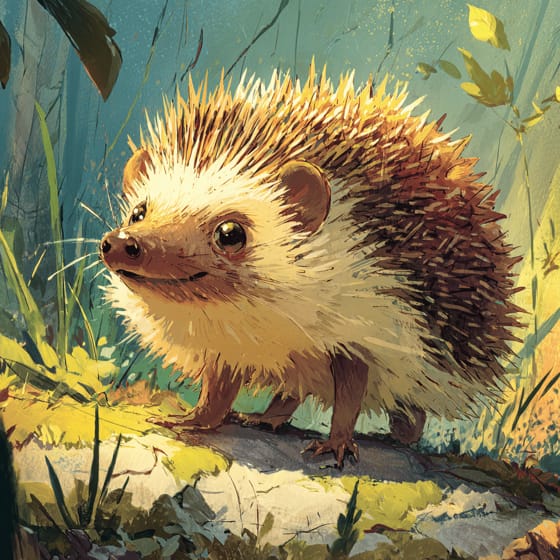
Erinaceus europaeus
Hedgehogs are common predators of slugs in gardens.
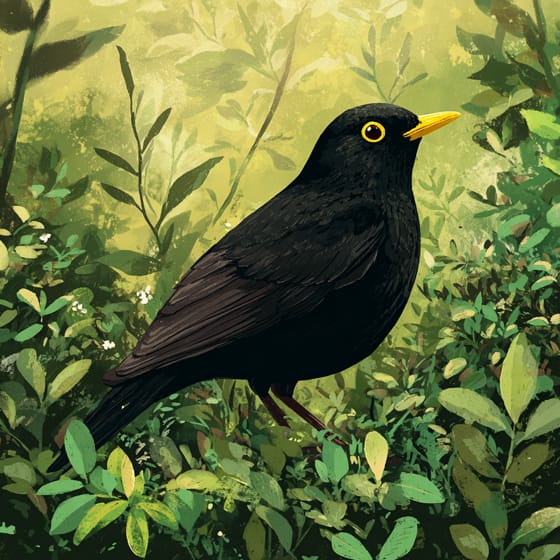
Turdus merula
Blackbirds often feed on slugs, especially smaller ones.

Carabus violaceus
Some ground beetles hunt and eat slugs and their eggs.
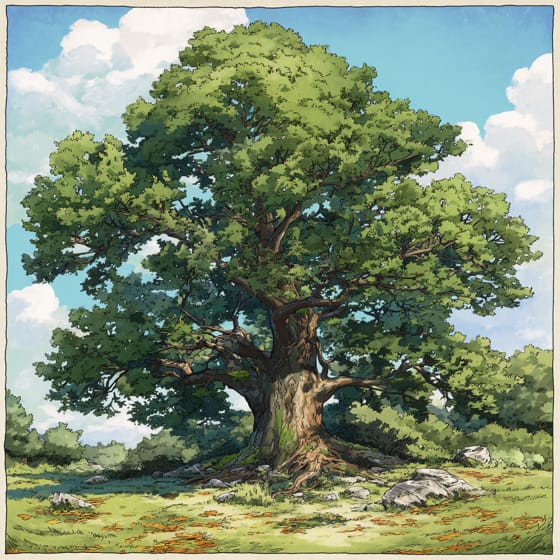
Quercus robur
Black slugs decompose fallen leaves from trees like oaks.
Solitary animals live alone for most of their lives, only interacting with others for mating or parental care.
This trait characterizes organisms whose diet consists entirely or primarily of plant material.
Describes organisms that break down dead organic material, recycling nutrients back into the ecosystem.
This habitat trait indicates species that can coexist with humans in urban and suburban environments, utilizing man-made structures and green spaces.

Nocturnal animals are primarily active during the nighttime hours, typically resting or sleeping during the day.
No aliases listed yet.
Danger
1/5 · Very low
Don't touch slugs with bare hands, as their slime can be slippery.
The easiest way to identify Black Slug is to use the Snappit nature identifier app.
100-150 mm
365-730 days
Black slugs are nature's recyclers, munching on decaying plants and fungi to keep ecosystems clean!
Urban areas, Gardens
Foraging
0
Zoom in to split clusters and explore where this object has been snapped.

Washington, US
You might spot Pacific Banana Slug and Oregon Forestsnail.
View guide →

Washington, US
You might spot Northern Flicker, American Robin, and Great Blue Heron.
View guide →

Washington, US
You might spot Pacific Banana Slug, Western Sword Fern, and Elk.
View guide →
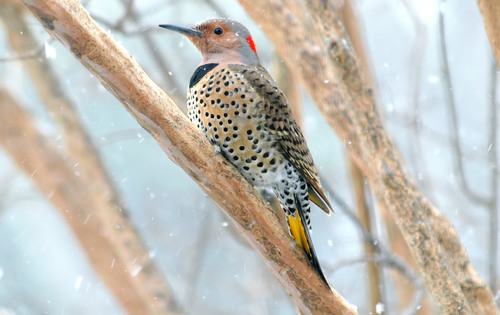
British Columbia, CA
You might spot Northern Flicker and Indian Peafowl.
View guide →

Montana, US
You might spot Western Toad and Mountain Lady's-Slipper.
View guide →

Washington, US
You might spot Purple Shore Crab, Western Bunchberry, and Mule Deer.
View guide →
Take the discovery with you
Snap it with Snappit to identify it, learn what makes it special, and add the discovery to your collection.