





Plains Bee Assassin
apiomerus spissipes
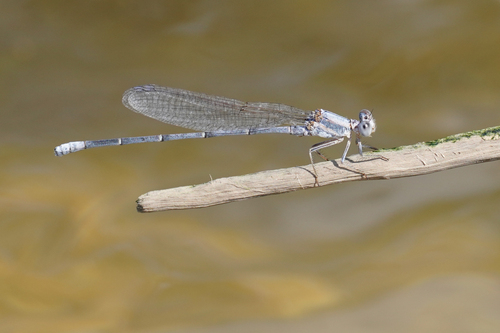
The Plains Bee Assassin is a fascinating insect that uses its special skills to catch other bugs! It has a unique way of blending into its environment, making it a sneaky predator.
Habitat: Fields, gardens, and grassy areas.
The Plains Bee Assassin has a robust, dark brown to black body, often with striking reddish-orange markings on its legs, antennae, and side. Its body is covered in fine hairs, giving it a somewhat fuzzy appearance. This combination of dark and bright colors makes it stand out from many other dark insects.
Category
InsectsRarity
Common
Danger
1/5 · Very low
Snaps
1
Some assassin bugs can make a squeaking warning sound!
Their painful bite uses venom to turn prey into a liquid meal!
There are over 7,000 different kinds of assassin bugs worldwide!
They cover their legs in a sticky, tree-sap-like goo!
Plains Bee Assassin can coat its front legs with sticky resin because this helps them hold onto slippery, struggling prey like bees.
Plains Bee Assassin has a sharp, piercing proboscis that helps them inject venom to paralyze and dissolve their prey's insides.
Plains Bee Assassin can cover itself with plant resin and pollen that helps them camouflage and ambush unsuspecting prey.
These fierce hunters feast on other insects, especially bees and wasps!
Apis mellifera
for food using sticky legs

Bombus impatiens
large, slow-flying targets

Vespula maculifrons
other stinging insects
Musca domestica
various common flying insects
Solitary animals live alone for most of their lives, only interacting with others for mating or parental care.
Grassland habitats are terrestrial biomes dominated by grasses and herbaceous plants, supporting a variety of grazing animals.
This trait identifies organisms whose diet consists entirely or primarily of animal tissue.
Diurnal animals are primarily active during daylight hours, typically resting or sleeping at night.

Describes organisms that transfer pollen, enabling the fertilization and reproduction of plants.
Danger
1/5 · Very low
No special safety notes yet.
The easiest way to identify Plains Bee Assassin is to use the Snappit nature identifier app.
25-35 mm
15-20 mm
60-120 days
These fierce hunters feast on other insects, especially bees and wasps!
Fields, gardens, and grassy areas.
Ambush
6
Zoom in to split clusters and explore where this object has been snapped.
Take the discovery with you
Snap it with Snappit to identify it, learn what makes it special, and add the discovery to your collection.







.jpg&width=800)




