





Planthopper Parasite Moth
Fulgoraecia exigua
The Planthopper Parasite Moth is a tiny insect that loves to hop around plants. Its special wings look like leaves, helping it hide from predators. This little moth is a fun friend in the garden!
Habitat: Forests
The Planthopper Parasite Moth is a tiny insect, usually dark brown or gray, with a fuzzy body and delicate, fringed wings. It's often mistaken for a speck of dust due to its minute size, which makes it blend into its surroundings.
Category
InsectsRarity
Common
Danger
1/5 · Very low
Snaps
1
Adult parasite moths don't eat at all; their only job is to lay eggs!
Baby parasite moths grow inside other bugs, eating them from the inside out!
Female moths lay their eggs on other insects while flying by!
These moths are super tiny, barely bigger than a pencil tip!
Planthopper Parasite Moth larvae can burrow into other insects because of their specialized mouthparts that help them feed.
Planthopper Parasite Moth can lay its tiny eggs directly onto planthoppers, helping its babies find their first meal.
Planthopper Parasite Moth has drab, earthy colors that help them disappear against bark or leaves.
Larvae eat other insects from the inside; adult moths do not feed.
Age differences: Adult moths do not feed, focusing only on reproduction. Larvae are internal parasites of planthoppers.
Prokelisia marginata
Its larvae develop inside this planthopper.
Spartina alterniflora
This plant provides habitat for its planthopper hosts.
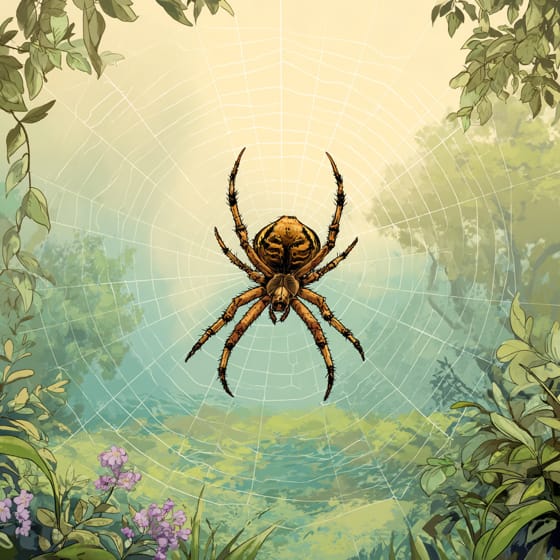
Argiope aurantia
Adult moths can become prey for spiders.
Solitary animals live alone for most of their lives, only interacting with others for mating or parental care.
Camouflaged describes organisms that possess coloring or patterns that allow them to blend into their environment.
This trait characterizes organisms whose diet consists entirely or primarily of plant material.
Forest habitats are terrestrial environments dominated by dense tree cover, supporting a high diversity of plant and animal life.

Diurnal animals are primarily active during daylight hours, typically resting or sleeping at night.

Describes a species whose presence and role have a disproportionately large effect on its environment.

Pertaining to species that are significantly smaller than typical or average for their kind.

Describes organisms that transfer pollen, enabling the fertilization and reproduction of plants.
No aliases listed yet.
Danger
1/5 · Very low
Look but don't touch! Some insects can be delicate.
The easiest way to identify Planthopper Parasite Moth is to use the Snappit nature identifier app.
5-8 mm
2-3 mm
2-7 days
Larvae eat other insects from the inside; adult moths do not feed.
Forests
6
Zoom in to split clusters and explore where this object has been snapped.
Take the discovery with you
Snap it with Snappit to identify it, learn what makes it special, and add the discovery to your collection.








.jpg&width=800)


