Pleated Inkcap
parasola plicatilis
The Pleated Inkcap is a fun mushroom that looks like a little umbrella! It often pops up in gardens and parks, making it a delightful surprise for little explorers.
Habitat: You can find them in grassy areas, gardens, and forests.
The Pleated Inkcap has a delicate, bell-shaped cap that flattens out, developing distinct pleats like a tiny fan. Its cap is pale greyish-brown to whitish, often with a tiny, darker central disc. The slender, translucent stem makes it appear very fragile and ephemeral.
Category
FungiRarity
Common
Danger
1/5 · Very low
Snaps
2
Despite its fragile look, it helps recycle nutrients in your lawn and garden.
Its entire cap can deliquesce into a dark, inky liquid within mere hours!
Pleated Inkcaps often appear after rain, seemingly overnight like magic!
You might confuse its tiny pleated cap with a mini umbrella left by fairies!
Pleated Inkcap can dissolve into black ink because of unique enzymes that help them efficiently release spores.
Pleated Inkcap has a very short lifespan that helps them quickly reproduce and spread spores widely after rain.
Pleated Inkcap has a deeply grooved cap that helps increase its surface area for effective spore dispersal.
Festuca rubra
Decomposes dead grass blades, recycling vital nutrients back into the soil.
Arion rufus
Slugs and snails sometimes graze on its delicate cap, making it a food source.
Lumbricus terrestris
Earthworms aerate soil, aiding fungal growth and decomposition processes.
Solitary animals live alone for most of their lives, only interacting with others for mating or parental care.
Colorful describes organisms or objects displaying a wide range of bright and distinct colors.
Describes organisms that break down dead organic material, recycling nutrients back into the ecosystem.
Forest habitats are terrestrial environments dominated by dense tree cover, supporting a high diversity of plant and animal life.

Diurnal animals are primarily active during daylight hours, typically resting or sleeping at night.
Danger
1/5 · Very low
Do not touch or eat wild mushrooms without adult supervision.
The easiest way to identify Pleated Inkcap is to use the Snappit nature identifier app.
3-6 cm
inedible
1-3 cm
You can find them in grassy areas, gardens, and forests.
soil
Late spring to fall
Black
Zoom in to split clusters and explore where this object has been snapped.
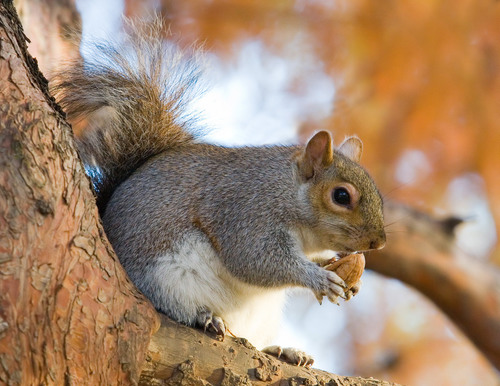
Georgia, US
You might spot Eastern Gray Squirrel, Domestic Cat, and American Robin.
View guide →

Georgia, US
You might spot Eastern Gray Squirrel, Domestic Cat, and Anole.
View guide →

Georgia, US
You might spot Eastern Gray Squirrel, Domestic Cat, and American Robin.
View guide →
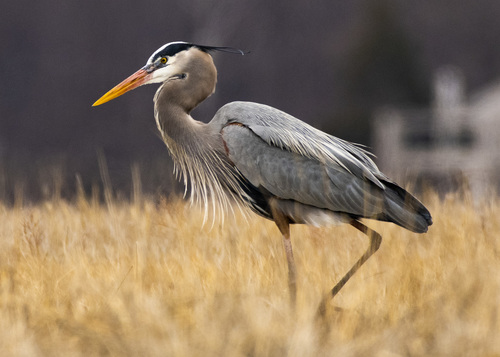
Alabama, US
You might spot Great Blue Heron, Brown Pelican, and White Pitcher Plant.
View guide →
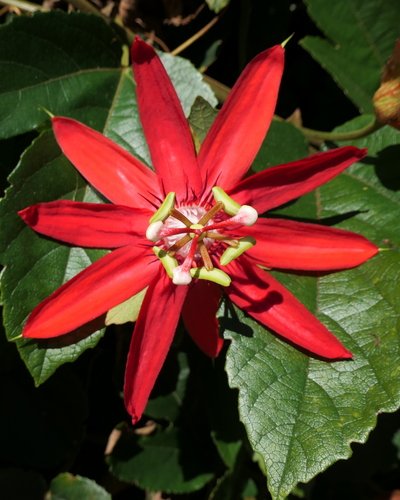
Florida, US
You might spot Passiflora 'scarlet Flame' and Carolina Burying Beetle.
View guide →
Take the discovery with you
Snap it with Snappit to identify it, learn what makes it special, and add the discovery to your collection.