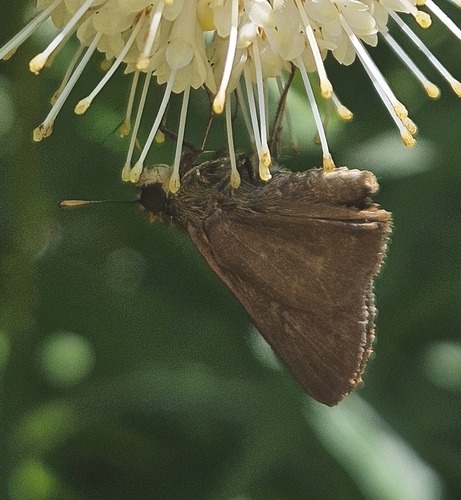
Eastern Gray Squirrel

Techwood Homes stands as a monumental landmark in American history.
Techwood Homes stands as a monumental landmark in American history. It was the very first federally funded public housing project in the United States, inaugurated in 1935 as a beacon of President Franklin D. Roosevelt's New Deal. This pioneering development, characterized by its modified Georgian architectural style, replaced a dilapidated slum known as Techwood Flats, offering modern amenities, green spaces, playgrounds, and community facilities to its initial white residents. Techwood Homes set the standard for future public housing initiatives, aiming to provide safe, affordable, and sanitary living conditions and influence the Housing Act of 1937.
While much of the original complex was demolished for the 1996 Summer Olympics, the site has been reimagined as Centennial Place, a mixed-income community. However, select original structures, such as the distinctive Cupola Building and a section of historic buildings including Building No. 11, remain, offering tangible connections to this pivotal era of urban planning and social reform. These architectural remnants, along with historical markers, invite visitors to reflect on the complex legacy of public housing in America.
Visiting the former site of Techwood Homes is an immersive journey into the evolution of urban development and social policy. It’s a compelling destination for those interested in architecture, the New Deal era, and the enduring challenges and transformations of American cities. The blend of historic structures and modern redevelopment provides a unique perspective on Atlanta's dynamic urban landscape. Don't forget to bring the Snappit nature identification app along to scan local species.
Techwood Homes was conceived in 1933 by Atlanta real estate developer Charles F. Palmer, who aimed to clear the impoverished Techwood Flats neighborhood. The project received federal funding through the Public Works Administration (PWA) as part of Roosevelt's New Deal and broke ground in September 1934. President Roosevelt himself dedicated Techwood Homes on November 29, 1935, and tenants began moving into the 604 units, which included amenities like indoor plumbing, electricity, and recreational spaces, in August 1936. The project was designed by architect Flippen David Burge of Burge and Stevens, featuring fireproof brick buildings and a thoughtful layout emphasizing green areas. Initially, due to prevailing segregation policies, Techwood Homes was designated exclusively for white families, displacing many African American residents from the former Techwood Flats. The complex integrated in 1968, leading to a rapid demographic shift. Over time, the project faced challenges, including underfunding and rising crime rates, becoming a symbol of urban blight. In preparation for the 1996 Summer Olympics, most of Techwood Homes was demolished in 1995-1996 and redeveloped into Centennial Place, a mixed-income apartment complex, with only a few original buildings preserved.
Walk through the Centennial Place area to observe the blend of modern architecture with the few remaining historic Techwood Homes buildings. Seek out the historical plaques that explain the origins and evolution of the site. Reflect on the urban planning principles of the New Deal era versus contemporary mixed-income development. The open green spaces and general layout hint at the original design's emphasis on community and healthy living.
Weather considerations are typical for Atlanta. Summers are hot and humid, while spring and fall offer milder temperatures, making outdoor exploration more comfortable. There are no specific seasonal events tied directly to the historical site itself.
As a redeveloped urban area, Centennial Place is generally wheelchair accessible with paved sidewalks and pathways. Access to the interiors of any remaining private residential buildings is unlikely, but the exterior historical structures and markers are publicly viewable.
The primary highlights are the surviving original buildings and the historical narratives they represent. Look for the Cupola Building, which is noted as one of the few remaining original structures. Also, identify other preserved buildings from the original Techwood Homes, such as Building No. 11, known for its modified Georgian architectural style, sturdy construction, and fireproof materials. Historical markers found throughout the area provide context on the site's significance as the nation's first public housing project and its subsequent redevelopment.
Each card links to a full Explore page with photos, traits, and fun facts.
















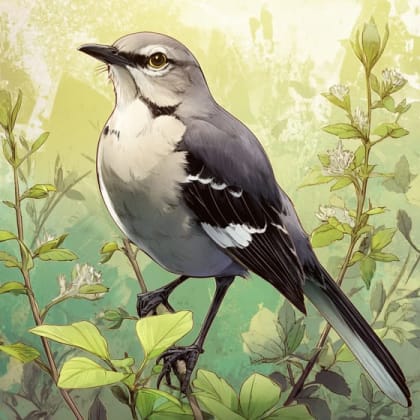

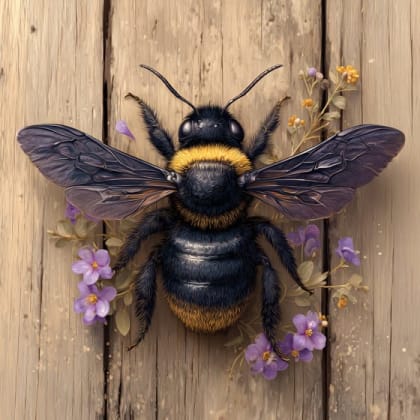





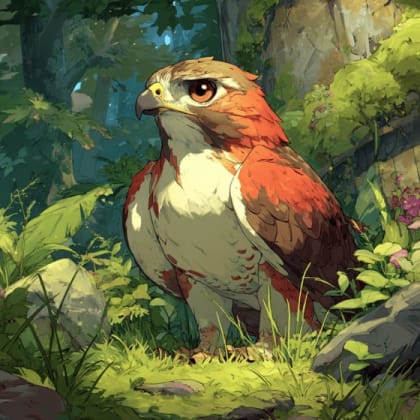





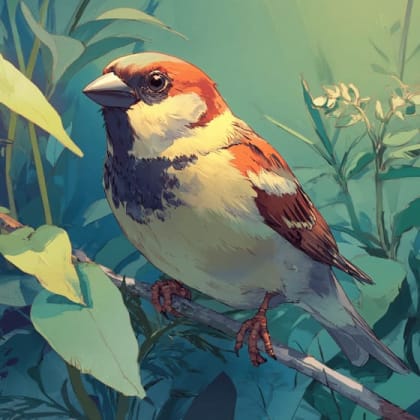























Start with the big picture, then zoom in to explore individual wildlife observations around this place.
Wear comfortable walking shoes, as exploration involves walking through an urban neighborhood.
Bring a camera to capture the unique blend of historic and modern architecture.
Look for informational plaques and markers to understand the rich history of the site.
Consider combining your visit with nearby attractions like Centennial Olympic Park, which also resulted from the 1996 Olympics redevelopment.
Research the exact locations of the remaining original buildings, such as the Cupola Building and Building No. 11, before your visit to ensure you don't miss them.
Be mindful that this is an active residential area, and respect residents' privacy.
Jun 6, 2026
Photo attribution
(c) Daniel Carr, some rights reserved (CC BY)
License: CC BY 4.0 ↗
Image may be shown cropped inside the card frame.
Jun 20, 2026
Jun 19, 2026
Jun 19, 2026
Jun 19, 2026

Maryland, US
You might spot White-Tailed Deer and Eastern Gray Squirrel.
View guide →
.jpg)
District of Columbia, US
You might spot Eastern Gray Squirrel, Duck, and House Sparrow.
View guide →

Illinois, US
You might spot American Robin, Canada Goose, and House Sparrow.
View guide →

Virginia, US
You might spot Spotted Lanternfly and Northern Cardinal.
View guide →
Take the discovery with you
Identify the wildlife you spot, learn as you go, and keep a collection of the adventure.