





Eastern Gray Squirrel

Inman Park is Atlanta's first planned garden suburb, a charming tapestry of Victorian-era architecture, lush green spaces, and vibrant urban culture.
Inman Park is Atlanta's first planned garden suburb, a charming tapestry of Victorian-era architecture, lush green spaces, and vibrant urban culture. This historic district captivates visitors with its tree-lined streets and meticulously preserved homes, offering a picturesque escape within the bustling city. More than just a neighborhood, Inman Park embodies a unique blend of historical grandeur and contemporary energy, making it a truly distinctive destination.
Wander through Inman Park to discover its architectural treasures, including splendid Queen Anne, Romanesque, and Italianate mansions, alongside quaint bungalows and shotgun houses. The neighborhood boasts several delightful green pockets such as Springvale Park, featuring a serene pond often graced by ducks and geese, a short walking trail, and a children's playground. The Inman Park Neighborhood Arboretum further enriches the landscape with a diverse collection of trees, including majestic Live Oaks and various Magnolia species, providing a beautiful backdrop for leisurely strolls. The Atlanta BeltLine Eastside Trail, a vibrant artery of urban connectivity and art, skirts the neighborhood, offering scenic routes for walking and biking, punctuated by intriguing public art installations.
Inman Park invites exploration, offering a rich blend of history, natural beauty, and modern amenities. From admiring the intricate details of a historic home to discovering a new favorite dish at Krog Street Market, every corner reveals something special. It's a place where history is alive, nature thrives in an urban setting, and a strong sense of community welcomes all, promising a memorable visit filled with photographic opportunities and cultural discoveries. Enhance your adventure: download the Snappit app to identify the local species you encounter.
Inman Park holds the distinction of being Atlanta's first planned suburb, conceived in the late 1880s by visionary civil engineer and real estate developer Joel Hurt. Hurt envisioned a "rural oasis" connected to downtown Atlanta by the city's first electric streetcar line along Edgewood Avenue. He named the new suburb after his friend and business associate, Samuel M. Inman. Joseph Forsyth Johnson, a landscape designer, was employed to implement curvilinear street designs and integrate ample open spaces, drawing inspiration from garden suburb principles. The neighborhood flourished, attracting Atlanta's wealthy elite who constructed grand Victorian homes in styles like Queen Anne, Italianate, and Romanesque. Over time, development expanded to include bungalows and foursquares, creating a rich architectural mosaic. After a period of decline in the mid-22th century, Inman Park became one of Atlanta's first intown neighborhoods to undergo extensive restoration and renewal, transforming it into the highly desirable historic district it is today, a testament to its enduring charm and community efforts.
Take a self-guided architectural tour, picnic in Springvale Park, explore the street art in Krog Street Tunnel, grab a meal at Krog Street Market, or enjoy a walk or bike ride on the BeltLine Eastside Trail. Keep an eye out for urban wildlife like ducks and turtles in the parks.
Spring: The annual Inman Park Festival (April) features a parade, home tours, live music, and an arts and crafts market, making it a lively time to visit. Tree canopies are lush, and flowering trees are in bloom.
Summer: Can be hot and humid; early mornings or late afternoons are best for outdoor activities. The tree canopy provides significant shade.
Fall: Pleasant temperatures and beautiful autumn colors make it excellent for walking and exploring.
Winter: Generally mild, offering a good time for walking without the crowds.
The neighborhood is generally walkable, with sidewalks throughout. The Atlanta BeltLine Eastside Trail is paved and accessible for wheelchairs and strollers. Springvale Park has paved paths. Public transportation via MARTA (Inman Park/Reynoldstown station) provides easy access.
Wander the streets to admire the diverse collection of late 19th and early 20th-century homes, particularly the Queen Anne style. The Beath-Dickey House is a notable example.
A serene green space with a pond, playground, and short walking trails.
Walk or bike along this popular trail for urban views, public art, and connectivity to other neighborhoods and attractions like Krog Street Market.
A bustling food hall offering a variety of culinary experiences.
Each card links to a full Explore page with photos, traits, and fun facts.




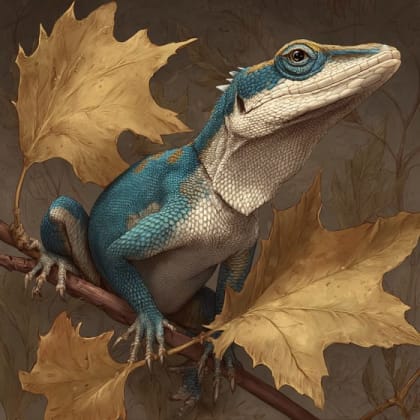











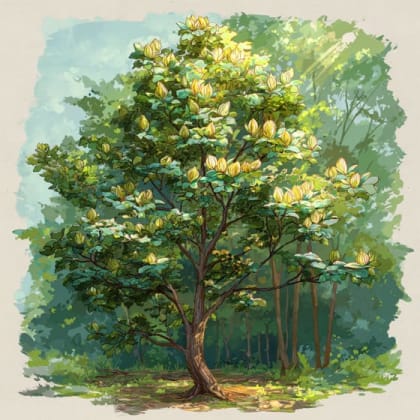



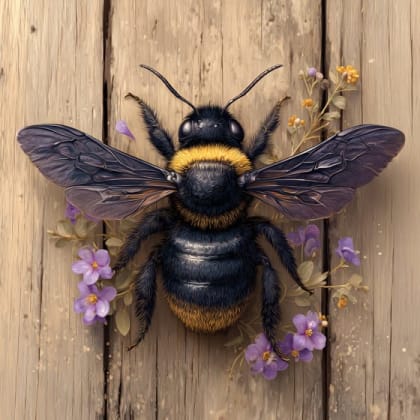



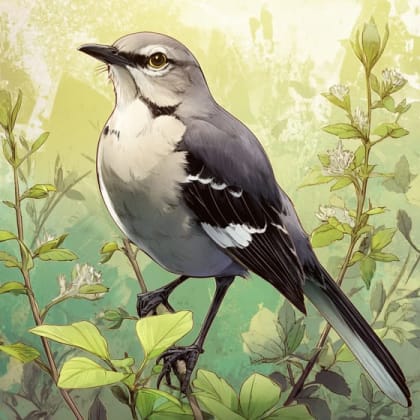




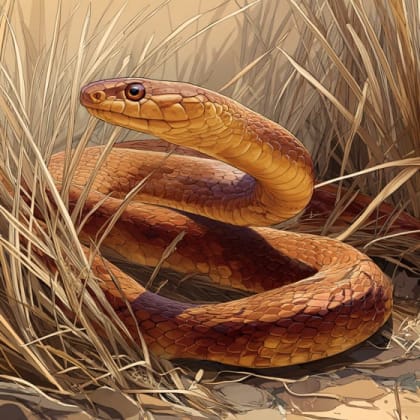




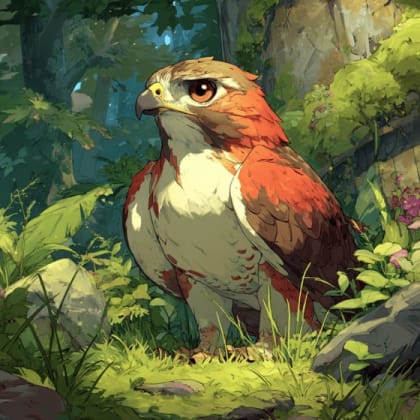
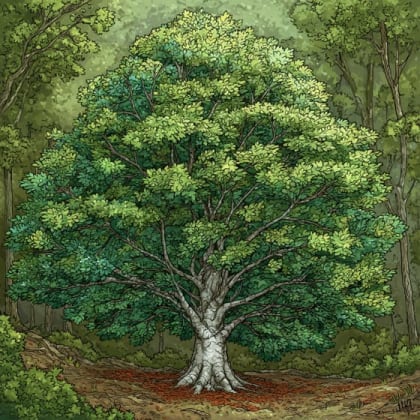








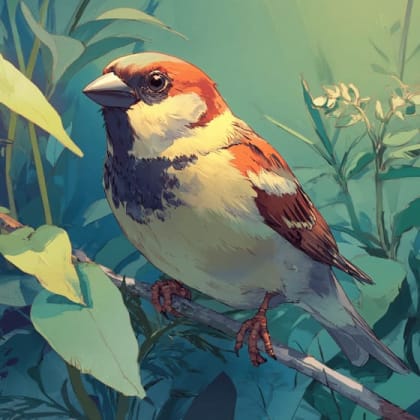








Start with the big picture, then zoom in to explore individual wildlife observations around this place.
Wear comfortable shoes
Exploring Inman Park involves a lot of walking, especially if you plan to cover the BeltLine or extensive architectural tours.
Utilize public transport or ride-sharing: Parking can be limited; the Inman Park/Reynoldstown MARTA station provides convenient access.
Explore the BeltLine Eastside Trail
Don't miss walking or biking a section of the BeltLine for public art, unique perspectives of the city, and access to Krog Street Market.
Visit during the Inman Park Festival
If your visit aligns with April, experience the vibrant community celebration and gain access to historic home tours.
Look for the Butterfly Mural
Keep an eye out for the iconic Inman Park butterfly mural, often found near the BeltLine, a popular photo opportunity.
Seek out specific trees
Use a map of the Inman Park Neighborhood Arboretum to find specific tree species and collections, many of which are marked.
Jun 20, 2026
Jun 20, 2026
Jun 20, 2026
Jun 19, 2026
Jun 19, 2026

Maryland, US
You might spot White-Tailed Deer and Eastern Gray Squirrel.
View guide →
.jpg)
District of Columbia, US
You might spot Eastern Gray Squirrel, Duck, and House Sparrow.
View guide →

Illinois, US
You might spot American Robin, Canada Goose, and House Sparrow.
View guide →

Virginia, US
You might spot Spotted Lanternfly and Northern Cardinal.
View guide →
Take the discovery with you
Identify the wildlife you spot, learn as you go, and keep a collection of the adventure.









