Pluteus Mammillatus
pluteus mammillatus
The Pluteus mammillatus is a fascinating mushroom that can be found growing on decaying wood. Its unique shape and color make it a fun find for little explorers in the forest!
Habitat: Decaying wood in forests and wooded areas.
The Pluteus Mammillatus has a distinctive grey-brown to brownish cap, often with a prominent central bump, making it look nipple-like. Its gills are pale pink and entirely free from the whitish stem, which can be fibrous. It typically grows individually or in small groups.
Category
FungiRarity
Common
Danger
1/5 · Very low
Snaps
Be the first to snap!
It's a 'wood lover,' only growing on dead or decaying trees and logs!
Its spores are naturally pink, creating a pretty rosy print if you collect them!
The 'mammillatus' name comes from its cap's little nipple-like bump!
This mushroom has gills completely free from its stem, like a tiny umbrella skirt!
Pluteus Mammillatus can break down dead wood because of special enzymes that help them return nutrients to the forest floor.
Pluteus Mammillatus has pinkish spores that help them float on air currents to spread rapidly to new growing spots.
Pluteus Mammillatus can grow directly on dead wood because its mycelium acts like tiny roots, anchoring it firmly.
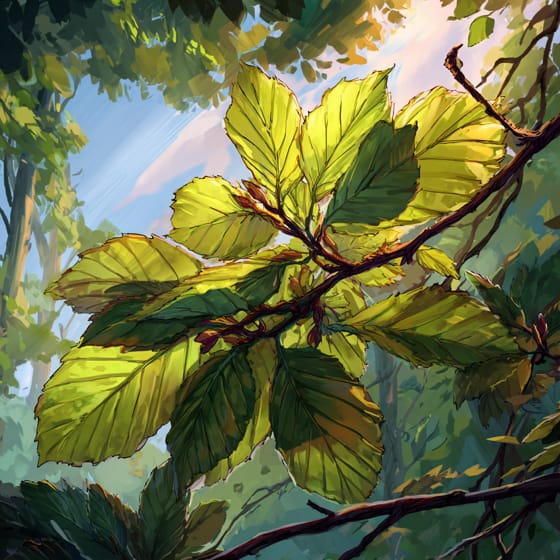
Fagus sylvatica
breaks down dead wood of this tree species.
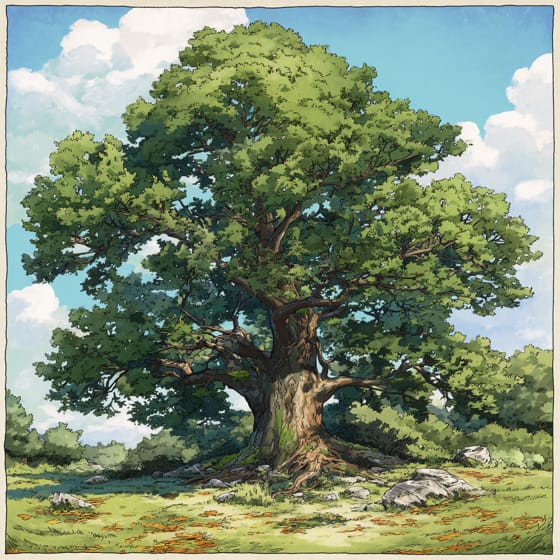
Quercus robur
consumes decaying timber, recycling nutrients.
Mycetophila fungorum
larvae feed on the mushroom's tissues.
Furry describes animals possessing a dense covering of soft hair or fur.
Solitary animals live alone for most of their lives, only interacting with others for mating or parental care.
Colorful describes organisms or objects displaying a wide range of bright and distinct colors.
Describes organisms that break down dead organic material, recycling nutrients back into the ecosystem.

Forest habitats are terrestrial environments dominated by dense tree cover, supporting a high diversity of plant and animal life.
Danger
1/5 · Very low
Always ask an adult before touching or picking mushrooms!
The easiest way to identify Pluteus Mammillatus is to use the Snappit nature identifier app.
3-8 cm
edible
2-5 cm
Decaying wood in forests and wooded areas.
wood
Summer to fall
Pinkish-brown
Zoom in to split clusters and explore where this object has been snapped.
Recent snaps will appear here as new observations are added.
Take the discovery with you
Snap it with Snappit to identify it, learn what makes it special, and add the discovery to your collection.