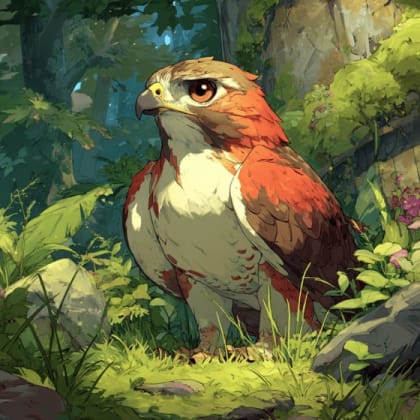
Vulture

Vicksburg National Military Park is more than just a historical site; it's a profound journey through a pivotal moment in American history, nestled amidst a landscape rich in natural beauty.
Vicksburg National Military Park is more than just a historical site; it's a profound journey through a pivotal moment in American history, nestled amidst a landscape rich in natural beauty. Commemorating the decisive 47-day Siege of Vicksburg during the Civil War, the park offers an unparalleled opportunity to walk in the footsteps of soldiers and immerse yourself in the stories that shaped the nation. With its rolling hills, reconstructed earthworks, and over 1,400 monuments and markers, it stands as a solemn and inspiring tribute to the bravery and sacrifice of those who fought here.
Beyond its historical significance, Vicksburg National Military Park is a haven for nature enthusiasts. The park's diverse ecosystems, including glacially-derived loess soil blufflands and dense forest cover, provide critical habitat for a variety of wildlife. Visitors can explore scenic trails, where they might spot White-tailed Deer, Eastern Fox Squirrels, and various bird species such as the Summer Tanager, Turkey Vulture, and Blue Grosbeak. The park is also home to fascinating plant life like the common pawpaw, American sweetgum, and wild comfrey.
This unique blend of history and nature makes Vicksburg National Military Park an ideal destination for families, history buffs, and wildlife enthusiasts alike. Whether you're delving into the intricate details of the Civil War campaign, enjoying a leisurely stroll through picturesque landscapes, or seeking out local flora and fauna, the park offers a memorable and enriching experience that resonates long after your visit. Take the ultimate field guide with you: use the Snappit app to identify birds, plants, and animals on your trip.
Vicksburg National Military Park was established on February 21, 1899, to commemorate and preserve the site of the Siege of Vicksburg. The park protects areas associated with the campaign, siege, and defense of Vicksburg, Mississippi, which was a critical turning point in the Civil War. The city's surrender on July 4, 1863, to Union forces led by Maj. Gen. Ulysses S. Grant effectively split the Confederacy in two and gave the Union control of the Mississippi River, a major objective of the Anaconda Plan. Decades after the war, veterans from both Union and Confederate sides came together in a spirit of reconciliation to preserve the battlefield, leading to the creation of the park and the erection of numerous memorials and monuments to honor the sacrifices made. Today, the park, along with the Vicksburg National Cemetery (established in 1866 as the final resting place for over 17,000 Union soldiers), stands as a powerful testament to this pivotal period in American history.
Take a self-guided driving tour using the park map or app, hire a licensed battlefield guide for an in-depth experience, walk or bike the tour road, or hike the Al Scheller Trail. Don't miss the 20 miles of reconstructed trenches and earthworks.
Spring/Fall: Mild temperatures, beautiful foliage, but potentially larger crowds.
Summer: Living History Programs and Ranger-led programs are typically offered. Can be hot and humid.
Winter: Fewer insects and humidity, with clearer sightlines due to bare trees.
The park is easily explored by car, and restrooms are available along the route. Wheelchairs are available at no charge at the Visitor Center and the USS Cairo. Some braille materials and enhanced audio versions of films are available.
Start here for orientation, a park film ("Here Brothers Fought"), and park rangers to assist with planning your visit.
Explore the park by car, with numerous stops for monuments, markers, and historic sites.
See the restored Union ironclad gunboat, recovered from the Yazoo River, and learn about its history and artifacts.
The final resting place for over 17,000 Union soldiers, it's the largest Union cemetery in America.
Each card links to a full Explore page with photos, traits, and fun facts.
Start with the big picture, then zoom in to explore individual wildlife observations around this place.
Begin your visit at the Visitor Center to watch the park film, grab a map, and get insights from park rangers.
Consider downloading the Vicksburg Battle App or using the cell phone driving tour for enhanced self-guided exploration.
Allocate sufficient time, ideally a full day, to explore the main attractions like the USS Cairo, Vicksburg National Cemetery, and the various monuments.
Wear comfortable shoes for walking, especially if you plan to explore beyond your vehicle, and bring water, particularly during warmer months.
Keep an eye out for wildlife such as Eastern Fox Squirrels and various bird species while exploring the more natural areas of the park.
Check the park's official website for current conditions and alerts, as some areas like the Illinois Memorial or portions of roads may be undergoing restoration or repairs.
Nov 23, 2025
Nov 13, 2025
Sep 26, 2023
Sep 26, 2023
May 21, 2023

Maryland, US
You might spot White-Tailed Deer and Eastern Gray Squirrel.
View guide →
.jpg)
District of Columbia, US
You might spot Eastern Gray Squirrel, Duck, and House Sparrow.
View guide →

Illinois, US
You might spot American Robin, Canada Goose, and House Sparrow.
View guide →

Virginia, US
You might spot Spotted Lanternfly and Northern Cardinal.
View guide →
Take the discovery with you
Identify the wildlife you spot, learn as you go, and keep a collection of the adventure.