





prairie rosinweed
Silphium integrifolium
Prairie rosinweed is a bright yellow flower that grows tall in open fields. Its sticky leaves help it stay strong in the wind, making it a special plant in the prairie.
Habitat: Grasslands
The prairie rosinweed has sturdy, rough stems with dark green, often hairy leaves that attach directly to the stem. Its bright yellow, daisy-like flowers bloom atop tall stalks, often covered in a sticky resin that makes it unique from other prairie flowers.
Category
PlantsRarity
Common
Danger
1/5 · Very low
Snaps
1
Its sticky sap was once chewed like gum by Native American children!
Prairie rosinweed attracts so many helpful insects, it's like a buzzing hotel for pollinators!
Some prairie rosinweed plants can live for decades, making them true prairie elders!
This plant belongs to the sunflower family, but its flowers are smaller and more numerous!
Prairie rosinweed produces a sticky sap that helps protect it from hungry insects and deer by making it unpleasant to chew.
This plant grows a very long taproot, allowing it to reach deep underground water sources during dry prairie summers.
Its sturdy, upright stems and deep roots help the prairie rosinweed stand tall against strong prairie winds.
Bombus impatiens
Bumblebees visit the flowers for nectar and pollen.
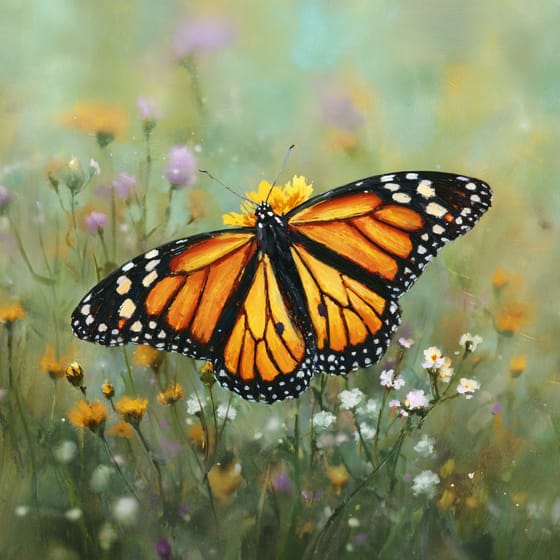
Danaus plexippus
Monarch butterflies sip nectar from its vibrant yellow blooms.

Odocoileus virginianus
Deer sometimes browse its leaves, despite the sticky resin.
Flowering plants are any plants that produce flowers as part of their reproductive cycle.
Summer blooming plants produce their flowers during the summer season, often providing vibrant color when many other plants have finished.
Edible plants are those parts of a plant that are considered safe for human consumption.
Grassland habitats are terrestrial biomes dominated by grasses and herbaceous plants, supporting a variety of grazing animals.

Describes plants that are particularly attractive and beneficial to a wide range of pollinating organisms.
No aliases listed yet.
Danger
1/5 · Very low
Always look but don't touch wild plants, as some can be prickly or cause allergies.
The easiest way to identify prairie rosinweed is to use the Snappit nature identifier app.
80-200 cm
30-60 cm
5-8 cm
Mid-summer to fall
No
None
Perennial
Zoom in to split clusters and explore where this object has been snapped.

Illinois, US
You might spot Dame's Rocket, Ivy-Leaved Toadflax, and Wild Bergamot.
View guide →

Wisconsin, US
You might spot Whooping Crane, Sarus Crane, and Sandhill Crane.
View guide →

Illinois, US
You might spot Illinois Bundleflower, Wild Bergamot, and Cup Plant.
View guide →
Take the discovery with you
Snap it with Snappit to identify it, learn what makes it special, and add the discovery to your collection.








.jpg&width=800)



_001.jpg&width=800)



