.jpg&width=800)





Privet Hawkmoth
Sphinx ligustri
The Privet Hawkmoth is a large, beautiful moth with big wings that look like a bird when it flies. It loves to visit flowers and is often seen at night, making it a special nighttime friend.
Habitat: Gardens and woodlands
The Privet Hawkmoth is a very large moth with distinctive pink and black striped markings on its body. Its forewings are mottled brown-grey, while the hindwings are pinkish-red with thick black bands, setting it apart from smaller, duller moths.
Category
InsectsRarity
Common
Danger
1/5 · Very low
Snaps
Be the first to snap!
Its caterpillar has a spiky 'horn' on its tail, but it's totally harmless!
Some people mistake these giant moths for tiny birds when they see them flying at dusk.
The adult Privet Hawkmoth doesn't eat solid food at all, only sips liquid nectar.
When fully grown, the caterpillar is huge, sometimes longer than an adult human finger!
Privet Hawkmoth can hover precisely in mid-air like a tiny helicopter, allowing them to drink nectar from flowers without landing.
Privet Hawkmoth has a long, coiled 'tongue' called a proboscis that helps them reach sweet nectar deep inside tubular flowers.
Privet Hawkmoth caterpillars can rear up and show a menacing 'horn' on their tail, which helps them scare away potential attackers.
Adults sip nectar from flowers, while their hungry caterpillars munch on leaves.
Age differences: Larvae eat leaves; adults consume only liquid nectar.
Ligustrum vulgare
Caterpillars feed on its leaves.
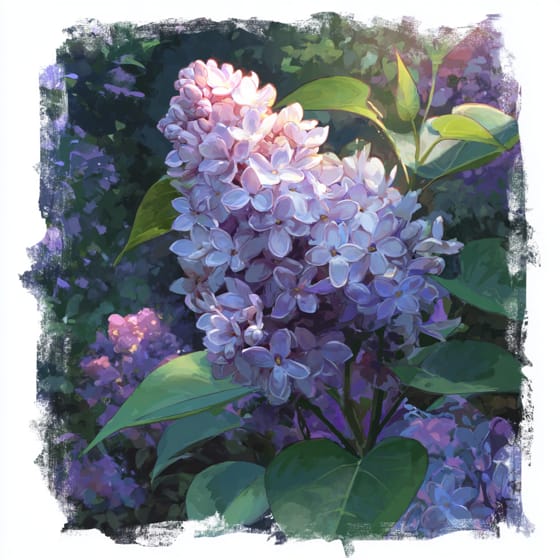
Syringa vulgaris
Its caterpillars munch on lilac leaves.

Strix aluco
Adult moths can be prey for owls.
Pipistrellus pipistrellus
Bats hunt adult moths at night.
Camouflaged describes organisms that possess coloring or patterns that allow them to blend into their environment.
Colorful describes organisms or objects displaying a wide range of bright and distinct colors.
This trait characterizes organisms whose diet consists entirely or primarily of plant material.
Describes plants that are particularly attractive and beneficial to a wide range of pollinating organisms.

Forest habitats are terrestrial environments dominated by dense tree cover, supporting a high diversity of plant and animal life.

This trait identifies organisms that exhibit exceptional swiftness in movement for hunting, escape, or travel.

Nocturnal animals are primarily active during the nighttime hours, typically resting or sleeping during the day.

Describes organisms that transfer pollen, enabling the fertilization and reproduction of plants.
No aliases listed yet.
Danger
1/5 · Very low
Moths are usually safe to watch, but it's best not to touch them.
The easiest way to identify Privet Hawkmoth is to use the Snappit nature identifier app.
90-120 mm
55-60 mm
10-14 days
30-50 km/h
Adults sip nectar from flowers, while their hungry caterpillars munch on leaves.
Gardens and woodlands
Foraging
Zoom in to split clusters and explore where this object has been snapped.
Recent snaps will appear here as new observations are added.
Take the discovery with you
Snap it with Snappit to identify it, learn what makes it special, and add the discovery to your collection.








.jpg&width=800)


