





Purple Beautyberry
callicarpa dichotoma
The Purple Beautyberry is a beautiful plant that produces bright purple berries! Kids love to explore its colorful clusters and learn about how these berries can attract birds and other wildlife.
Habitat: Purple Beautyberries thrive in gardens, woodlands, and along roadsides.
The Purple Beautyberry is a deciduous shrub renowned for its dazzling, iridescent purple berries that cluster tightly along its stems. Its slender branches hold ovate green leaves, making the vibrant fruit pop against the foliage, especially prominent after the leaves drop in autumn.
Category
PlantsRarity
Common
Danger
0/5 · No known danger
Snaps
Be the first to snap!
Ancient people used its crushed leaves as a natural insect repellent!
Birds adore these berries, making them a crucial late-season food source!
Its berries look fake, like tiny jewels glued directly onto the branches!
The name 'Beautyberry' comes from the Greek for 'beautiful fruit'!
Purple Beautyberry can produce hundreds of bright purple berries that attract birds, spreading its seeds widely for new growth.
Its leaves contain natural compounds that can deter some insect pests, protecting the plant from hungry munchers.
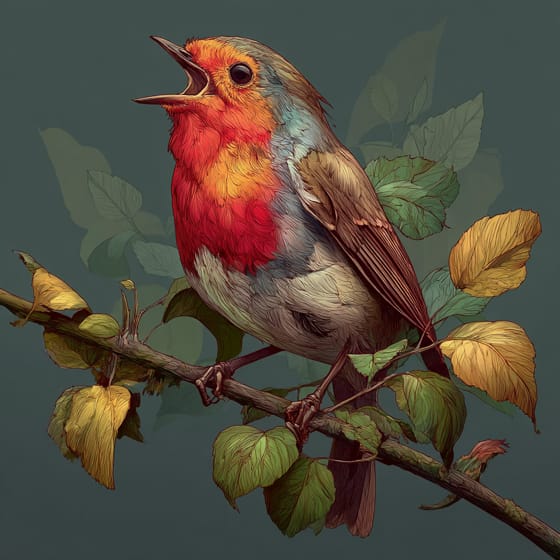
Turdus migratorius
Feeds on abundant late-season berries.
Apis mellifera
Visits small summer flowers for nectar.
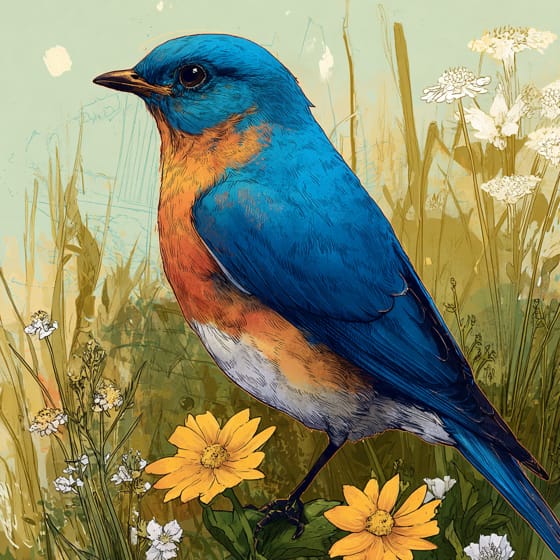
Sialia sialis
Relishes the colorful, persistent berries.
Social animals live in organized groups, cooperating for survival benefits such as foraging, defense, and raising offspring.
Colorful describes organisms or objects displaying a wide range of bright and distinct colors.
This trait characterizes organisms whose diet consists entirely or primarily of plant material.
Forest habitats are terrestrial environments dominated by dense tree cover, supporting a high diversity of plant and animal life.

Diurnal animals are primarily active during daylight hours, typically resting or sleeping at night.
Danger
0/5 · No known danger
No special safety notes yet.
The easiest way to identify Purple Beautyberry is to use the Snappit nature identifier app.
150-250 cm
150-250 cm
0.3-0.5 cm
Summer
Yes
Mild
Perennial
Zoom in to split clusters and explore where this object has been snapped.
Recent snaps will appear here as new observations are added.
Take the discovery with you
Snap it with Snappit to identify it, learn what makes it special, and add the discovery to your collection.








.jpg&width=800)



_001.jpg&width=800)




