





Black Highbush Blueberry
vaccinium fuscatum
The Black Highbush Blueberry is a delightful plant that produces tasty, dark blue berries! Kids love to pick and eat these sweet treats during summer outings in the wild.
Habitat: They typically grow in wetlands, forests, and near rivers.
The Black Highbush Blueberry is a shrub with distinctive reddish stems and small, bell-shaped white or pinkish flowers. Its berries ripen to a deep purplish-black, often covered in a pale, waxy bloom, making them look dusty.
Category
PlantsRarity
Common
Danger
0/5 · No known danger
Snaps
Be the first to snap!
Did you know the darkest blueberries are packed with amazing plant power called anthocyanins?
Its tiny, bell-shaped flowers are perfectly designed for buzzing bumblebees to pollinate!
Some people call it the Hairy Highbush Blueberry because its leaves can feel fuzzy!
This plant often grows with its roots in puddles, loving wet and swampy homes!
Black Highbush Blueberry can thrive in very acidic, boggy soils where other plants struggle to grow.
This plant has super juicy, dark berries that attract birds, helping spread its seeds far and wide.
Its berries have a special waxy coating called a bloom, protecting them from drying out and pests.
Bombus impatiens
Buzzing bees help spread its pollen.
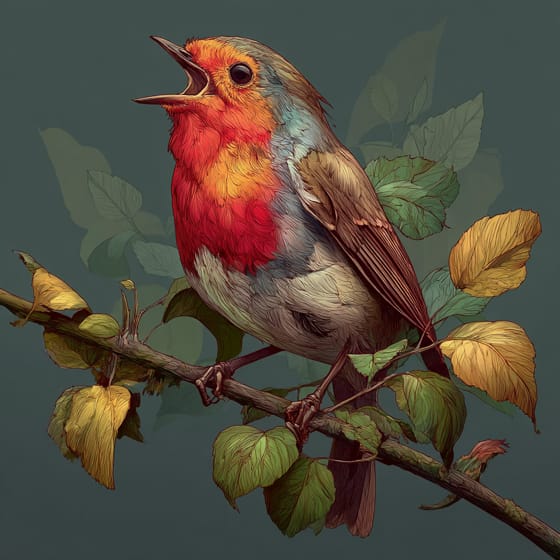
Turdus migratorius
Robins love to snack on its juicy berries.
Ursus americanus
Black bears fatten up on its sweet fruit.

Odocoileus virginianus
Deer sometimes browse its tender leaves.
Social animals live in organized groups, cooperating for survival benefits such as foraging, defense, and raising offspring.
Colorful describes organisms or objects displaying a wide range of bright and distinct colors.
This trait characterizes organisms whose diet consists entirely or primarily of plant material.
Forest habitats are terrestrial environments dominated by dense tree cover, supporting a high diversity of plant and animal life.

Describes organisms that transfer pollen, enabling the fertilization and reproduction of plants.
No aliases listed yet.
Danger
0/5 · No known danger
No special safety notes yet.
The easiest way to identify Black Highbush Blueberry is to use the Snappit nature identifier app.
100-250 cm
100-200 cm
0.5-1 cm
Late spring to early summer
Yes
None
Perennial
Zoom in to split clusters and explore where this object has been snapped.
Recent snaps will appear here as new observations are added.
Take the discovery with you
Snap it with Snappit to identify it, learn what makes it special, and add the discovery to your collection.








.jpg&width=800)



_001.jpg&width=800)




