





Pyralid Snout Moths
Pyralidae
Pyralid snout moths are small, colorful insects that love to flutter around gardens and fields. They have long snouts that help them sip nectar from flowers.
Habitat: Gardens
The Pyralid Snout Moths have a distinctive 'snout' formed by their long, upturned labial palps, which gives them their common name. Their wings, often triangular or broad, display a range of earth tones, grays, browns, and sometimes greens, with varied patterns of lines and spots that help them blend into bark or foliage.
Category
InsectsRarity
Common
Danger
1/5 · Very low
Snaps
Be the first to snap!
A few snout moths can even eat candles!
Certain kinds of snout moths are super speedy flyers.
Some baby snout moths live in water!
Their 'snout' helps them taste and feel their surroundings.
Pyralid Snout Moths has sensitive 'snouts' (labial palps) that help them detect smells and navigate in the dark.
Pyralid Snout Moths can perfectly blend in with tree bark or dead leaves, making them incredibly hard to spot for predators.
Pyralid Snout Moths' larvae can spin silken webs or tunnels that protect them while they munch on plants or stored foods.
Some Pyralid Snout Moths' larvae can actually eat beeswax inside beehives, digesting it with special enzymes.
Baby snout moths feast on plants, seeds, or even stored food, while adults often sip sweet nectar.
Age differences: Larvae eat solid foods like plants or stored products; adults mostly drink nectar or water.
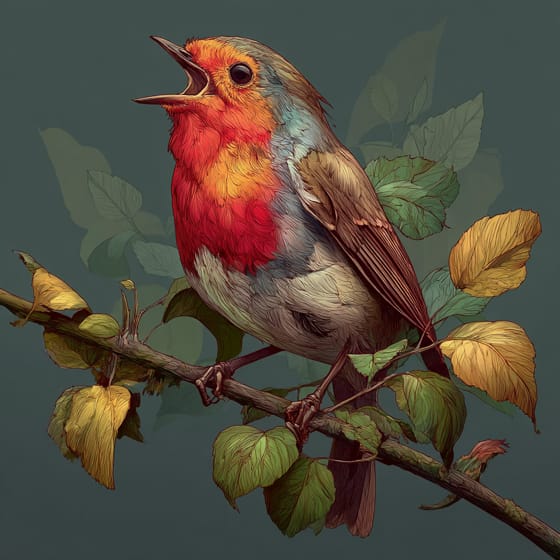
Turdus migratorius
Moths are a common food source for many birds in their habitat.
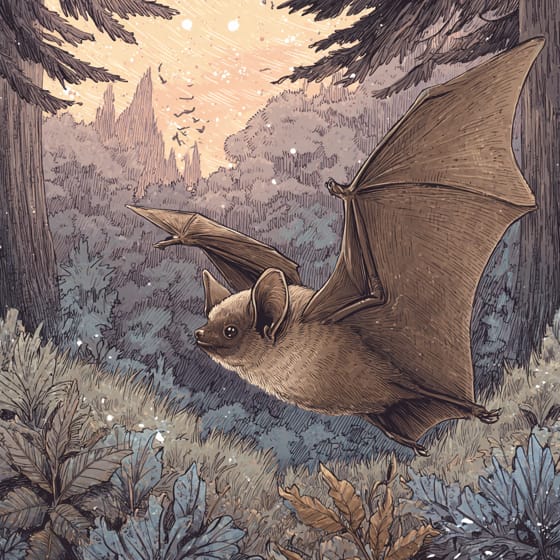
Myotis lucifugus
Bats hunt nocturnal insects like moths using echolocation at night.

Zea mays
Larvae of some pyralid species are known pests of corn plants.
Apis mellifera
Larvae of the Greater Wax Moth consume beeswax and honey in hives.
Daucus carota
Adult moths visit various flowering plants for nectar, aiding in pollination.
Solitary animals live alone for most of their lives, only interacting with others for mating or parental care.
Camouflaged describes organisms that possess coloring or patterns that allow them to blend into their environment.
Colorful describes organisms or objects displaying a wide range of bright and distinct colors.
This trait characterizes organisms whose diet consists entirely or primarily of plant material.

Describes plants that are particularly attractive and beneficial to a wide range of pollinating organisms.

Diurnal animals are primarily active during daylight hours, typically resting or sleeping at night.

This habitat trait indicates species that can coexist with humans in urban and suburban environments, utilizing man-made structures and green spaces.

Describes organisms that transfer pollen, enabling the fertilization and reproduction of plants.
No aliases listed yet.
Danger
1/5 · Very low
Don't touch moths, as they can be delicate and might fly away quickly!
The easiest way to identify Pyralid Snout Moths is to use the Snappit nature identifier app.
15-70 mm
10-30 mm
7-21 days
Baby snout moths feast on plants, seeds, or even stored food, while adults often sip sweet nectar.
Gardens
Foraging
6
Zoom in to split clusters and explore where this object has been snapped.
Recent snaps will appear here as new observations are added.
Take the discovery with you
Snap it with Snappit to identify it, learn what makes it special, and add the discovery to your collection.







.jpg&width=800)



