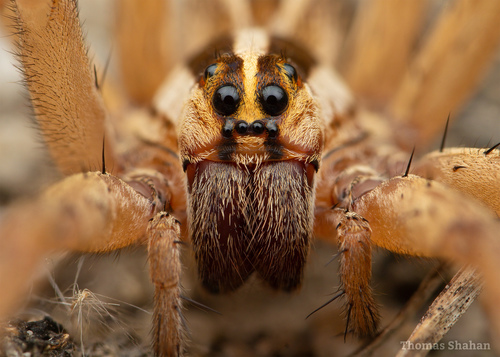


Rabidosa
rabidosa
Rabidosa spiders, commonly known as part of the wolf spider family, are a fascinating and highly beneficial group of arachnids native to North America. Despite their somewhat alarming scientific name—which translates to "rabid"—these spiders do not carry rabies and are completely harmless to humans. They earned this moniker due to their incredibly fast, erratic, and darting movements when hunting or fleeing from danger. As active hunters, they play a crucial role in controlling insect populations in their ecosystems. Unlike many spiders, Rabidosa species do not spin elaborate webs to snare their prey. Instead, they rely on exceptional eyesight, stealth, and bursts of incredible speed to chase down insects on the ground. They are also celebrated for their remarkable maternal instincts, fiercely guarding their offspring from predators and environmental hazards. Observing a mother wolf spider navigating the underbrush with her young is a striking example of invertebrate parenting.
Habitat: Typically found roaming the ground in grassy fields, open deciduous woodlands, scrublands, and suburban lawns, often seeking refuge under leaf litter, rocks, or fallen logs.
Rabidosa spiders are robust and relatively large arachnids, easily recognized by the prominent, high-contrast longitudinal stripes running down their cephalothorax (head region) and abdomen. Typically, these stripes alternate between dark brown and a pale yellow or light tan. Like all wolf spiders, they possess eight eyes arranged in three distinct rows, featuring two large, forward-facing eyes in the middle row that give them excellent vision. Females are generally larger than males and, during breeding season, can often be seen dragging a spherical, grayish silken egg sac attached to their spinnerets or carrying a thick layer of tiny spiderlings clinging to their abdomen.
Category
InvertebrateRarity
Common
Danger
1/5 · Very low
Snaps
2
A female wolf spider is a fiercely dedicated mother; if she loses her egg sac, she will frantically search for it and has even been known to mistakenly carry small pebbles in its place.
Because of their size, you can sometimes hear the rustling of a large Rabidosa spider moving through dry leaf litter before you actually see it.
The name 'Rabidosa' might sound alarming, but these spiders don't carry rabies; they were named for their incredibly rapid, darting movements.
They are true 'wolves' of the spider world; instead of spinning sticky webs to catch food, they actively stalk and chase down their prey on foot.
Their secondary eyes possess a light-reflecting layer called a tapetum lucidum, which dramatically enhances their vision in low light and produces a bright eyeshine when illuminated at night.
After the eggs hatch, the mother carries her spiderlings on her back for several weeks, providing them with protection until they are large enough to fend for themselves.
Their legs are covered in highly sensitive sensory hairs (setae) that allow them to detect the faintest ground vibrations and air currents produced by approaching prey or predators.
They are active, voracious hunters that rely on speed to tackle a wide variety of ground-dwelling insects and smaller arachnids.
Age differences: Spiderlings consume microscopic insects like springtails and fruit flies, progressively taking down larger prey as they molt and grow.
Anoplius aethiops
Parasitoid wasps actively hunt wolf spiders to paralyze them and use them as living food sources for their larvae.
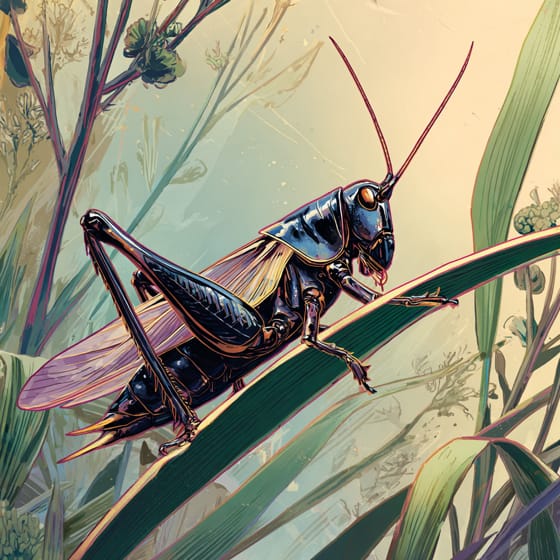
Gryllus pennsylvanicus
Rabidosa spiders help control populations of common ground-dwelling field pests.
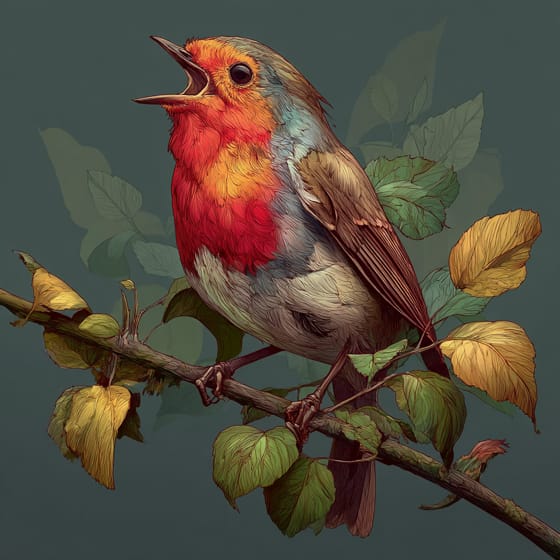
Turdus migratorius
Insectivorous birds readily consume these large spiders when foraging in leaf litter and grass.
No trait badges are assigned for this object yet.
No aliases listed yet.
Collections for this object will appear here as more themes are added.
Danger
1/5 · Very low
No special safety notes yet.
The easiest way to identify Rabidosa is to use the Snappit nature identifier app.
1-3 cm
0.0005-0.002 kg
1-2 years
2 km/h
They are active, voracious hunters that rely on speed to tackle a wide variety of ground-dwelling insects and smaller arachnids.
Typically found roaming the ground in grassy fields, open deciduous woodlands, scrublands, and suburban lawns, often seeking refuge under leaf litter, rocks, or fallen logs.
Pursuit
Zoom in to split clusters and explore where this object has been snapped.
Take the discovery with you
Snap it with Snappit to identify it, learn what makes it special, and add the discovery to your collection.